
Last updated November 4, 2026
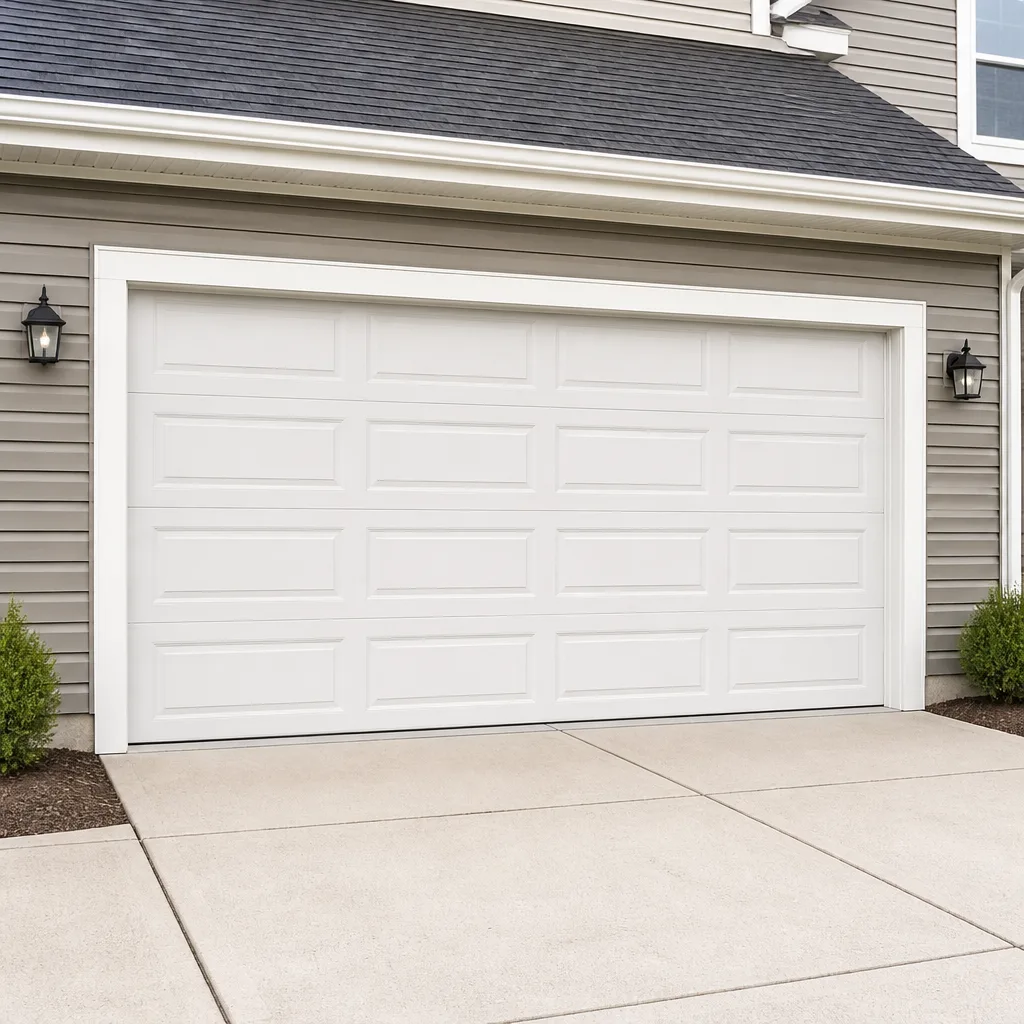 Raised-panel steel
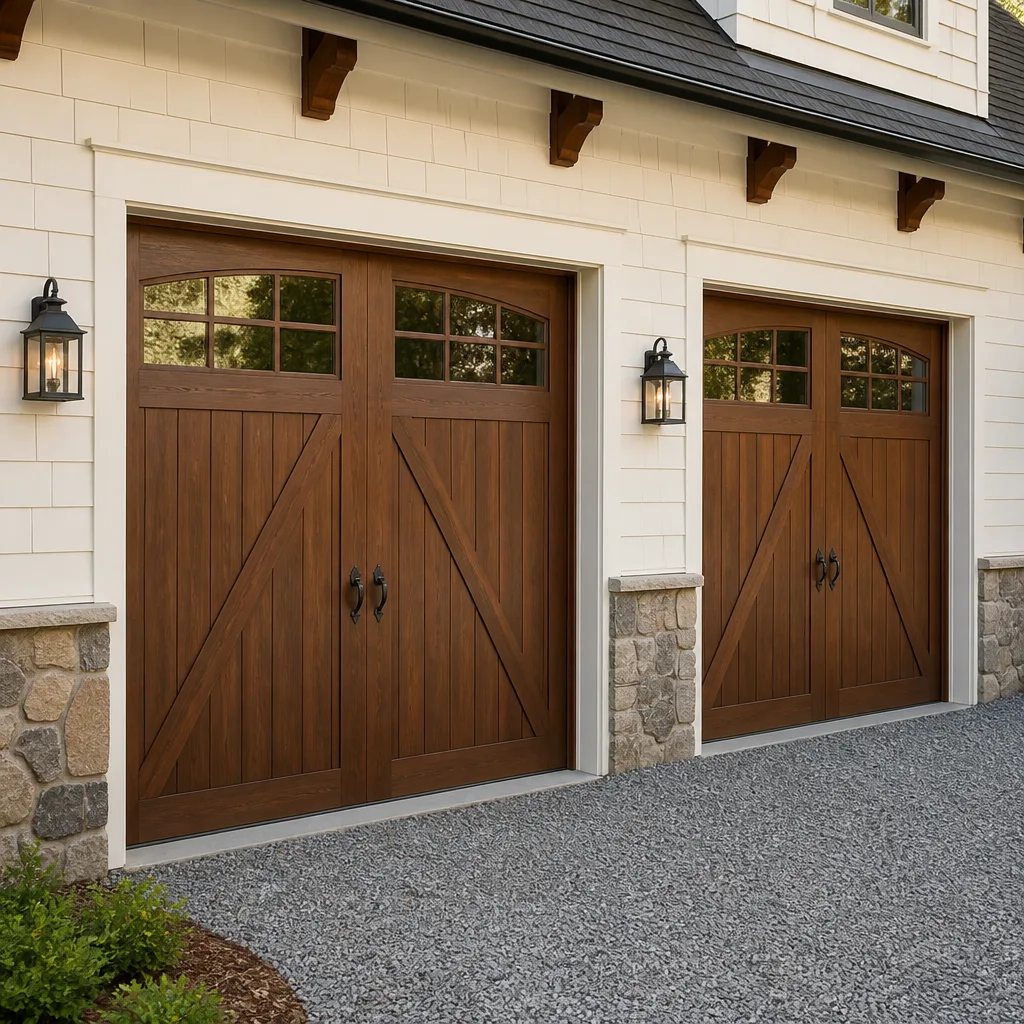 Carriage house
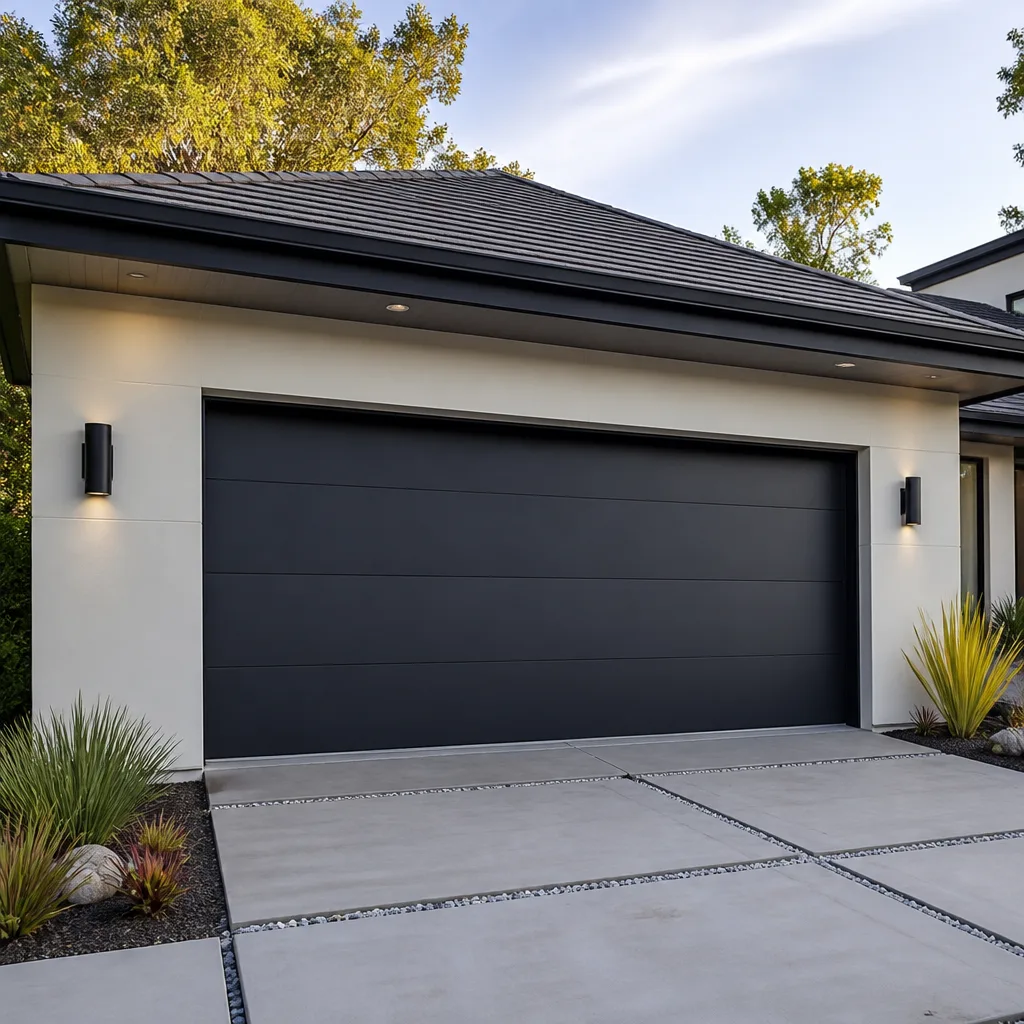 Modern flush
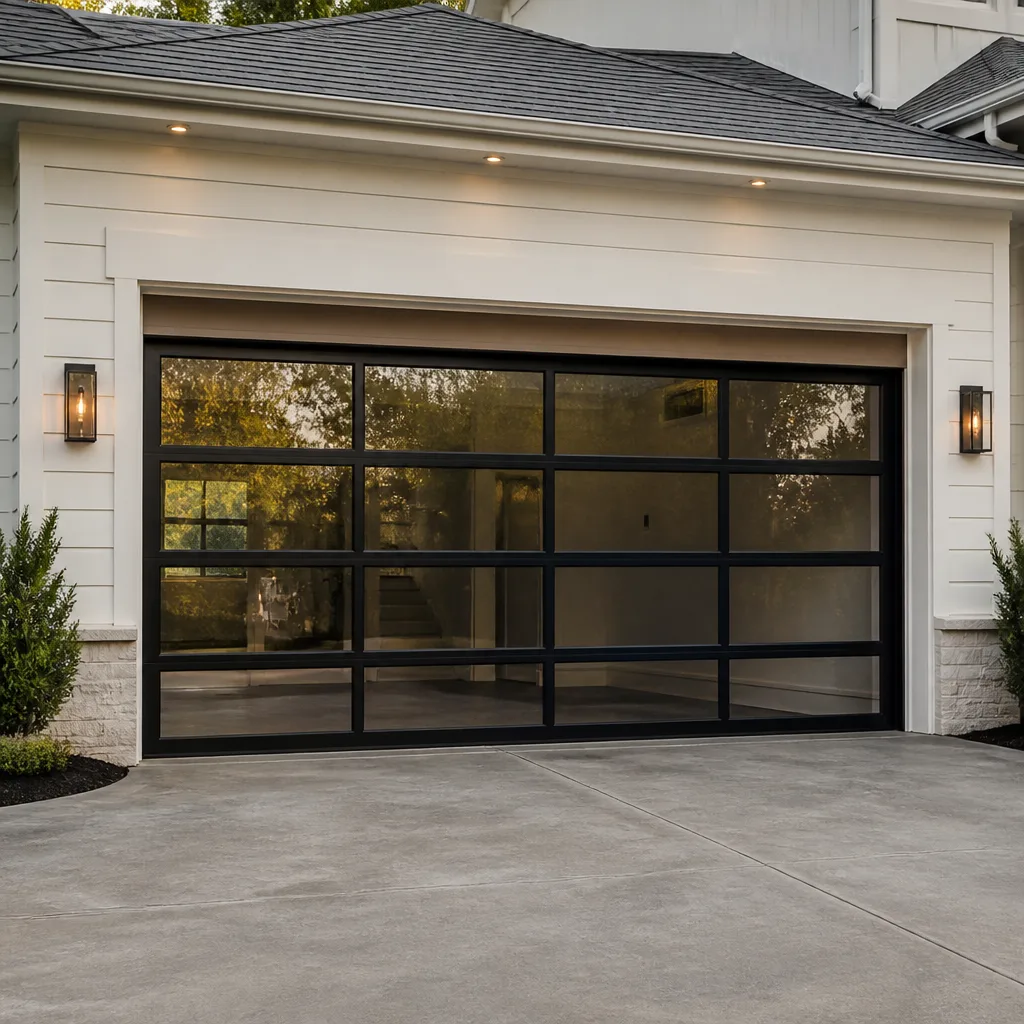 Full-view glass
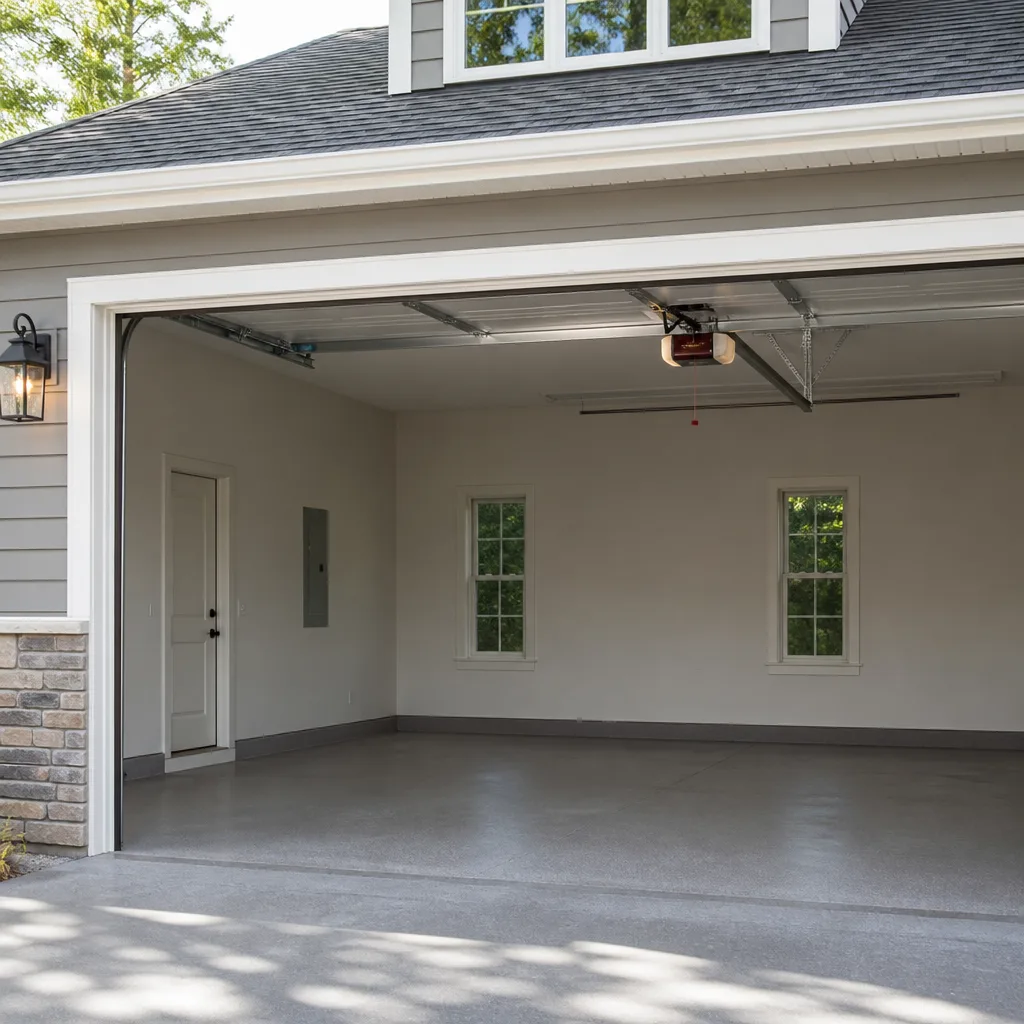 LiftMaster openers
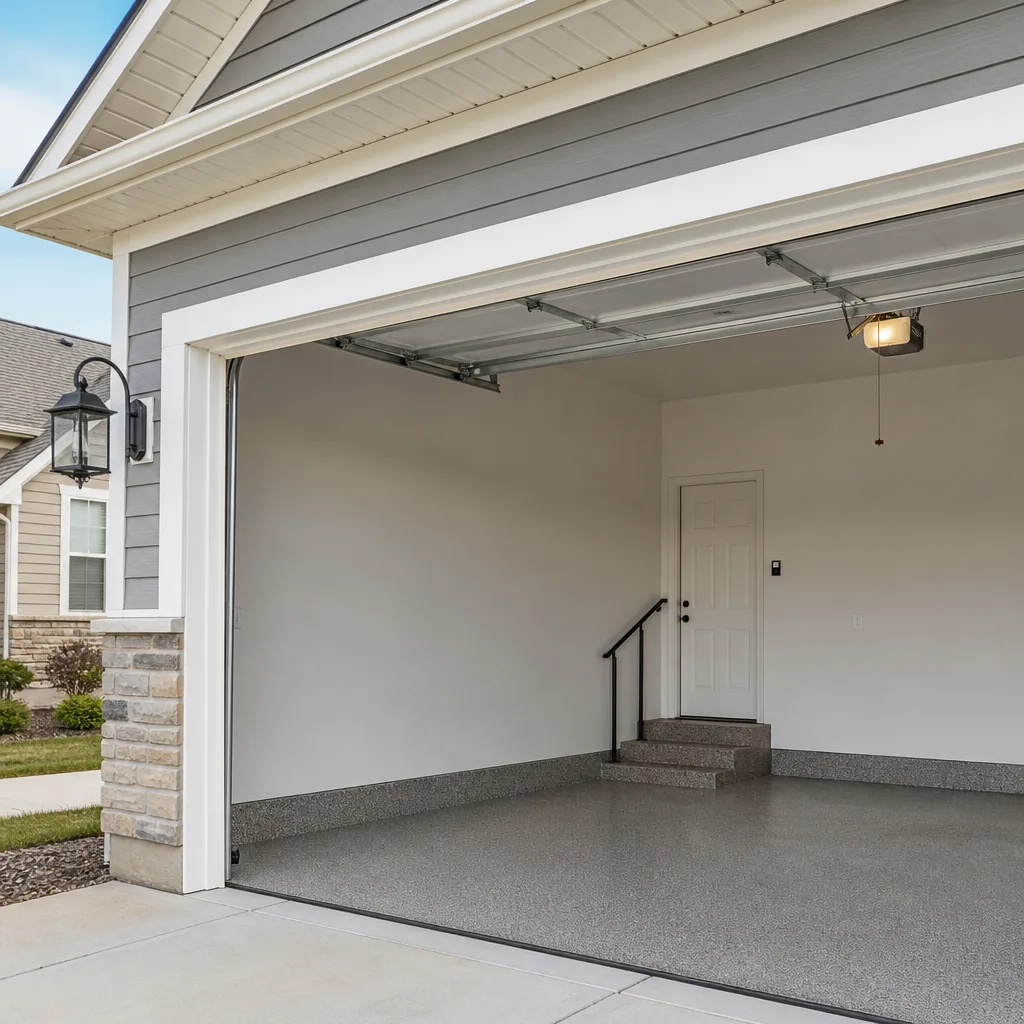 Chamberlain openers
Full 25-point door and opener safety check with every visit - springs, cables, rollers, tracks, and your LiftMaster or Chamberlain opener included
You get a price before we start. It does not change when the truck arrives.
Get your free estimateGarage Door Emergency Preparedness Guide for Bellflower Homes
Most Bellflower homeowners think about garage door emergencies the wrong way. They picture a snapped spring or a burned-out opener motor, but the more likely scenario happens when the power goes out or the ground shakes. Southern California grid strain and seismic activity affect this area directly, and when they hit, the garage door becomes the largest moving object in your home, the heaviest barrier between you and your vehicle, and often the only door wide enough to get a car out. A door that worked perfectly at noon can become a locked vault at 9 p.m. if you don’t know how to operate it manually. This guide walks through exactly what to do before, during, and after a garage door emergency, with a focus on the door types and opener systems most common in Bellflower homes.
Quick Answer
Garage door emergency preparedness for Bellflower homes means knowing how to operate your door manually during a power outage, inspecting it properly after seismic activity, and keeping a few low-cost tools on hand so you can secure the door without a technician. Most homeowners never learn the manual release cord on their opener until the power is already out, which turns a manageable situation into a locked-in or locked-out problem. Learning the release procedure for your specific opener type and knowing what to check after an earthquake takes about ten minutes and requires no special tools.
Styles & brands we work with
- Raised-panel steel
- Carriage house
- Modern flush
- Full-view glass
- LiftMaster openers
- Chamberlain openers
Table of Contents
- Manual Release Basics: What That Red Cord Actually Does
- How to Operate the Manual Release on Four Common Opener Types
- Post-Earthquake Inspection: What to Check Before Operating the Door
- How to Secure a Manually Opened Door So It Stays Up
- What to Do When the Door Won’t Re-engage With the Opener
- The Four-Item Garage Emergency Kit
- Common Mistakes to Avoid
- When to Call a Professional
Manual Release Basics: What That Red Cord Actually Does
Every automatic garage door opener has a manual release mechanism, and in Bellflower homes it’s almost always a red cord hanging from a trolley or carriage assembly on the opener rail. When you pull that cord, it disconnects the door from the drive system, whether that’s a belt, chain, or screw drive. The door then moves freely on its tracks, and you can lift it by hand.
What surprises most homeowners is the weight. A standard 16-foot-wide steel door can weigh 150 to 200 pounds, and if a spring is broken, that weight lands entirely on you. The manual release doesn’t make the door lighter. It just unhooks it from the motor. If the door has two torsion springs above the opening and both are intact, lifting manually should take moderate effort but feel balanced. If one spring is broken, the door will be lopsided and far heavier on one side. If both are broken, you probably won’t lift it at all, and trying can cause injury. These springs are under extreme tension and are the most dangerous component of the entire system. Never attempt to adjust, replace, or even inspect them closely yourself. A trained garage door repair technician has the tools and training to handle spring work safely.
The red cord itself hangs from a small release handle, usually a plastic T-shape or a flat tab. It’s located on the opener rail, typically about two to three feet back from the door when the door is closed. In Bellflower’s attached-garage homes, where the opener rail runs close to the ceiling, the cord sometimes gets tucked behind holiday decorations or storage bins. Know where it is before you need it.
How to Operate the Manual Release on Four Common Opener Types
Bellflower’s housing stock spans several decades, which means we see a mix of opener generations and brands in the field. The manual release works the same way across most brands, but cord placement and re-engagement behavior differ enough that knowing your type matters.
- Belt-drive openers (Chamberlain, LiftMaster, Genie models): The release cord hangs from a carriage that rides on a reinforced rubber belt. Pull the cord down and toward the door. You’ll hear a distinct click and the carriage will separate from the belt. The door should now move by hand. Belt drives are the quietest openers on the market and common in newer Bellflower homes and townhome communities.
- Chain-drive openers: The release cord hangs from a metal trolley on a chain rail. Pull straight down firmly. Chain drives have more play in the mechanism, so the disconnect may feel less crisp than a belt drive. Lift the door a few inches by hand to confirm it’s free before attempting to raise it fully.
- Screw-drive openers (Genie models especially): The release is on a carriage that threads along a steel screw. Pull the cord down and toward the motor. Re-engagement on screw drives can require the carriage to be in the right position along the rail, which is a common pain point we’ll address later.
- Jackshaft or wall-mount openers: These mount on the wall beside the door, not on the ceiling, and are increasingly common in Bellflower garages with high ceilings or storage lifts. The release is usually a pull cord on the opener body itself or a separate handle mounted on the wall. Pulling it disengages the coupler between the opener and the torsion bar. The door will then operate manually but may not have an external lock, so secure it as described below.
We work on all these systems regularly, including units from Genie, Clopay, Amarr, and Wayne Dalton. The brand matters less for the manual release than the drive type, but knowing both helps when you call for garage door opener repair.
Post-Earthquake Inspection: What to Check Before Operating the Door
Bellflower sits in a seismically active region, and after any noticeable ground movement, your garage door deserves a quick inspection before you press the opener button or pull the release cord. We’ve responded to enough post-shake calls to know that most doors still work, but a few develop problems that can get worse if ignored.
- Track alignment: Stand inside the garage and sight down each vertical and horizontal track. Ground movement can shift brackets enough to bow the track inward or outward by as little as a quarter inch. That’s enough to make a door bind mid-travel or come off its rollers entirely. The tracks should be parallel and evenly spaced along their full length.
- Spring anchor points: Look at the center bracket above the door where the torsion springs meet. Check that the bracket is still flush against the header and that the bolts haven’t pulled away from the wood or metal framing. Even slight movement at the anchor point changes spring tension, and a door with unbalanced tension will feel heavy on one side and may reverse unexpectedly.
- Wall bracket fasteners: The opener rail mounts to the wall above the door with a bracket and lag bolts. After shaking, check that the bracket hasn’t separated from the wall. A loose opener rail can drop suddenly and cause damage or injury.
- Roller seating: Look at each roller where it sits in the track. If any roller has popped out of the track or sits at an angle, don’t operate the door until the track is straightened or the roller reseated.
- Balance test: With the door disconnected from the opener, lift it halfway by hand and let go. A properly balanced door stays in place. If it drops or shoots up, spring tension has changed. Call a professional before using the door. Springs fail catastrophically, and they don’t give much warning.
If anything looks off after this inspection, treating the door as out of service until a technician looks at it is the safe call. A door that binds on the way down can derail, and a derailed door is heavy and unpredictable.
How to Secure a Manually Opened Door So It Stays Up
Once you’ve pulled the manual release and raised the door by hand, you have a new problem: the door wants to stay where you put it, but only if the springs are healthy. A balanced door will generally hold its position, but a gust of wind, a bump from a car, or slight spring fatigue can send it sliding down, and that’s dangerous for anyone standing beneath it. Here are the two methods that work best in Bellflower garages.
Method one: C-clamps on the track. Place a C-clamp on each vertical track, just below a roller, on both sides of the door. The clamp blocks the roller from moving past it, which physically prevents the door from descending. Use clamps with a throat deep enough to grip the track fully. This is the method we recommend most because it’s simple, secure, and leaves no permanent changes. Keep two C-clamps in your garage emergency kit specifically for this.
Method two: the locking bar or padlock method. Most garage door tracks have a series of holes punched along one side, and you can slide a padlock shackle or a steel locking bar through the track at a height just below a roller. The roller can’t get past it, which locks the door open. If your tracks don’t have holes, the C-clamp method is the better option. Some older Bellflower homes have doors with a built-in slide lock on the door itself, which engages a catch on the track. Those work too, but they lock the door closed or partially open, not fully open.
Never rely on a broomstick, shovel handle, or scrap lumber wedged against the track. Those slip. The door falls anyway. C-clamps and padlocks don’t slip.
What to Do When the Door Won’t Re-engage With the Opener
This is the most frustrated phone call we take: the power is back, the door works manually, but the opener carriage won’t reconnect. The homeowner pulls the release cord again, runs the opener, and the carriage sails up and down the rail without ever picking up the door. Here’s what’s happening and how to fix it.
On most openers, the carriage only re-engages when it passes through the release position while the door is in a specific spot relative to the carriage. The most common mistake is running the opener with the door at the wrong height. The carriage zips past the release catch, and because the door’s position doesn’t match the carriage’s position, they don’t lock together.
The fix, on most belt- and chain-drive systems, is to first align the door with the carriage. Raise or lower the door by hand until the carriage sits roughly over the release handle hanging from the rail. Then run the opener. As the carriage moves, it passes over the release mechanism and clicks back into place. You may need to pull the release cord once more while the carriage is in that position to reset the catch. On screw-drive setups, the same general process applies, but the carriage sometimes needs to be nudged along the screw by hand with the door disconnected.
If it still won’t reconnect, the release catch may be worn or the carriage position sensor may be off. That’s a repair call, and it’s exactly the kind of issue our technicians diagnose and fix in one visit. Genie, LiftMaster, Chamberlain, and Craftsman systems all have slightly different re-engagement behavior, and arriving with brand-specific knowledge means no guesswork and no wasted trips.
The Four-Item Garage Emergency Kit
Most garage door emergencies in Bellflower don’t require a technician the moment they happen. They require a few common items that let you secure the door, see what you’re doing, and keep the opener responsive long enough to schedule service on a normal day. Keep these four things in a labeled bin on a shelf near the garage door.
- Two C-clamps: These secure the door open after you’ve used the manual release. Get ones with at least a two-inch throat opening so they fit over the track lip. They cost a few dollars at any hardware store in Bellflower or nearby.
- A padlock with a short shackle: Fits through the track holes to lock the door open or, on some doors, to lock it closed from the inside. A keyed padlock means you can still open it from outside if you leave through a side door.
- A flashlight or headlamp: When the power is out and the garage has no windows, you’re working in the dark. A headlamp keeps both hands free for operating the door and placing clamps.
- A spare remote battery: The most common non-emergency call we get is a remote that stopped working, and nine times out of ten it’s a dead battery. Keeping a spare CR2032 or whatever your remote takes means you’re never trapped outside because a coin cell died.
These four items cost under $40 combined and cover the majority of overnight garage door frustrations. They don’t replace professional service, but they buy you time and safety until a technician arrives.
Common Mistakes to Avoid
- Pulling the release cord while the door is open and unsupported. If a spring is weak or broken, the door drops fast once it’s disconnected from the opener. Pull the release only when the door is closed, unless you’re certain the springs are healthy.
- Assuming the red cord is a light switch pull. We’ve lost count of how many Bellflower homeowners yank the red cord thinking it controls a light or a storage lift. It doesn’t. It disconnects the door from the opener, and then the door won’t respond to the remote or wall button until it’s re-engaged. If you’ve pulled it accidentally, the re-engagement steps above will get you back to normal.
- Running the opener with the door disconnected and walking away. The carriage travels the full rail and stops. Then the door is still open, unsecured, and the opener thinks it’s closed. This is how doors get left open overnight in Bellflower neighborhoods, and it’s an invitation to anyone walking by.
- Lifting a door with a visibly broken spring. A door with one broken torsion spring weighs twice as much on one side. Lifting it by hand can cause a wrist, shoulder, or back injury. The spring itself is under enough tension to cause serious harm if it lets go. This is not a DIY fix, and no amount of YouTube confidence changes that.
- Using the door during a power outage without securing it. A manually opened door on tired springs can drift down on its own. Someone walking under it or a child playing near it can get hurt. Use the C-clamps every single time.
- Ignoring a post-earthquake inspection because the door “sounds fine.” Ground movement doesn’t always make itself obvious. A track that’s a quarter inch out of alignment will get worse with every cycle, and one day the door comes off its rollers mid-cycle. Ten minutes of inspection after a shake prevents that.
When to Call a Professional
Some garage door problems are DIY-solvable with a C-clamp and a flashlight. Others aren’t, and recognizing the difference matters. Call a technician when a spring is broken, when the door comes off its tracks, when the opener carriage refuses to re-engage after you’ve tried the alignment method, when the door is visibly sagging or binding, or when the post-earthquake inspection reveals moved brackets or loose lag bolts. These are mechanical failures that get worse with use, and they involve components under extreme tension.
Colonial Garage Door Repair offers free estimates in Bellflower for garage door and opener issues. Call (833) 598-2561. We answer 24/7. Fast dispatch from 7am to 7pm, Sunday through Friday.
See the difference
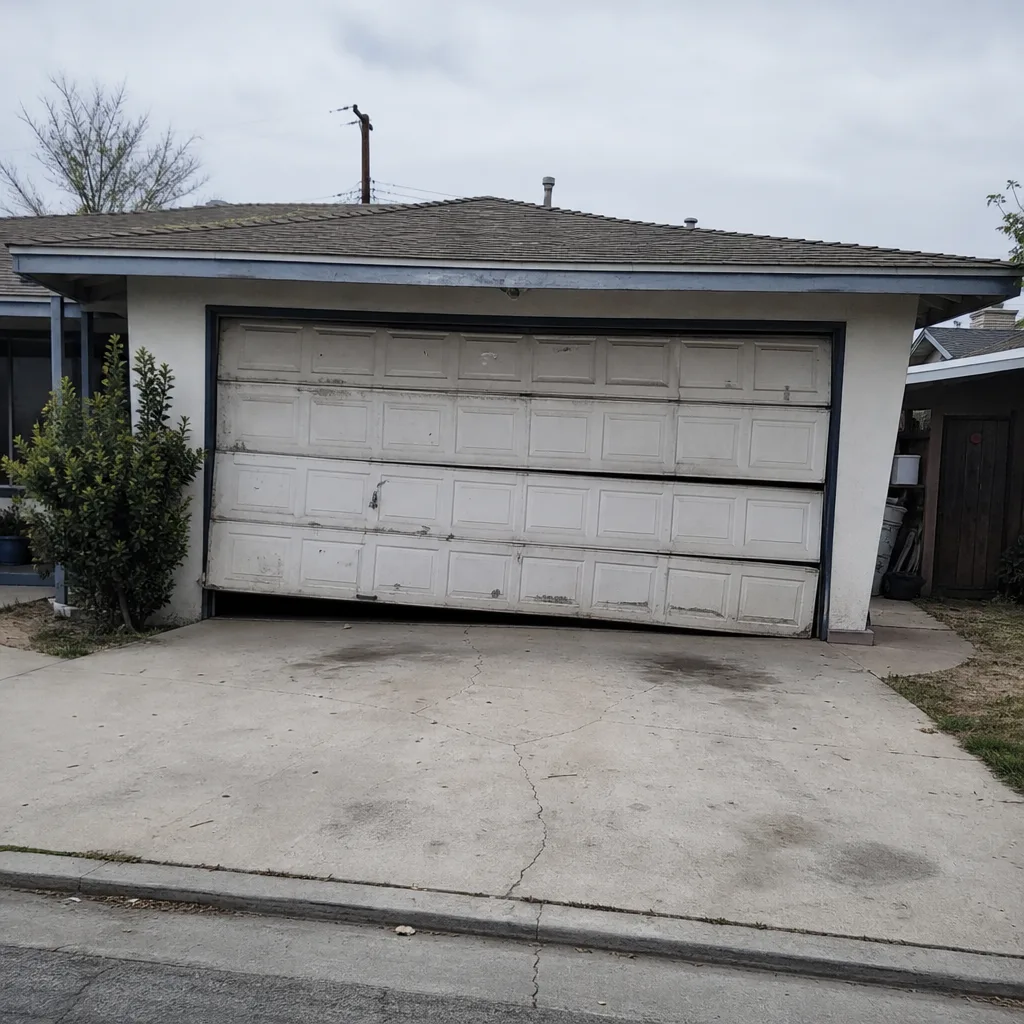 Before
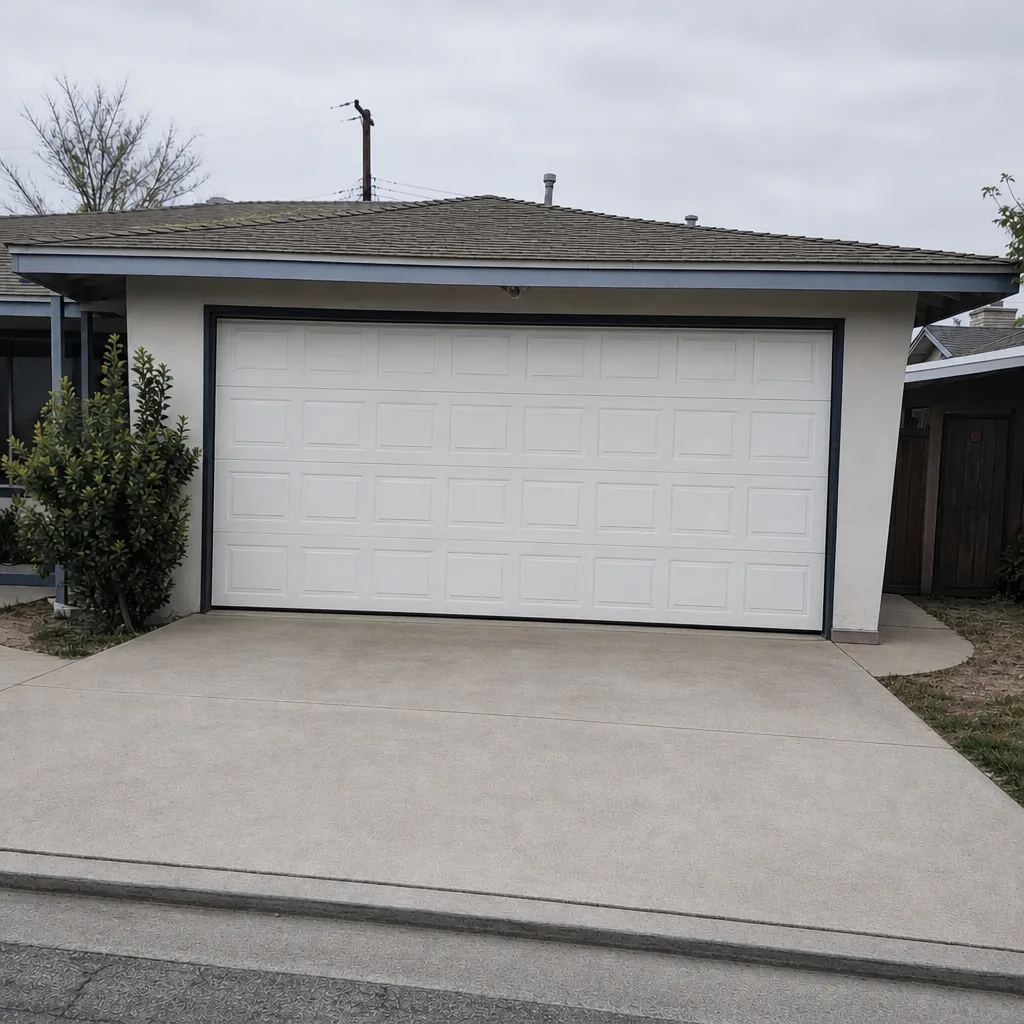 After
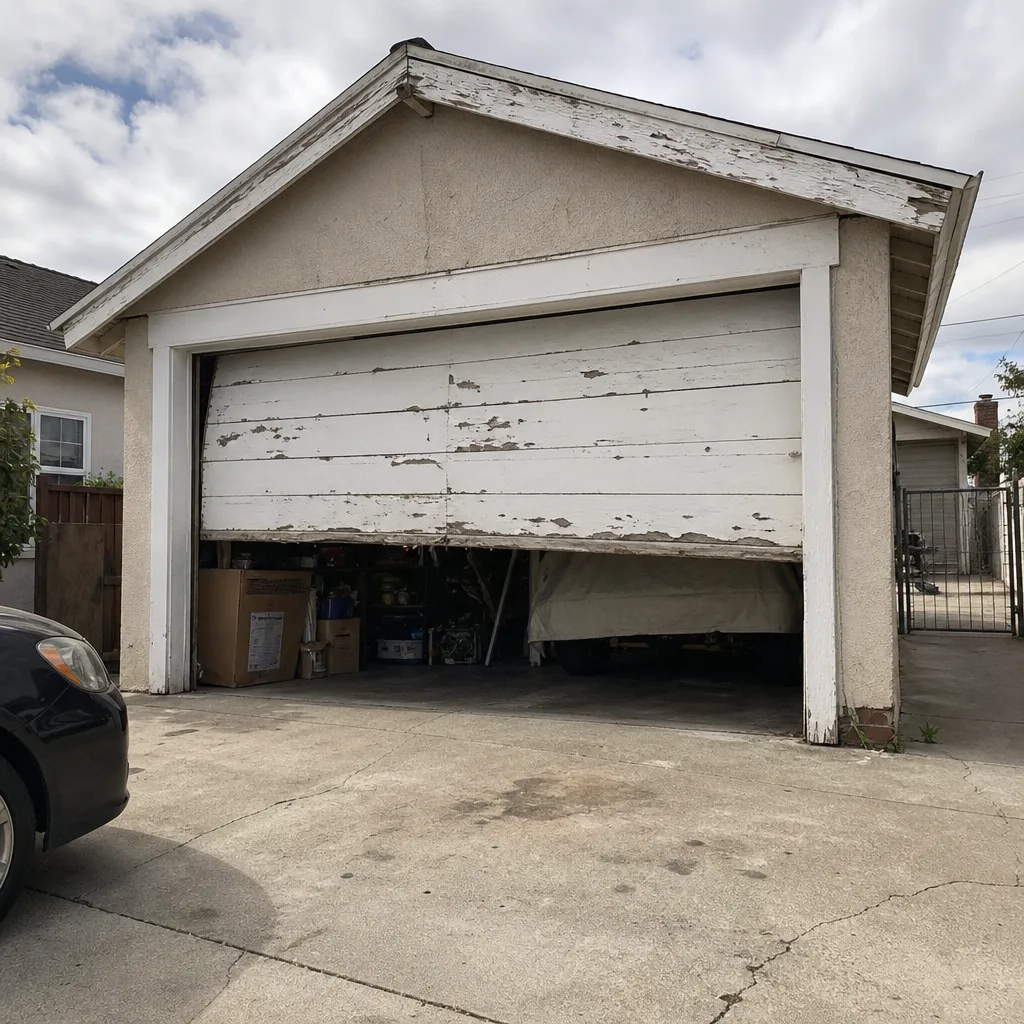 Before
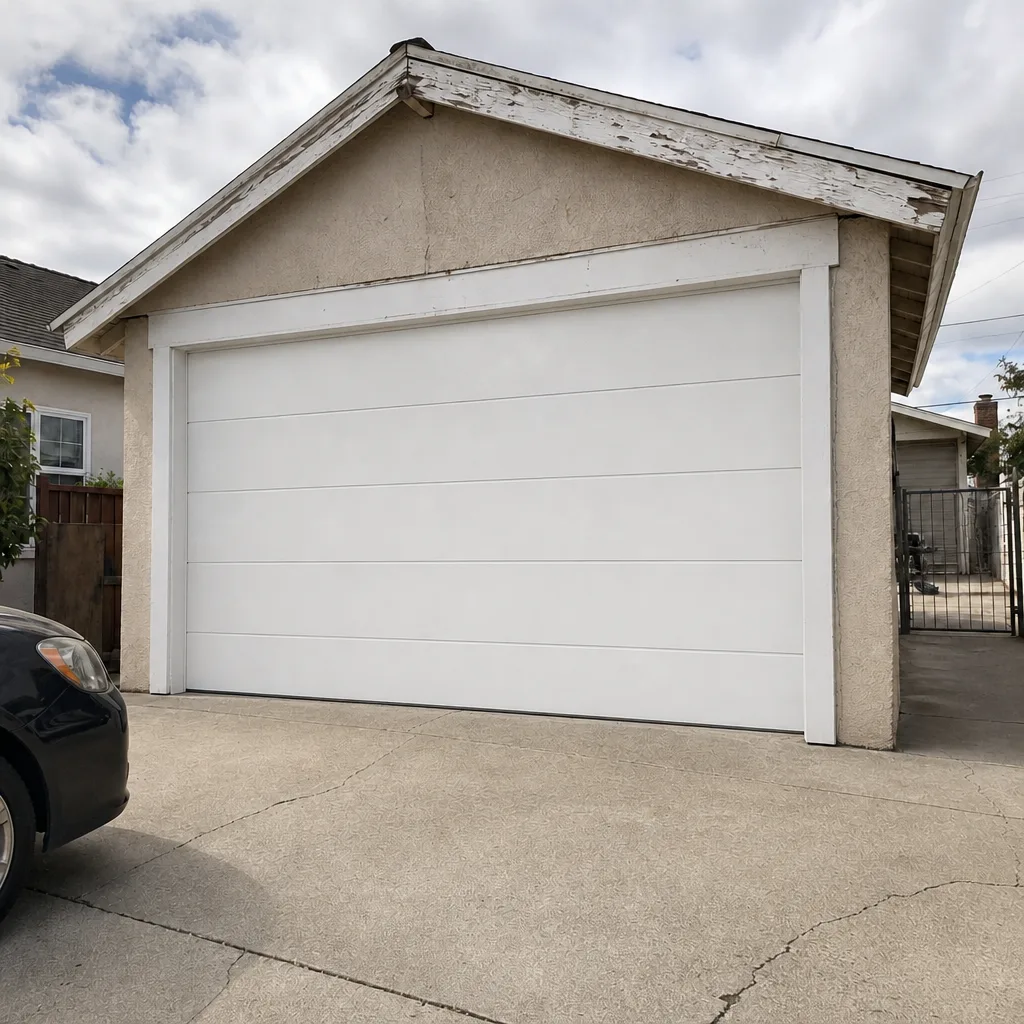 After
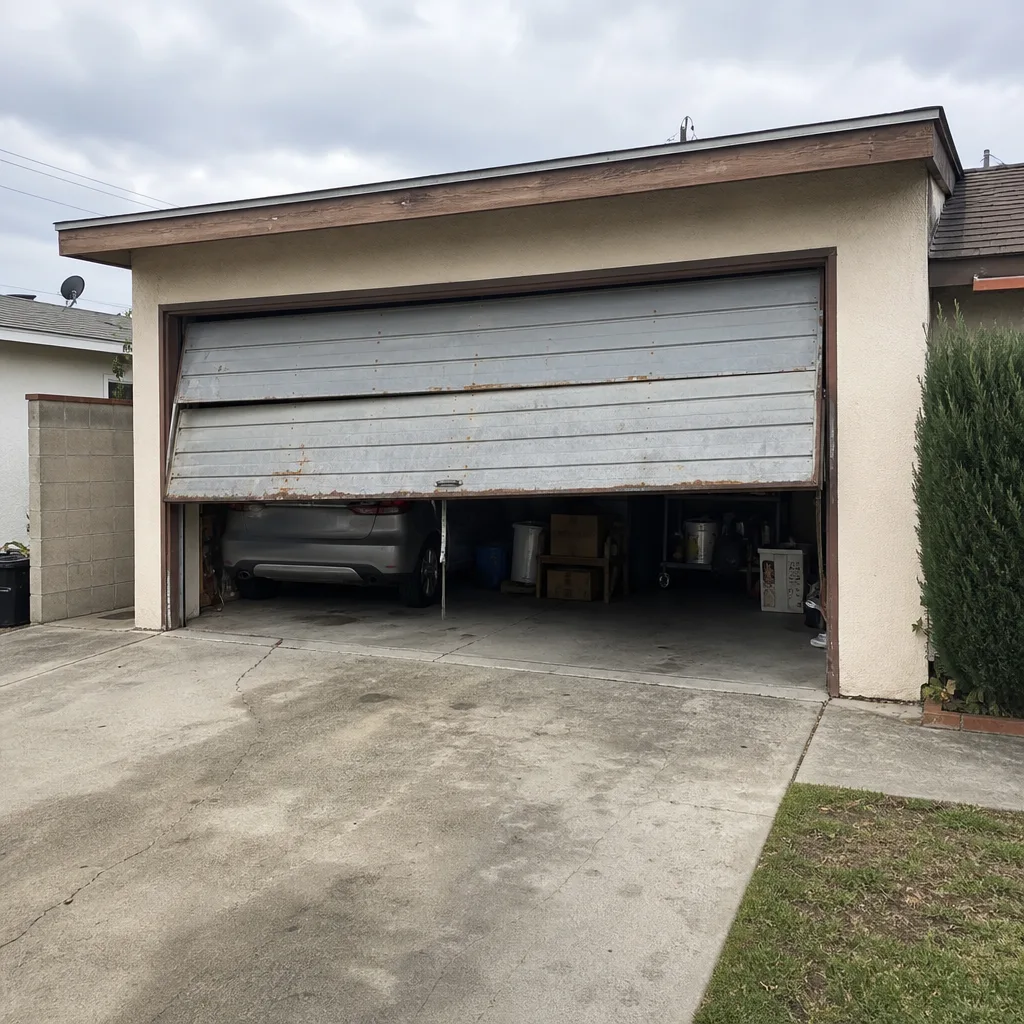 Before
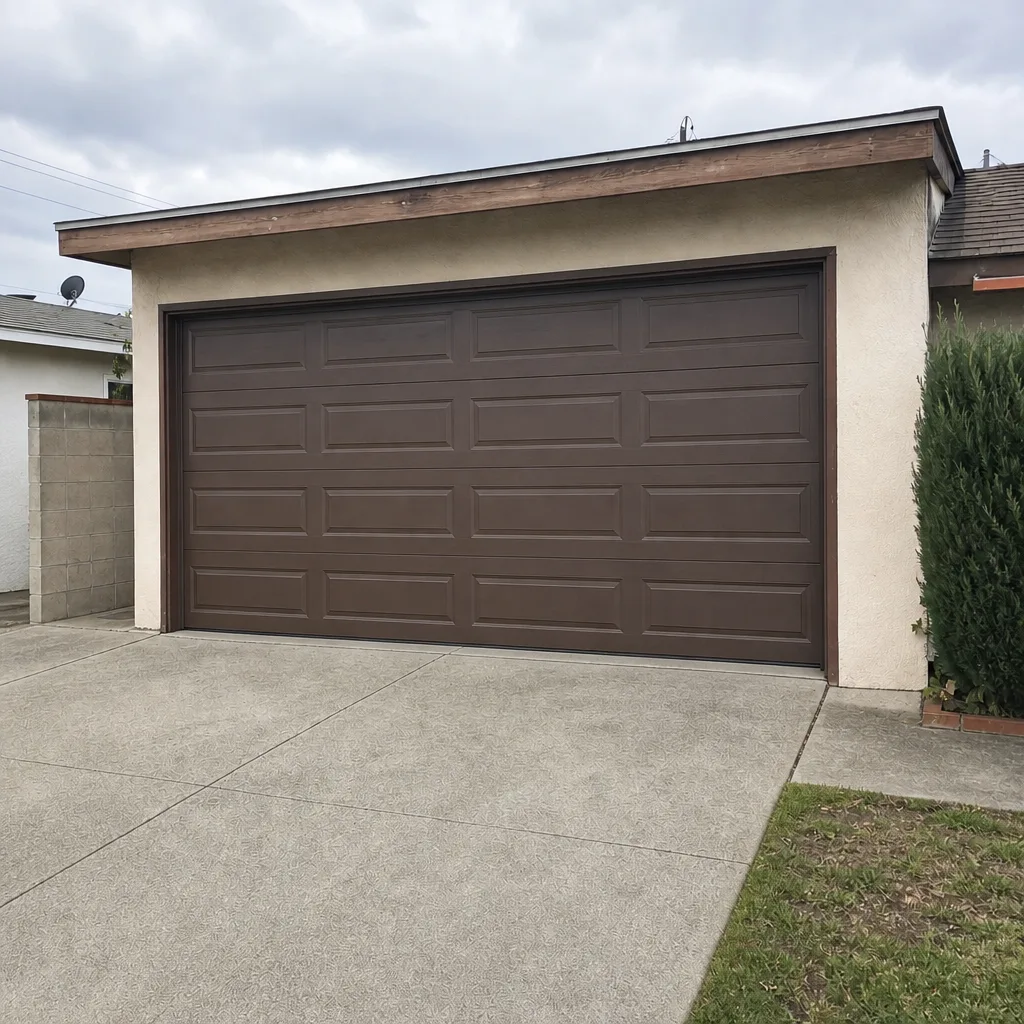 After
Frequently Asked Questions
Pull the red release cord hanging from the opener rail to disconnect the door from the drive system, then lift the door by hand using the handle or the bottom edge. Make sure the door is closed before pulling the release, and secure it open with C-clamps on the tracks once it’s raised. If the springs are healthy, the door should lift with moderate effort. Call (833) 598-2561 if the door feels too heavy or won’t stay up.
Check track alignment, spring anchor bolts, wall bracket fasteners, and roller seating before operating the door. If anything looks shifted or loose, leave the door closed and call for service rather than forcing it. A post-earthquake inspection takes about ten minutes and can prevent a derailed door later.
Emergency garage door repair in Bellflower is priced per job by written estimate, and it depends on what failed. A broken spring typically costs more than a re-engagement issue, and a full opener replacement costs more than either. The estimate is free, and the price is agreed before any work starts. Call (833) 598-2561 for an exact quote.
Yes. Call (833) 598-2561. We answer 24/7. Fast dispatch from 7am to 7pm, Sunday through Friday. A call outside dispatch hours is booked into the next opening.
The opener carriage and the door are out of alignment, which means the carriage can’t catch the release mechanism. Align the door with the carriage by hand, then run the opener briefly so the carriage passes over the release point. If it still won’t engage, the release catch may be worn and a technician will need to look at it.
Yes. We’re factory-familiar with Clopay, Amarr, Wayne Dalton, and other major brands, and we service both the door and the opener system in one visit. Your door. Your opener. One call.
The Bottom Line
The garage door is the only moving wall in your Bellflower home, and the time to learn its manual operation isn’t during a blackout or after an earthquake. Find your release cord today. Know your opener type. Keep two C-clamps, a padlock, a flashlight, and a spare remote battery on a shelf near the door. After any ground movement, run the five-point inspection before you touch the opener button. And if something’s broken, call (833) 598-2561. We answer 24/7. Fast dispatch from 7am to 7pm, Sunday through Friday. The estimate is free, and the price is agreed before any work starts.
Written by the team at Colonial Garage Door Repair, serving Bellflower since 2013.