
Last updated November 4, 2026
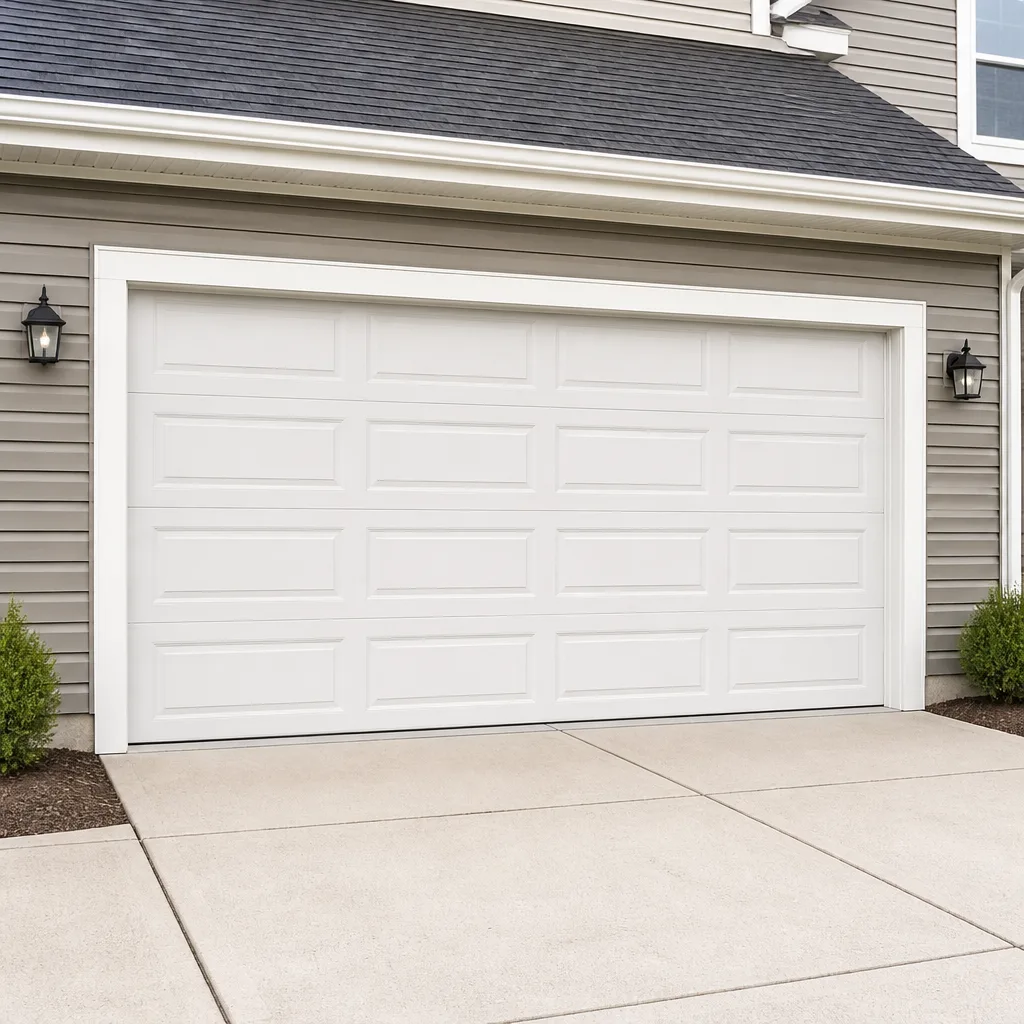 Raised-panel steel
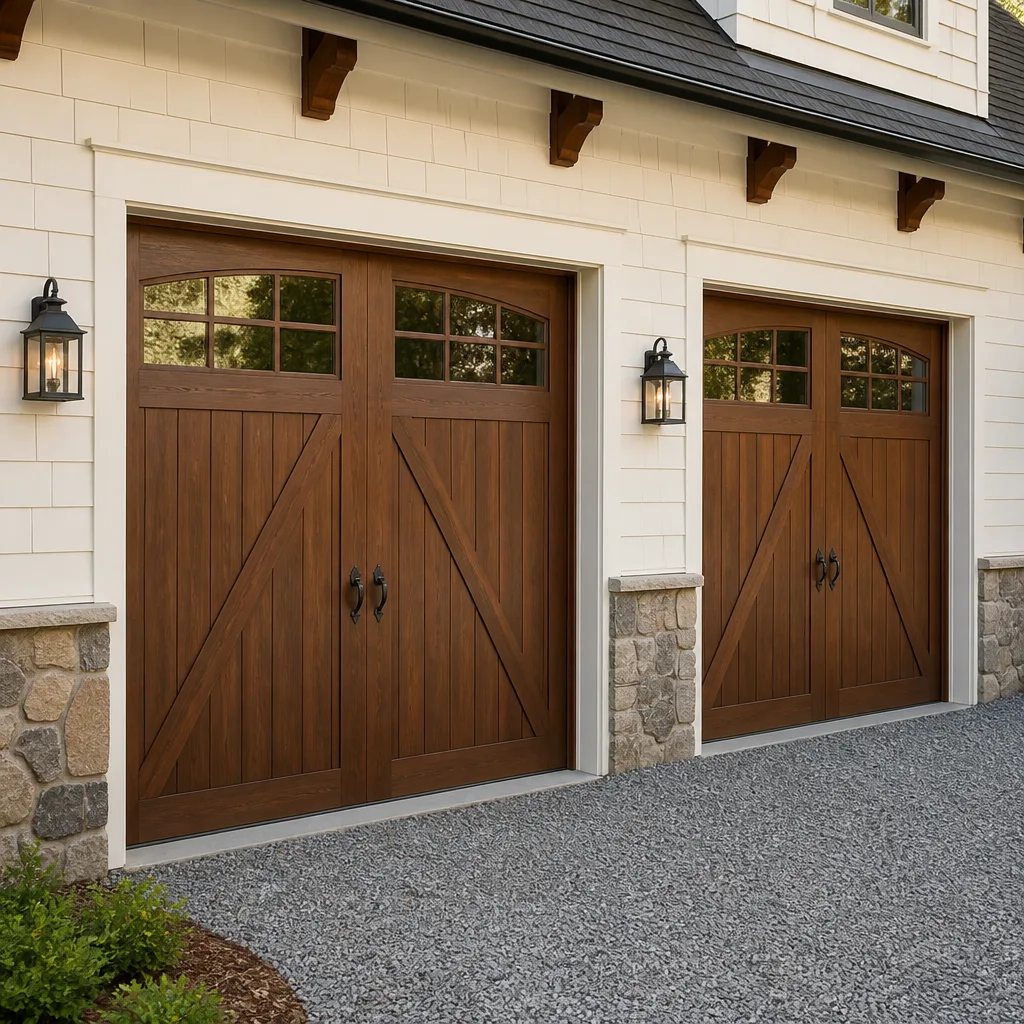 Carriage house
 Modern flush
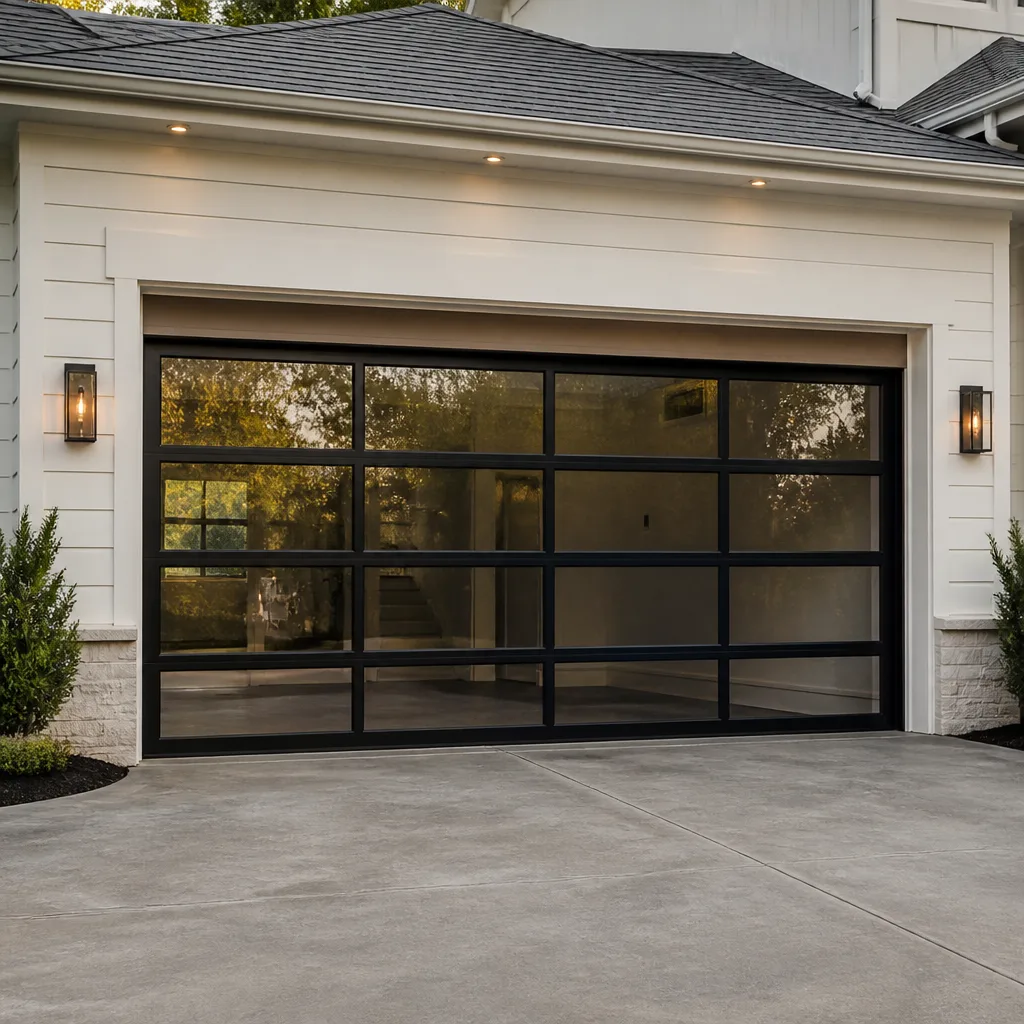 Full-view glass
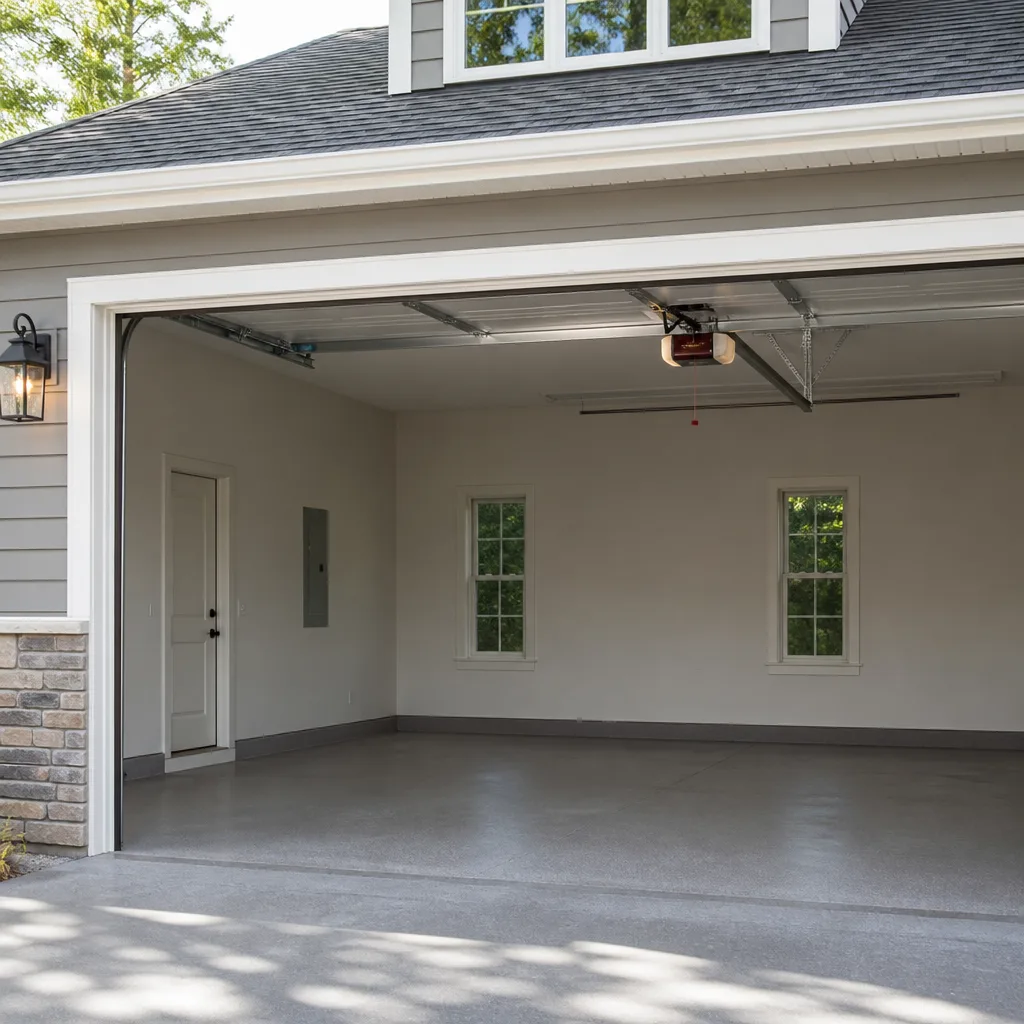 LiftMaster openers
 Chamberlain openers
Full 25-point door and opener safety check with every visit - springs, cables, rollers, tracks, and your LiftMaster or Chamberlain opener included
You get a price before we start. It does not change when the truck arrives.
Get your free estimateGarage Door Permits, Codes & Inspections in Bellflower, CA: What You Need to Know
Most Bellflower homeowners assume a garage door swap is purely cosmetic, like changing a faucet. That assumption can quietly become a title problem. California law requires sellers to disclose unpermitted work, and a full door-and-frame replacement usually crosses the line from “repair” into “construction.” This guide walks you through exactly when a permit is required in Bellflower, what California’s energy and fire codes demand of a garage door, how inspectors look at the work, and how to check a property’s permit history before you buy. If you leave with one rule, make it this: door panels alone rarely need a permit; touching the frame, the fire wall, or the wiring changes things fast.
Styles & brands we work with
- Raised-panel steel
- Carriage house
- Modern flush
- Full-view glass
- LiftMaster openers
- Chamberlain openers
Quick Answer
In Bellflower, replacing only the garage door panels and hardware typically does not require a permit, but cutting or modifying the frame, altering the fire-rated wall between an attached garage and living space, or adding a new electrical circuit for an opener usually does. California’s Title 24 energy code can also require documentation when a door is replaced in a conditioned space. Always confirm with the Bellflower building department before starting work, and if you’re buying a home, pull the permit history to catch unpermitted garage work before closing.
Table of Contents
- When Does a Garage Door Permit Become Required in Bellflower?
- Door-Only Swaps vs. Frame Modification: Where the Line Is
- California Title 24 and Garage Door Insulation Requirements
- Fire-Rated Wall Rules for Attached Garages in Bellflower
- Garage Door Opener Electrical Work and Code Requirements
- How to Check Bellflower Permit History Before Buying a Home
- What the Inspection Process Looks Like for a Permitted Garage Door Job
- Common Mistakes to Avoid
- When to Call a Professional
- Frequently Asked Questions
- The Bottom Line
When Does a Garage Door Permit Become Required in Bellflower?
Bellflower enforces the California Residential Code, which treats a garage door as part of the building envelope. The building department draws the permit line based on what you’re actually changing. A simple answer: if the work is a like-for-like replacement confined to the moving parts, no permit. If the work changes the structure, the opening, the fire separation, or the electrical system, a permit is expected.
Here is the practical breakdown we see in Bellflower homes:
- Panel replacement only: Removing the existing door panels and installing new ones of the same size without touching the jambs, header, or framing. No permit.
- Hardware replacement: Track, rollers, springs, hinges, cables. No permit. This is repair and maintenance.
- Frame or jamb modification: Cutting, notching, or replacing the wood or metal frame around the door opening. Permit required in most cases.
- Enlarging the opening: Widening or raising the garage door opening. Permit required, plus structural review because the header takes load.
- Attached garage fire wall changes: Any alteration to the wall or ceiling separating the garage from living space triggers fire code requirements. Permit required.
- New electrical circuit for an opener: If the opener needs a new dedicated circuit or the wiring is being moved or replaced. Permit required.
The Bellflower building department can confirm whether your specific job needs a permit. A quick phone call with the project description usually settles it. Better to ask before work than to explain after.
Door-Only Swaps vs. Frame Modification: Where the Line Is
The single most common point of confusion is the difference between swapping the door and touching the frame. We’ve seen Bellflower homeowners confidently order a whole new garage door repair project, only to learn midway that the original frame was rotted or out of square. That discovery changes the job from a simple swap into permitted work.
A door-only swap means the new door fits into the existing opening using the same mounting points. The old track comes down, new track goes up in the same place, and the panels hang correctly. Nothing structural changes. In that situation, selling the old door on a classified ad and bolting in the new one is generally acceptable without a permit.
But in Bellflower, many homes are older and the original garage door frames are wood. Over time, termite damage, soil movement, and moisture find their way in. When the wood jamb is soft or the sill is no longer level, a proper installation means removing and replacing framing members. That is structural work. The city wants a permit because the header above the door carries load, and a poorly rebuilt opening can sag, bind, or fail.
Here is the practical rule: if the installer is removing old lumber or cutting into the house to make the new door fit, assume a permit applies. If the new door drops into an untouched opening, assume no permit. And if you’re not sure, ask the Bellflower building department in writing so you have a record.
California Title 24 and Garage Door Insulation Requirements
California’s Title 24 energy code applies to garage doors in specific situations, and this catches Bellflower homeowners off guard. Title 24 regulates the building envelope for energy efficiency. A garage is not always conditioned space, so the rules apply only when the garage is heated or cooled, or when it shares conditioned space boundaries in a way the code considers significant.
The practical question is whether your garage door carries an insulation R-value requirement. Here is how it works:
- Detached garages: Rarely conditioned. A basic non-insulated door is usually fine under Title 24.
- Attached garages with no heating or cooling: Generally treated as unconditioned space. No specific door insulation mandate in most Bellflower residential setups.
- Garages converted into living space: If the garage is conditioned, the door becomes part of the thermal envelope. The replacement door may need a minimum R-value to pass Title 24 compliance.
- New construction or major remodels: The project’s Title 24 documentation typically specifies required door insulation.
Brands like Clopay and Amarr make insulated garage door options with polyurethane or polystyrene cores that satisfy most California energy requirements when a rating is needed. If your Bellflower project requires Title 24 documentation, the door’s R-value must be on the compliance paperwork. A dealer or installer familiar with California code can help you pair the right door with the right documentation. Ask the city’s building department whether your specific alteration triggers the requirement before you sign an estimate.
Fire-Rated Wall Rules for Attached Garages in Bellflower
California residential code requires a fire separation between an attached garage and the living areas of a home. The garage side of that wall, and the ceiling above the garage if there is living space above it, must meet specific fire-resistance standards. This exists because a garage fire, fed by vehicles and stored fuel, can spread into living space quickly.
The garage door itself is not fire-rated in a typical single-family home. The fire separation is about the walls, the ceiling, and the self-closing door between the garage and the house. But the garage door matters when any remodel touches the wall assemblies around it. Here are the things Bellflower inspectors look for:
- Wall penetrations: Every hole through the fire wall for wiring, plumbing, or ductwork must be sealed with approved fire caulk or a listed assembly.
- The man-door: The door from the garage into the house should be solid and self-closing. Hollow-core doors are a common correction.
- Drywall on the garage side: The garage side of the separation wall typically needs a specific type and thickness of drywall. Damage around the garage door opening is a frequent find during remodels.
- Ceiling separation: When there is a bedroom above the garage, the ceiling assembly is inspected. Sagging, cracked, or missing drywall in the garage ceiling catches attention.
If your Bellflower garage door project includes repairing or replacing the wall surfaces around the door opening, the inspector may evaluate the fire separation as part of the same visit. It is a code point that surprises homeowners who only planned for a door swap. Doing the wall repair correctly the first time keeps the job moving without a correction notice.
Garage Door Opener Electrical Work and Code Requirements
Garage door openers run on electricity, and that means the National Electrical Code applies in Bellflower. Here is the part most people miss: replacing an opener that plugs into an existing outlet is not electrical work. Installing a new outlet, running new wire, or adding a new circuit is.
We work on openers from Genie, Chamberlain, and other major brands every week, and the electrical side follows the same pattern regardless of brand. The scenarios break down like this:
- Swap an opener on an existing outlet: Unplug the old, mount the new, plug it in. No electrical permit. This is the standard garage door opener repair scenario.
- The outlet does not exist where you need it: Old Bellflower garages sometimes have only a single ceiling light fixture. Adding an outlet for the opener means running new wiring and installing a receptacle. Permit required.
- The existing wiring is damaged or ungrounded: Replacing the branch circuit wiring or correcting an unsafe condition is electrical work. Permit required, and honestly, a licensed electrician is the right call.
- Upgrading amperage: If the old circuit is undersized for a new opener with battery backup or a side-mounted unit, a circuit upgrade requires a permit and possibly a panel change.
The garage door opener itself is not a permit item. The circuit that powers it is. Bellflower uses standard California electrical requirements, and a homeowner who is replacing an opener on an existing, functioning outlet does not need to notify the city. But the moment new wire is pulled, the permit belongs on the job.
How to Check Bellflower Permit History Before Buying a Home
If you’re buying a home in Bellflower, the garage door is one of the easiest places to spot unpermitted work because the evidence is visible. A new door on an old frame, fresh stucco around the opening, or a garage converted to a bedroom with the door still swinging in place are all signals to dig deeper.
Checking permit history in Bellflower takes a few steps, and it is worth doing before you sign closing documents:
- Request the seller’s disclosures: California law requires sellers to disclose known unpermitted work. The disclosure form includes questions about room additions, alterations, and repairs done without permits. Read it carefully.
- Contact the Bellflower building department: Ask for the permit history for the property address. Most cities maintain records of issued permits. If a garage door replacement or garage conversion appears in the listing photos but no permit appears in the city records, that is a discrepancy to resolve.
- Compare the current condition to the original building plans: If the garage was originally a two-car space and now has drywall, a bathroom, and a bed, and no permit shows for the conversion, the work may be unpermitted.
- Ask a home inspector specifically about the garage: A good inspector notes fire wall condition, opener wiring, door condition, and any signs of structural modification around the opening. Tell the inspector about any permit discrepancies you found so they can focus there.
- Resolve before closing: Unpermitted work becomes your problem if you buy it. Options include requiring the seller to pull retroactive permits, adjusting the price, or walking away. A real estate attorney or agent in Bellflower can advise on the best path for your situation.
Unpermitted garage work does not always mean the work is bad. Sometimes a homeowner simply did not know a permit was needed. But it does create a disclosure obligation and can complicate insurance and resale. Finding it before closing gives you leverage and clarity.
What the Inspection Process Looks Like for a Permitted Garage Door Job
When a Bellflower garage door project requires a permit, the inspection process is usually straightforward but follows a predictable sequence. Knowing what the inspector checks and how long it takes reduces stress and avoids surprises.
Here is how a typical permitted garage door job goes:
- Permit application: The contractor or homeowner submits a description of the work, drawings if required, and the applicable fee to the Bellflower building department.
- Plan review: For simple frame modifications or electrical additions, plan review is often same-day or next-day. For larger structural changes, it can take longer.
- Work begins after approval: The permit must be issued before the work starts. Working before the permit is issued is unpermitted work, even if the application is in process.
- Rough inspection: If framing or electrical is involved, the inspector visits before walls are closed up. They check structural connections, fire wall condition, wiring, and the door opening dimensions.
- Final inspection: After the door is installed and everything is complete, the inspector verifies the finished work matches the approved scope. For a door-only swap with no structural work, this may be the only visit.
Common reasons a final inspection fails in Bellflower include missing fire caulk around wall penetrations, a garage-to-house door that does not self-close, exposed wiring, or an opening that was modified beyond the approved scope. The fix is usually quick, but it does mean scheduling a re-inspection. In our experience, the jobs that pass on the first visit are the ones where the homeowner asked detailed questions before the work started and used a contractor familiar with the city’s expectations.
The inspection itself typically takes under an hour for a garage door scope. Most Bellflower homeowners find the process reasonable once they understand what the inspector is looking for.
Common Mistakes to Avoid
- Assuming every door replacement is permit-free: Swapping panels on the same opening is fine. Moving the frame or enlarging the opening is not. The permit line is the structure, not the door.
- Patching the fire wall without knowing the rules: Repairs to the wall between an attached garage and the house must meet fire separation standards. Drywall type and thickness matter, and sloppy patching is a common correction in Bellflower inspections.
- Treating garage conversions as simple remodels: A garage converted to living space changes the building’s use and almost always requires permits. Many of these conversions happen quietly and become a title problem years later.
- Overlooking opener wiring: A new outlet or circuit for an opener is electrical work. Some homeowners assume a handyman can pull wire without a permit, and then face questions at inspection or sale.
- Not checking permits before buying: The time to find unpermitted garage work is before closing, not when you are selling ten years later and the disclosure form forces the issue.
- Skipping Title 24 questions: When a door is replaced in a conditioned garage or as part of a larger remodel, insulation requirements can apply. Ask the building department before ordering the door so the R-value is right the first time.
- Trusting verbal advice without documentation: If the city says no permit is needed, get it in writing. A note or email record protects you at inspection and at resale.
When to Call a Professional
Some garage door projects are straightforward enough to plan without help. But when the scope touches structure, fire separation, or electrical, a professional’s knowledge of Bellflower’s expectations saves time and correction fees. Call a licensed contractor when the frame needs modification, when the opening size is changing, when fire-rated wall repair is involved, or when the opener needs a new circuit. A Colonial Garage Door Repair technician can also tell you during an estimate whether the door itself is fine and the real issue is framing or an opener that has reached the end of its life. As a Bellflower business, we know the city’s permit patterns and what inspectors tend to check. Colonial Garage Door Repair offers free estimates in Bellflower – call (833) 598-2561. We answer 24/7. Fast dispatch from 7am to 7pm, Sunday through Friday.
Frequently Asked Questions
Replacing only the door panels and hardware on the same opening generally does not require a permit in Bellflower. Modifying the frame, enlarging the opening, altering fire-rated wall assemblies, or adding electrical circuits typically does. Confirm your specific scope with the Bellflower building department before work begins. For an exact assessment of your door, call (833) 598-2561 for a free estimate.
Permit fees in Bellflower vary based on the project’s value and scope. A simple frame alteration costs less than a structural or electrical permit, and the building department can quote the exact fee when you submit the project description. The free estimate from a contractor should clarify whether permit costs are included or paid separately. Call (833) 598-2561 to talk through your project.
California requires sellers to disclose known unpermitted work, so you cannot legally hide it. Unpermitted garage modifications often must be disclosed to buyers, which affects negotiations and financing. Some buyers accept the condition with a price adjustment; others require retroactive permits before closing. The cleanest path is to resolve the permit question before listing the home.
For a structural or fire wall permit, the inspector checks the framing around the door opening, the fire separation between an attached garage and living space, any electrical work, and whether the finished work matches the approved scope. For a simple door replacement with no permit, there is no inspection at all.
Insulated doors are generally not required for detached or unconditioned garages in Bellflower. California’s Title 24 energy code may require a minimum R-value when the garage is conditioned or part of a larger remodel. Brands like Clopay and Amarr offer insulated options that meet California requirements when they apply. Confirm with the building department before ordering.
Swapping an opener on an existing outlet does not require a permit. Adding a new outlet, running new wiring, or upgrading the circuit does. We repair and replace openers from Genie, Chamberlain, and other major brands, and our technicians will tell you if the electrical work on your job crosses the permit line. Call (833) 598-2561 for a free estimate.
The Bottom Line
Most garage door replacements in Bellflower are simple panel swaps that need no permit and no inspection. The complications come when the frame moves, the fire wall gets touched, or new electrical work enters the picture. California’s disclosure laws mean unpermitted work follows the property, not the person who did it, so a quiet door change can become a loud problem at resale. Check the permit history when you buy, ask the building department when you modify, and use a contractor who understands the local rules. The permit costs less than the peace of mind it buys.
Written by the team at Colonial Garage Door Repair, serving Bellflower since 2013.
See the difference
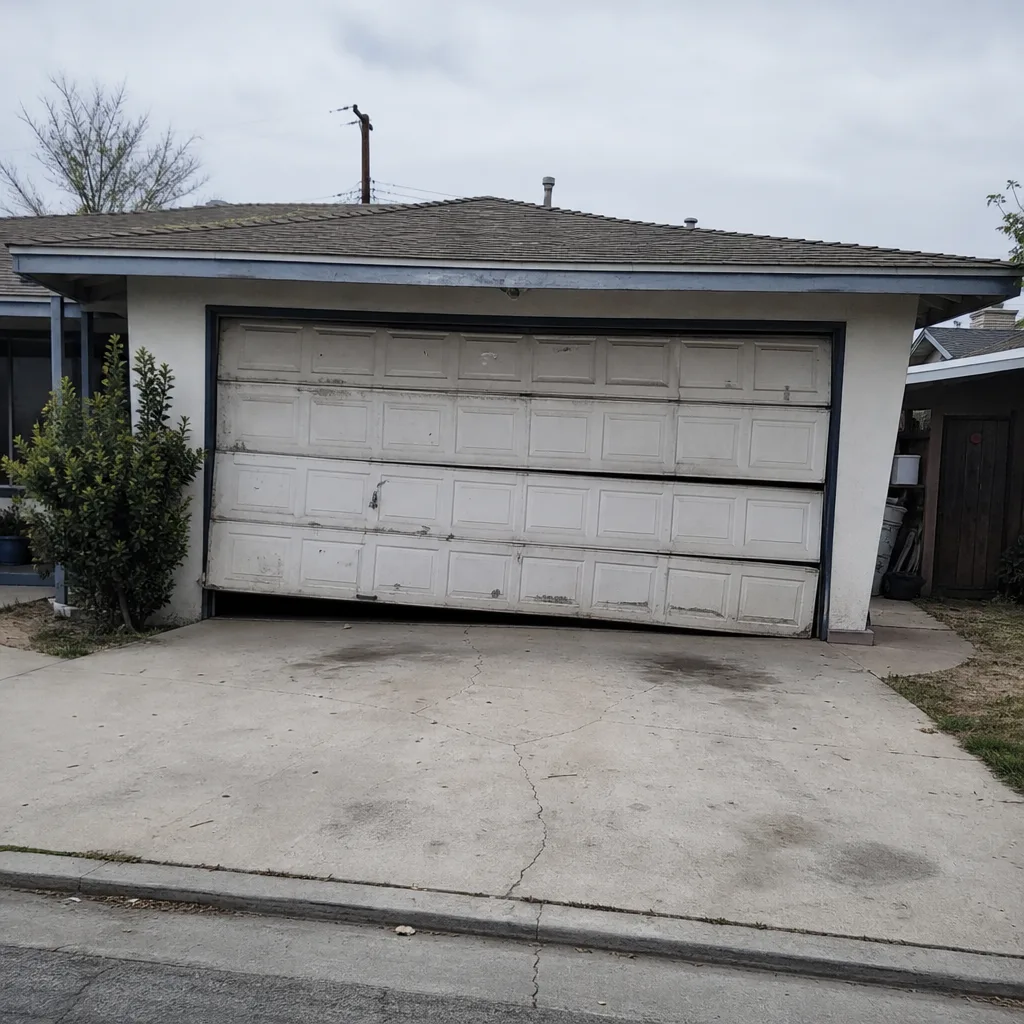 Before
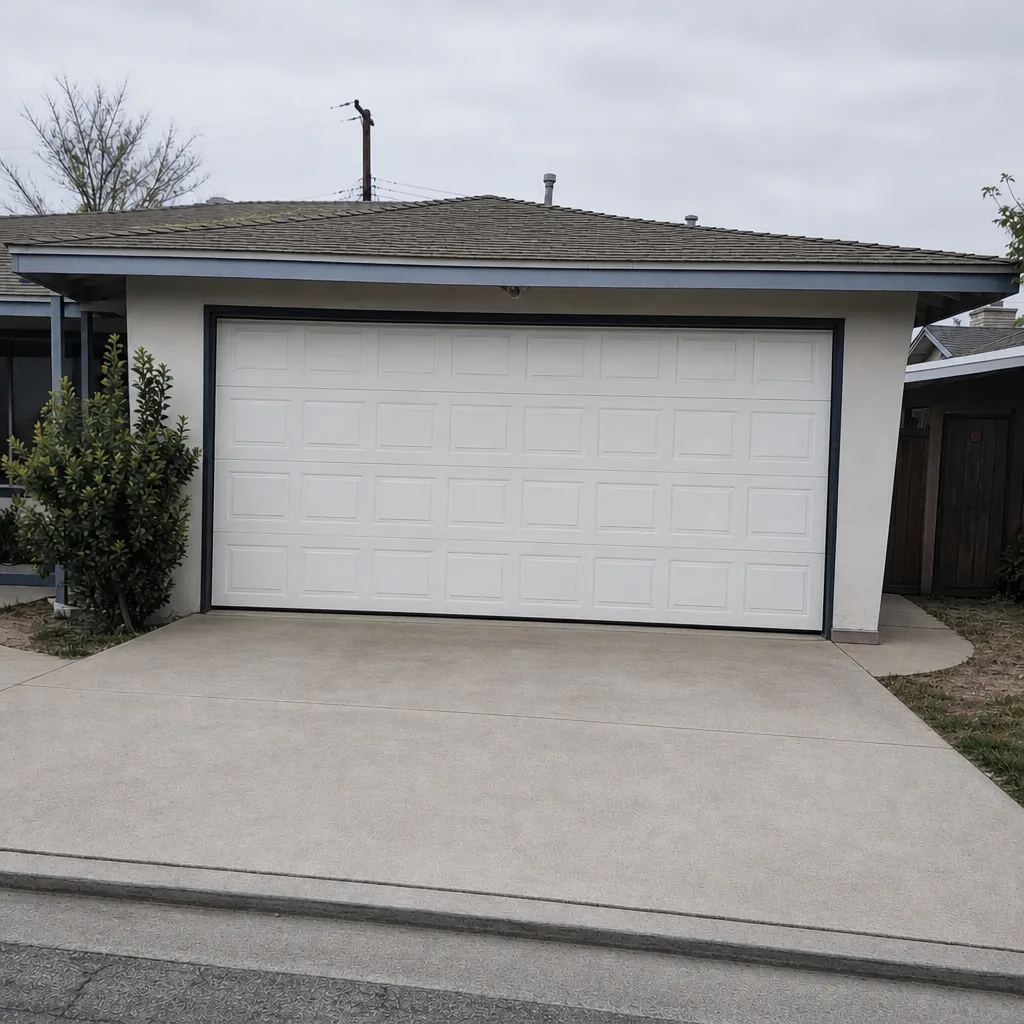 After
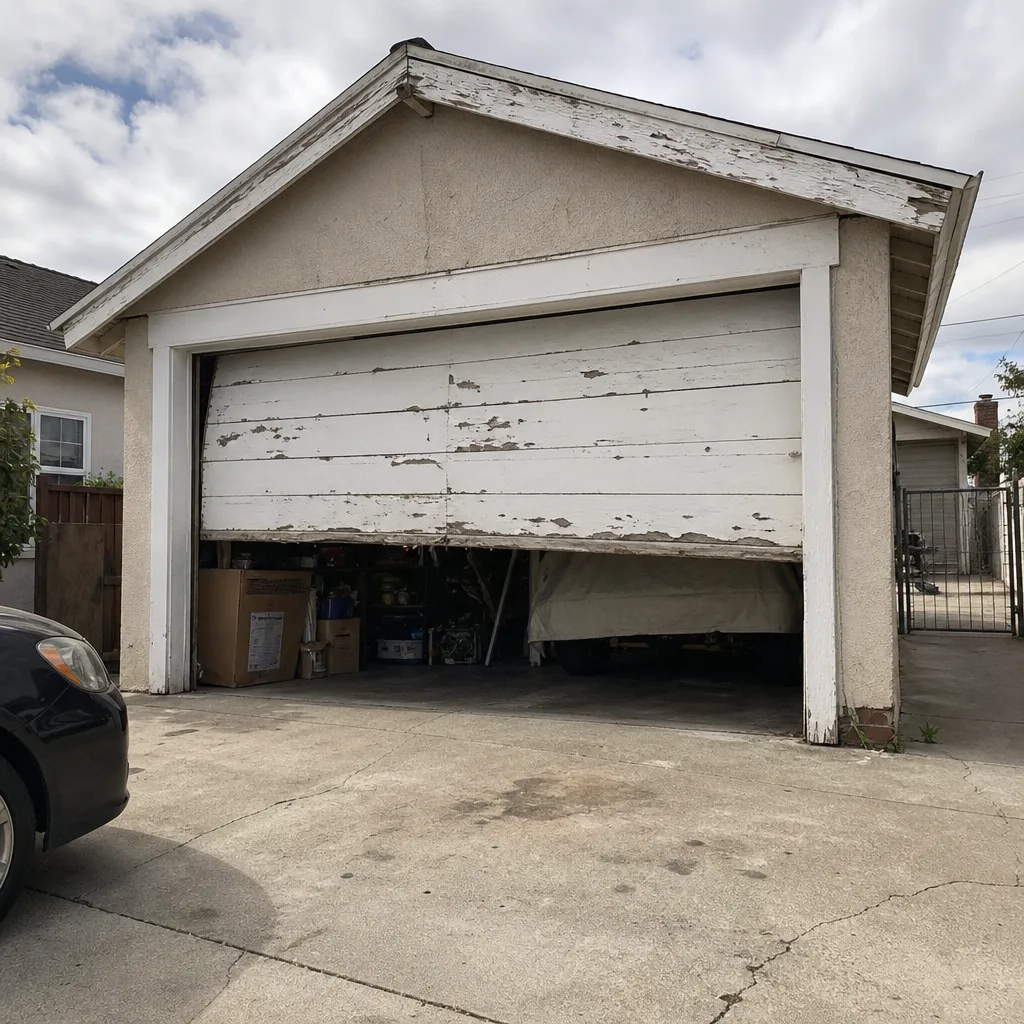 Before
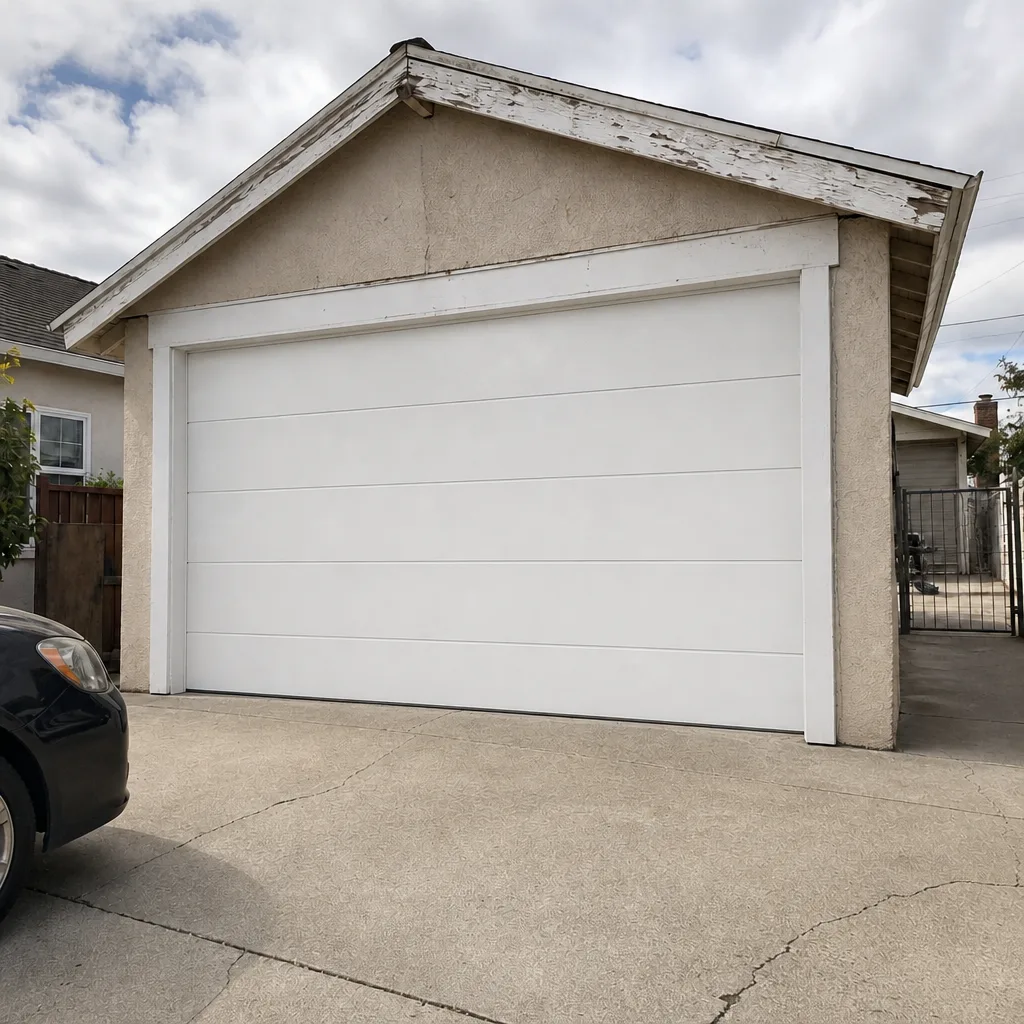 After
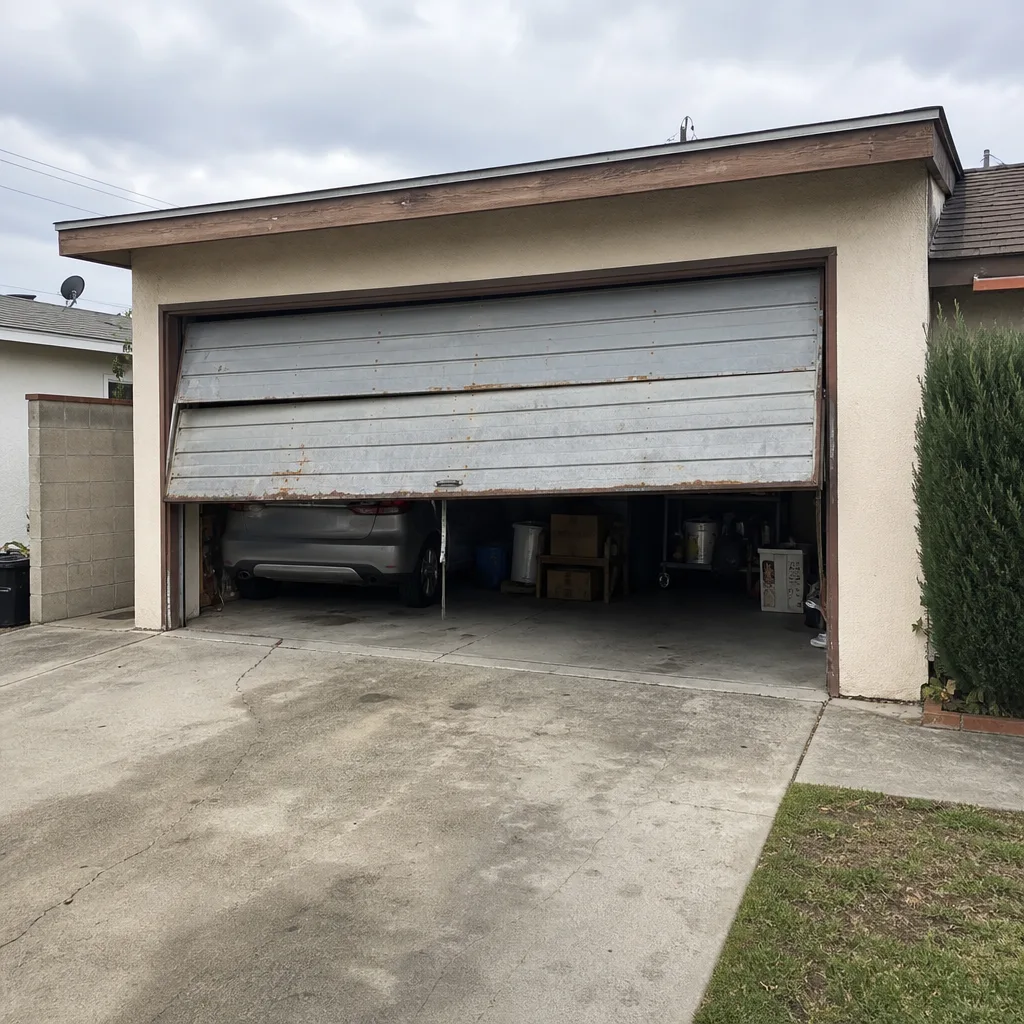 Before
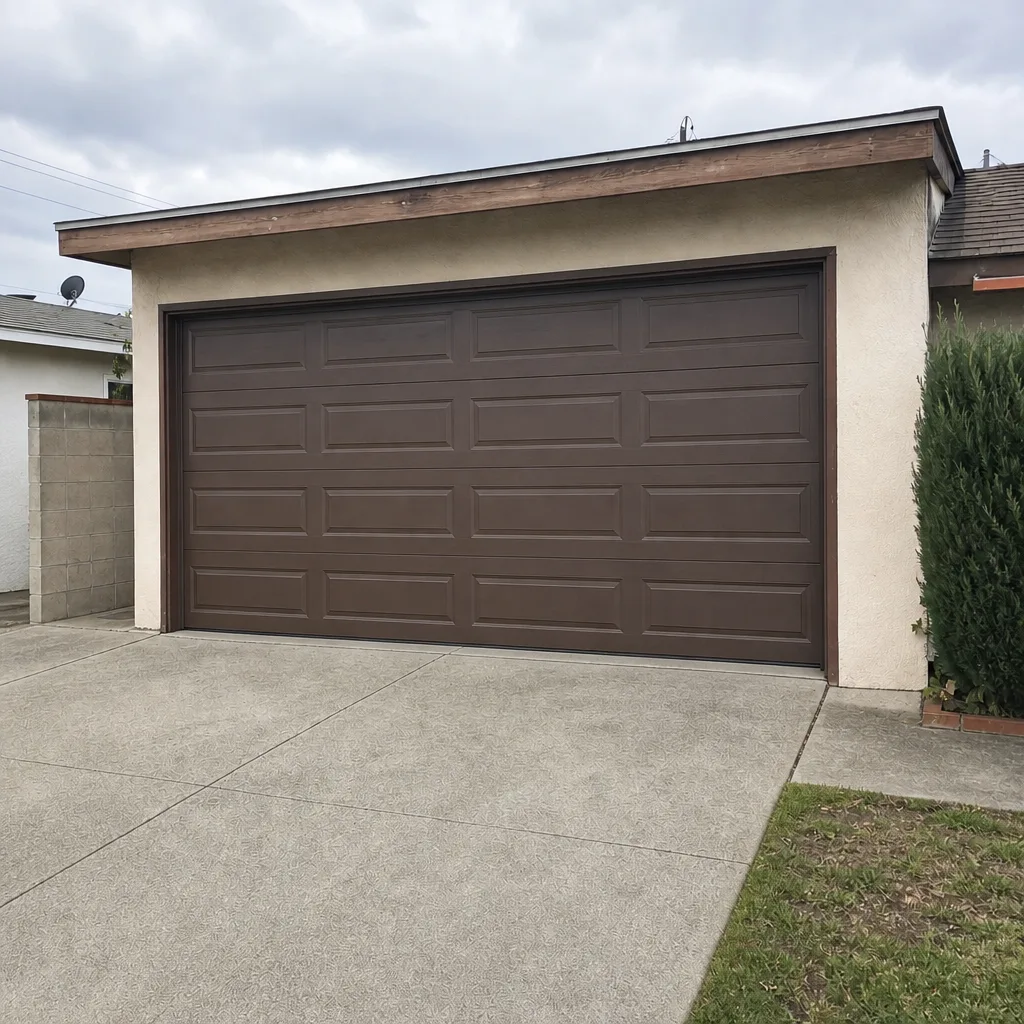 After