
Last updated November 4, 2026
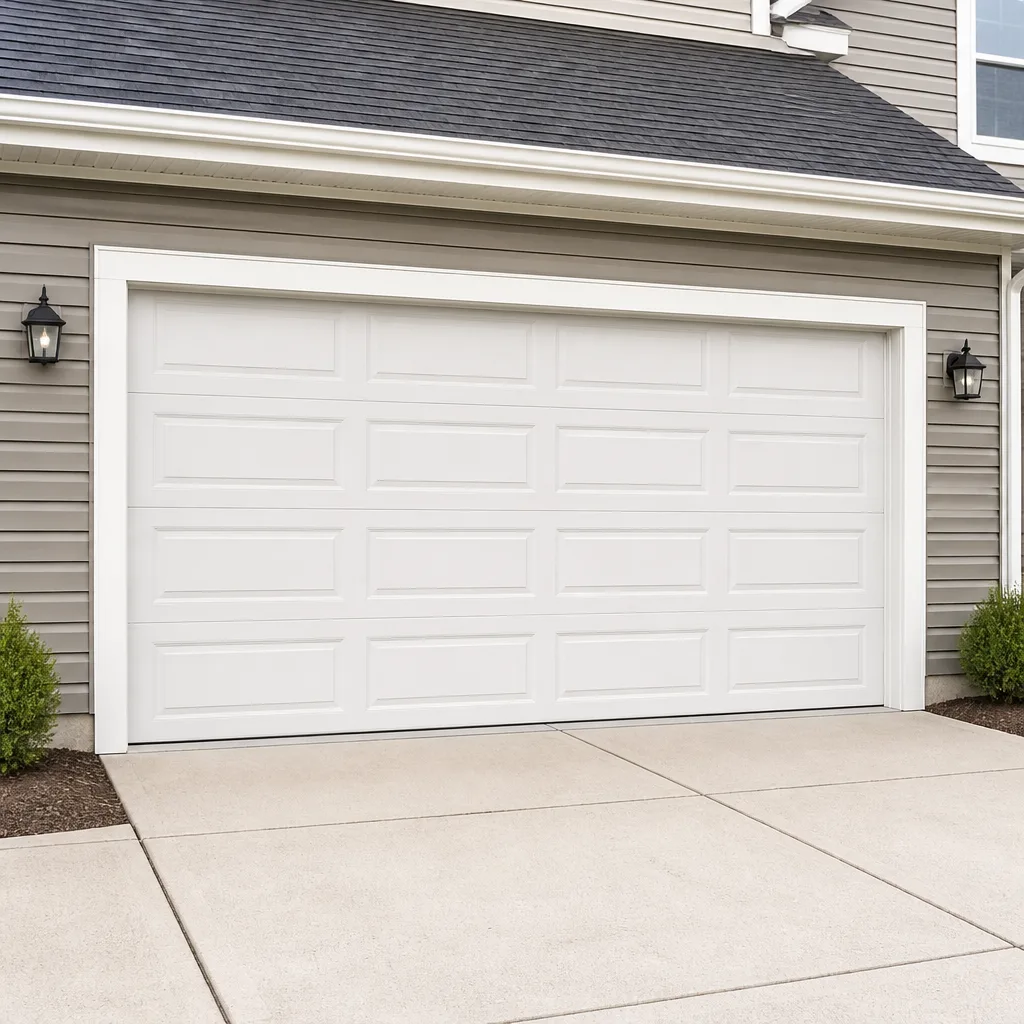 Raised-panel steel
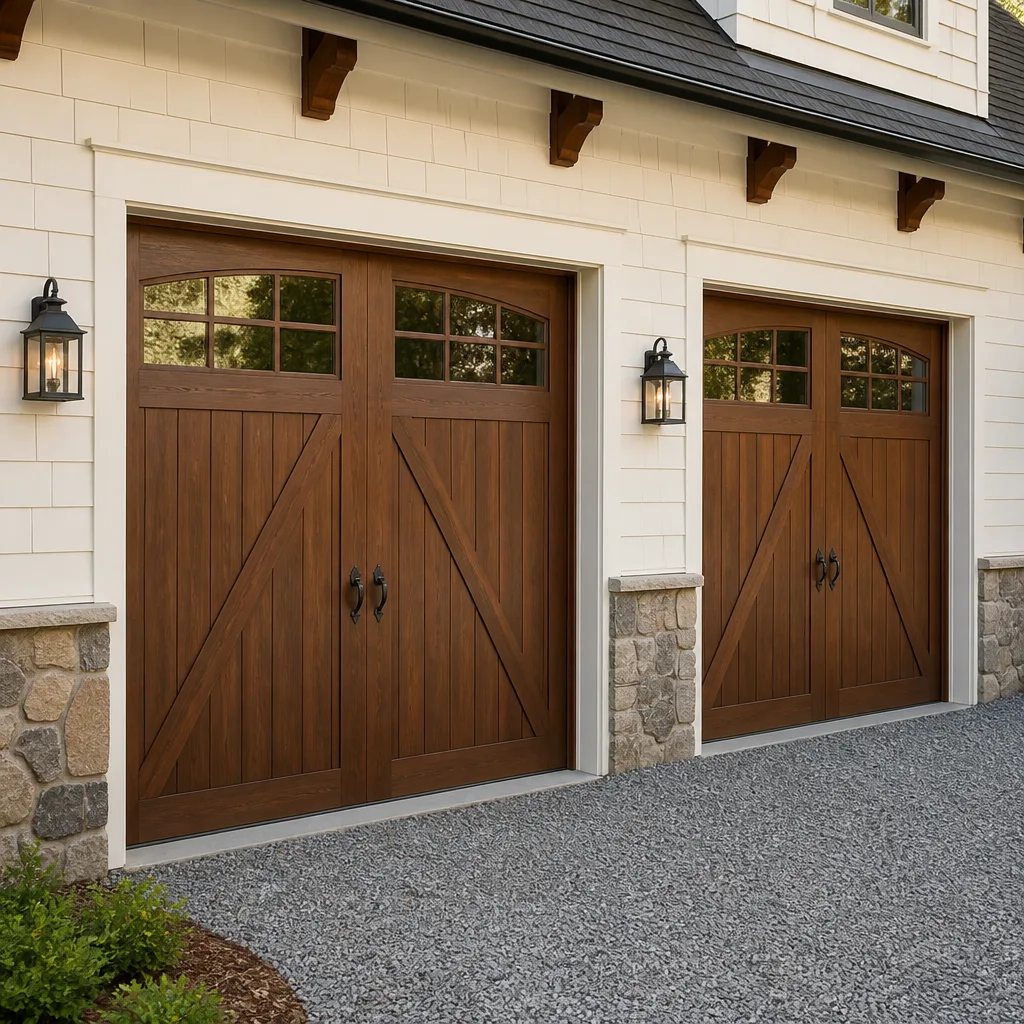 Carriage house
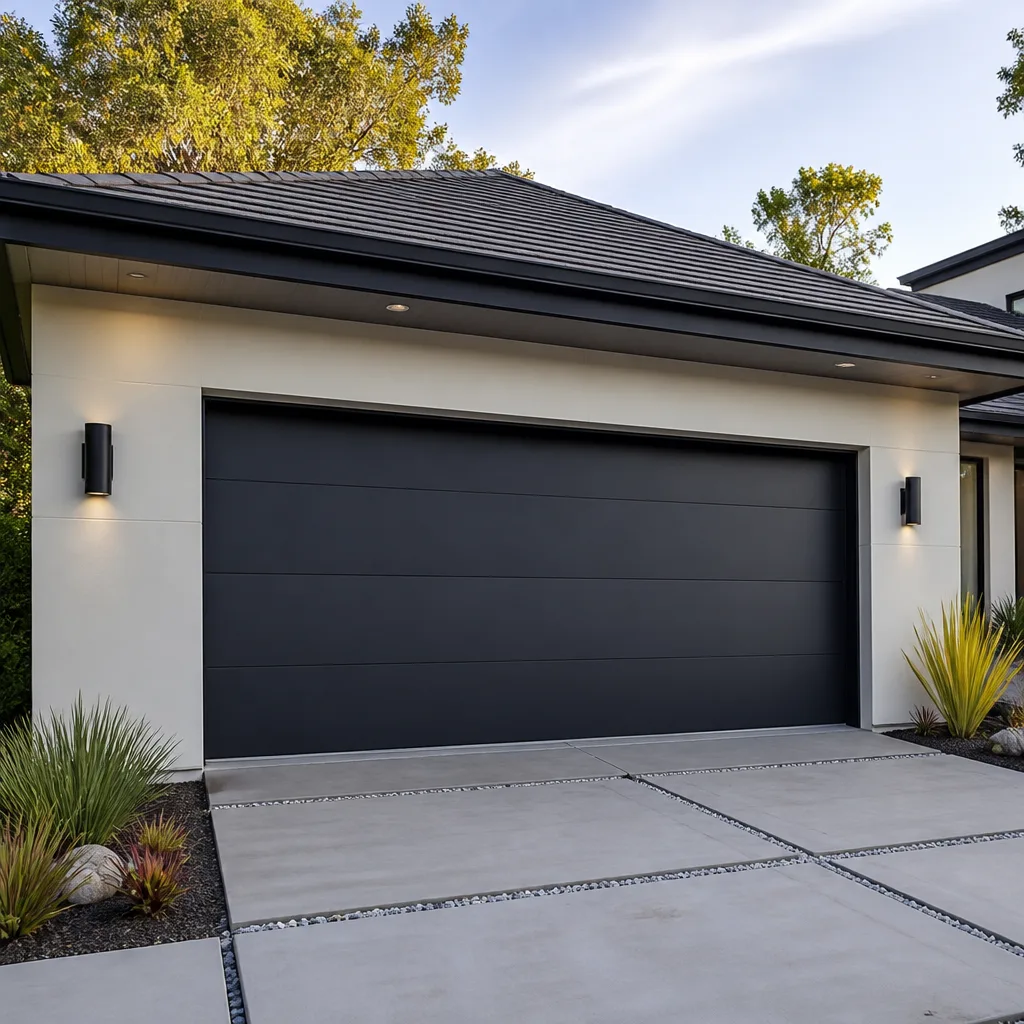 Modern flush
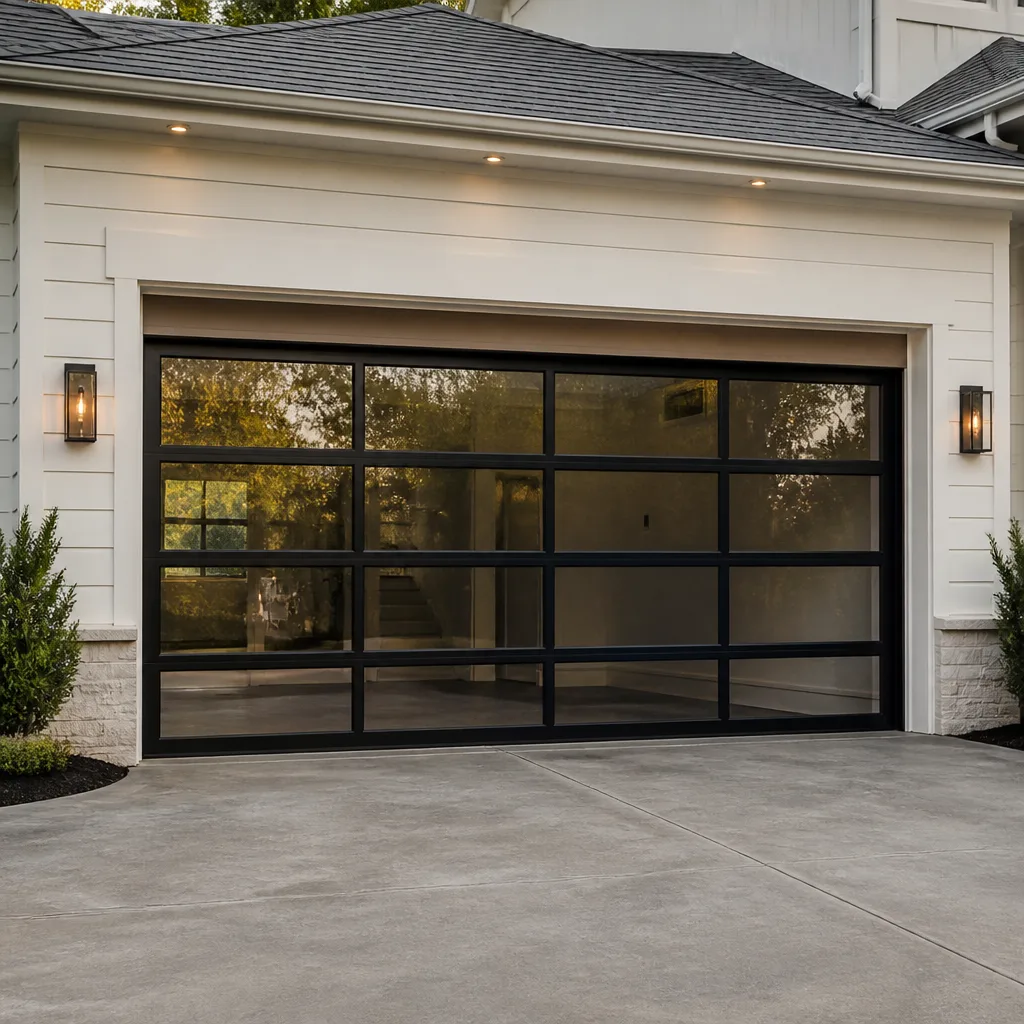 Full-view glass
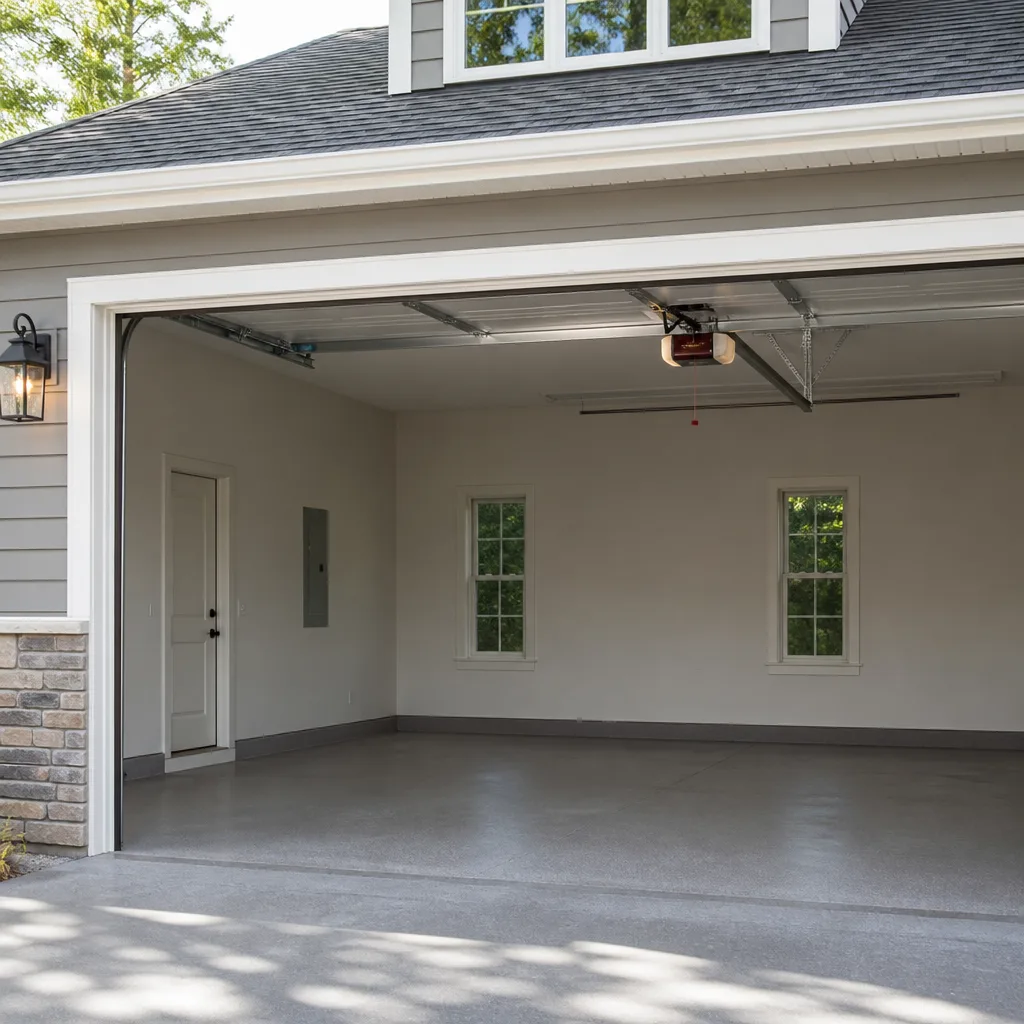 LiftMaster openers
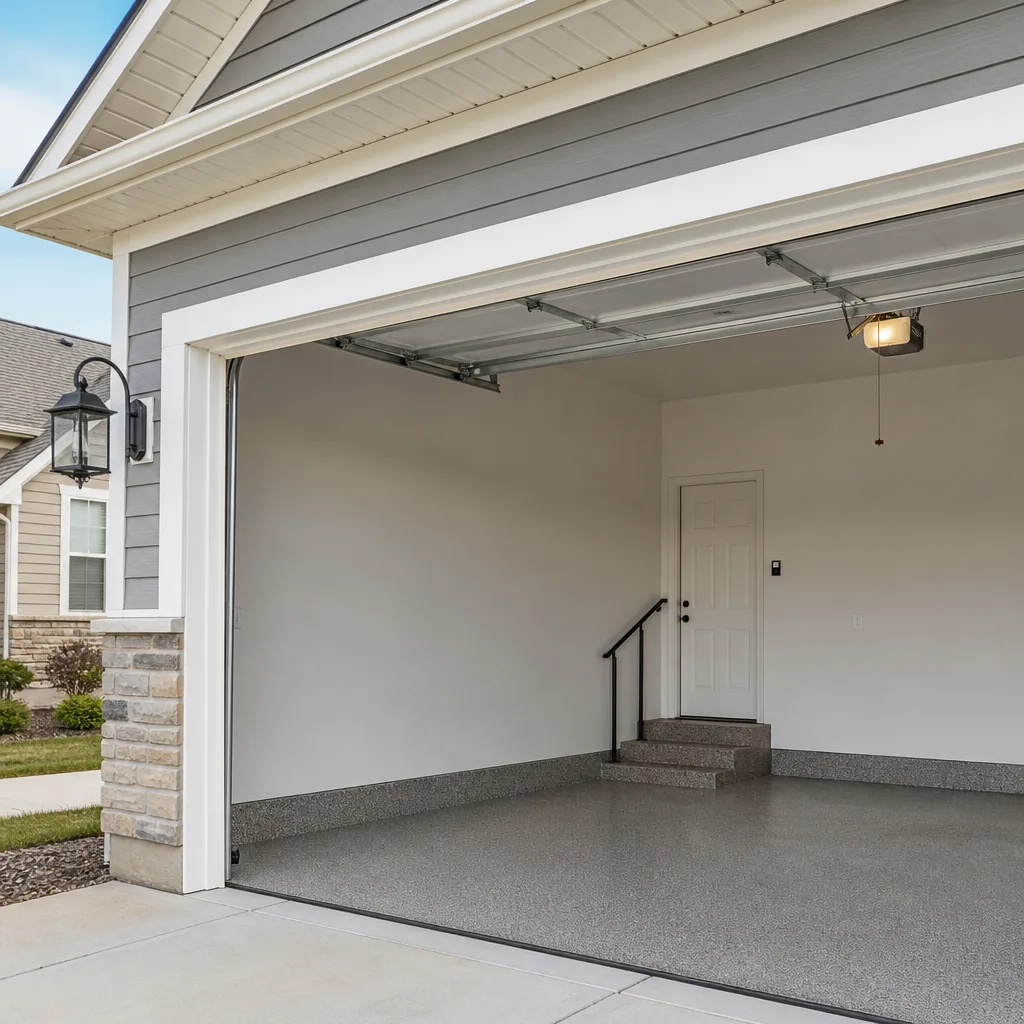 Chamberlain openers
Full 25-point door and opener safety check with every visit - springs, cables, rollers, tracks, and your LiftMaster or Chamberlain opener included
You get a price before we start. It does not change when the truck arrives.
Get your free estimateGarage Door Repair Maintenance Schedule: What to Do and When
Over-lubricating garage door tracks is one of the most common mistakes homeowners make during “maintenance.” It attracts dust and grit, turns the track into a grinding paste, and accelerates wear on rollers that would have lasted years longer if left alone. A garage door is one of the heaviest moving objects in a Bellflower home, and it cycles thousands of times each year without much thought until something goes wrong. This guide separates meaningful maintenance from busywork so you know exactly what to check monthly, what to tackle seasonally, what belongs in an annual professional tune-up, and which components have a predictable lifespan measured in years, not months. You’ll learn which parts need lubrication and which must stay bone dry, how to estimate remaining spring life, and what Southern California’s heat and marine layer moisture actually do to weather seals and hardware.
Quick Answer
A practical garage door maintenance schedule is monthly visual checks of balance and wear, seasonal lubrication of rollers and hinges with a silicone or lithium spray, an annual safety and force test, and a professional tune-up every one to two years. Springs, rollers, cables, and weather seals follow a five-year lifecycle that should prompt closer inspection or proactive replacement before they fail. Most homeowners benefit from a professional tune-up annually in Bellflower, where summer heat and morning moisture combine to age seals and hardware faster than in drier inland climates.
Styles & brands we work with
- Raised-panel steel
- Carriage house
- Modern flush
- Full-view glass
- LiftMaster openers
- Chamberlain openers
Table of Contents
- Monthly Visual Checks: What to Look For
- Seasonal Lubrication: What Gets Oil and What Stays Dry
- Annual Safety Tests and Balance Checks
- What a Professional Tune-Up Covers
- The Five-Year Component Lifecycle
- Spring Cycle Math: Knowing When Replacement Is Due
- How Bellflower’s Climate Affects Your Door
- Common Mistakes to Avoid
Monthly Visual Checks: What to Look For
A monthly check takes about four minutes and requires no tools. The goal is catching gradual wear before it becomes a repair call. Start with the door closed and walk the interior track line from end to end. In Bellflower, where many homes are mid-century construction with original hardware, we look for things that have been wearing quietly for years.
- Track alignment and mounting bolts. Look for any gap between the wall and the vertical track bracket, or a track that appears to angle inward or outward. A loose bolt here shifts the door’s travel plane and accelerates roller wear.
- Roller condition. With the door closed, inspect each roller where it meets the track. Nylon rollers that show cracks, flat spots, or visible wobble are nearing replacement. Steel rollers with rust or a missing ball bearing need immediate attention.
- Spring and cable condition. Look at the torsion spring above the closed door. Surface rust, gaps between coils, or a spring that appears stretched are warning signs. Check both lift cables for fraying where they wrap around the bottom bracket.
- Weather seal integrity. Run a hand along the bottom seal and the side jambs. In Bellflower’s warm climate, rubber seals bake and harden within a few summers. A stiff, cracked, or flattened seal no longer keeps out dust, insects, and warm air.
- Balance behavior. Disconnect the opener by pulling the red release cord and lift the door manually to waist height. A balanced door holds position without drifting. One that drops or climbs has a spring problem forming.
If any item looks questionable, photograph it with your phone. A picture from the same angle each month gives you a comparison point and helps a technician understand what changed. Colonial Garage Door Repair works on garage door repair across all major brands, and a clear photo often shortens the diagnostic phone call.
Seasonal Lubrication: What Gets Oil and What Stays Dry
Lubrication is the most misunderstood part of garage door maintenance, and the consequences of doing it wrong are worse than skipping it. The rule is simple: lubricate moving metal-to-metal contact points, leave the tracks completely dry. Tracks are a rail, not a bearing surface. Spraying lubricant into them makes the rollers slide instead of roll, and the film captures dirt from Bellflower’s dry air and turns into an abrasive slurry.
What to Lubricate Every Season
- Rollers (nylon rollers): Apply a silicone-based lubricant to the bearing inside the roller wheel, not the wheel surface. If the rollers are metal, lubricate the bearing and the stem where it enters the hinge.
- Hinges: The pivot points between door panels. Spray each hinge pin and work the lubricant in by opening and closing the door once.
- Torsion springs: A light coat along the coil length prevents surface rust and friction between coils. Use a white lithium grease here; it adheres to the spring without dripping.
- Lock mechanism and keyway: If your door has a manual lock, a small shot of graphite or silicone keeps the mechanism free. Skip the keyway unless it’s stiff; a dry graphite powder works better than oil there.
What Must Stay Dry
- Tracks: If the door is noisy, the cause is almost never the track. Lubricating tracks is the most common maintenance error we see, and it directly shortens roller life.
- Photo-eye lenses: A dry microfiber wipe each season removes dust and any morning moisture residue. Never spray cleaner or lubricant on them; a film distorts the beam and causes phantom reversals.
- Belt or chain on the opener: A belt drive needs no lubricant at all. A chain drive from LiftMaster or Genie uses a light machine oil applied sparingly to the chain links only, never the rail.
Use a silicone spray for nylon rollers and hinges, white lithium grease for torsion springs, and a light machine oil for chain drives. Avoid WD-40 as a general lubricant; it cleans and displaces moisture but leaves little lasting lubrication. In Bellflower, where dry summer dust settles on everything within a day, a light application each season does more good than a heavy one done yearly.
Annual Safety Tests and Balance Checks
Garage door openers made after 1993 are required to include two safety systems: auto-reverse on obstruction and photoelectric sensors. These systems protect children, pets, and property. They also fail gradually, and most people never notice until something is hit. Annual testing is a two-person job done with two props: a roll of paper towels and a 2×4 block.
The Reversal Test
- Place a paper towel roll flat in the center of the door’s path and close the door.
- The door should contact the roll, stop, and reverse within two seconds. If it crushes the roll and continues, the force setting is too high or the reversal mechanism is failing.
- Repeat with a 2×4 laid flat. A properly adjusted door will reverse on contact with resistance. If it closes hard on the block, call a professional before children or pets are at risk.
The Photo-Eye Test
- With the door open, wave an object across the photo-eye beam near the floor.
- Press the close button. The door should not move, or if moving, should stop and reverse immediately.
- If the door continues to close, clean both lenses with a dry cloth and retest. If it still fails, the sensors or wiring need attention.
The Balance Test
Disconnect the opener and lift the door manually. It should feel evenly weighted through the full travel. A door that becomes noticeably heavier at any point, or that springs up from the floor, indicates worn or improperly tensioned springs. Homeowners with Wayne Dalton and Amarr doors should know these brands use different spring systems, and balance problems on a torquemaster-style setup often look fine visually while performing poorly. An annual test catches the difference.
What a Professional Tune-Up Covers
Some checks are physically impossible for a homeowner to do safely, and a few more require tools and training that aren’t in most garages. A professional tune-up in Bellflower typically runs through the following, and a thorough one takes forty-five minutes to an hour.
Work a Technician Does That a Homeowner Cannot
- Spring tension adjustment. Torsion springs store enough energy to cause serious injury or death if mishandled. Adjusting tension requires winding bars, a clear understanding of the spring’s cycle rating, and experience with the specific spring system. This is never a do-it-yourself job.
- Drum and cable inspection under tension. Lift cables run through drums at each end of the torsion tube. A frayed cable inside a drum is invisible until it fails. A technician backs off tension, inspects cable condition and drum wear, and retensions the system.
- Opener force and limit calibration. Modern openers from LiftMaster and Chamberlain use electronic force sensing. Over time, door weight changes as springs weaken, and the opener compensates by pushing harder. A technician measures actual door weight, compares it against spring rating, and recalibrates force settings to protect the door and the safety reversal system.
- Bearing and end-plate inspection. The torsion spring assembly rides on bearings that grind over time. A technician listens for bearing rumble and inspects the end plates for wall pull-out, which is common in Bellflower homes where original garage framing has settled.
- Full cycle test. The door runs through ten to fifteen complete cycles while the technician watches for uneven lift, roller hop, and opener strain. This catches intermittents that a single open-close cycle misses.
For garage door opener repair specifically, Colonial Garage Door Repair treats the drive system as a priority rather than an add-on. Opener problems often masquerade as door problems, and a tune-up that ignores the opener leaves the most failure-prone component untouched. Clopay and Amarr doors both pair with Genie and LiftMaster openers in this market, and the interaction between a specific door weight and a specific opener model matters more than either part in isolation.
The Five-Year Component Lifecycle
Most garage door components have predictable service lives, and thinking in five-year increments prevents the surprise of a sudden failure. Here is how the cycle works in practice for a door used four times a day.
| Component | Typical Life | What Happens at End of Life |
|---|---|---|
| Steel rollers | 5-7 years | Bearings seize or wheels flatten; door becomes noisy and jerky |
| Nylon rollers | 10-12 years | Bearing wear; quiet failure but eventually wheel wobbles and track wear accelerates |
| Torsion springs | 7-9 years (10,000-15,000 cycles) | Sudden break; door slams if cables are out of alignment, or won’t open at all |
| Lift cables | 8-10 years | Fraying and break; door drops on one side and jams |
| Bottom weather seal | 3-5 years in Bellflower heat | Hardens, cracks, flattens; dust and warm air enter, water pools in heavy rain |
| Side jamb seals | 5-8 years | Brittle and gapped; air leaks and pest entry points |
| Opener belt | 12-15 years | Teeth strip or belt stretches; door jerks and opener struggles |
| Opener chain | 15+ years with oiling | Link wear and stretch; rattling and slack |
Wayne Dalton doors, especially torquemaster models, have their springs inside a tube where visible inspection is impossible. A five-year mark is the right time for a professional to open that system and assess spring condition rather than waiting for a failure that locks the door shut. Genie and LiftMaster openers built in recent years have diagnostic lights that signal component age somewhat, but the mechanical parts still follow the same physical lifecycle as older units.
Spring Cycle Math: Knowing When Replacement Is Due
Garage door springs are rated in cycles, not years. One cycle is a full open and full close. A standard torsion spring is rated for 10,000 cycles, which works out to about seven to nine years for a door used four times daily. But the math changes with usage patterns, and most people have no idea whether they are a light or heavy user.
Calculating Your Spring Life
- Count your daily cycles. One open in the morning and one close at night is two cycles. If you leave and return during the day, that’s four. If the door serves as a primary entry for family members and guests, six to eight cycles daily is not unusual in Bellflower households.
- Multiply daily cycles by 365. A family using the door four times daily accumulates about 1,460 cycles per year.
- Divide the spring’s rated cycles by your annual usage. A 10,000-cycle spring on a four-cycle-per-day door lasts roughly 6.8 years. A two-cycle-per-day household stretches the same spring to about 13.7 years.
- Add a heat penalty. Southern California heat does not shorten spring steel life dramatically, but it does accelerate any surface rust from morning marine layer moisture in Bellflower. A spring with visible rust at the five-year mark should be inspected annually rather than replaced on a schedule.
When a spring breaks, the door either refuses to open or, if the break happens while open, drops with violence. The second scenario is why lift cables and safety cables matter. A broken spring paired with an unsecured cable can drop a heavy door faster than a person can react. This is not a maintenance task to defer. If your annual calculation puts your spring past 80% of its rated life, proactive replacement costs less than an emergency call and avoids the risk entirely.
How Bellflower’s Climate Affects Your Door
Bellflower sits where summer heat meets morning marine layer, and that combination does specific things to a garage door. The heat is the more obvious problem: rubber seals bake and harden, lubrication evaporates or thins, and steel doors absorb enough thermal expansion that a door adjusted perfectly in spring can bind slightly in August. The marine layer is subtler. Morning dampness lingers long enough to promote surface rust on unprotected hardware, then burns off into humidity that penetrates the garage and condenses on cooler metal surfaces. A door that opens in the cool morning and closes in the afternoon heat cycles through more dimensional change than a door in a stable inland climate.
What this means practically for a Bellflower homeowner: weather seals need attention every three years rather than five, and exposed steel parts benefit from a rust-inhibiting coat more often than they would in drier air. The good news is that there is no freeze-thaw cycle, no frost line, and no road-salt corrosion to manage. The maintenance burden shifts from winter prep to summer heat management and moisture control. If your garage faces west or south in the older neighborhoods around Bellflower, the afternoon sun hits the door panels directly, and Amarr and Clopay steel panels with a good factory finish handle that sun better than single-layer doors without insulation. A light-colored or reflective door surface also runs cooler, which reduces expansion drift across a hot afternoon.
Common Mistakes to Avoid
We’ve worked on doors in Bellflower that failed years early because of a single persistent maintenance error. These are the ones that show up repeatedly.
- Lubricating the tracks. The most common mistake by a wide margin. Tracks need to be clean and dry. The rollers, hinges, and springs are the parts that need lubrication, and lubricating the track just collects debris and grinds down the rollers.
- Spraying WD-40 on everything. WD-40 is a water displacer and cleaner, not a lasting lubricant. It strips existing lubricant and leaves metal surfaces nearly dry within days. Use a silicone spray or white lithium grease for the right application.
- Replacing one spring instead of both. When a door has two springs and one breaks, the other has the same age and cycle count. Replacing only the broken one leaves a door with mismatched spring force and a fresh break waiting to happen. Replacing both as a pair is the correct approach.
- Tightening everything because it rattles. A garage door that shakes and rattles is usually announcing worn rollers or a balance problem, not loose bolts. Overtightening track bolts can force the track out of alignment and make the problem worse.
- Ignoring the balance test. A door that becomes heavier over months is telling you the springs are fatiguing. By the time the opener strains audibly, the opener motor, gears, and sprocket have already been working harder than designed for a long time.
- Assuming a noisy door is normal. Some noise with metal rollers is normal. A door that squeals, grinds, pops, or sounds like a bag of bolts is not. Noise is the earliest symptom of most mechanical failures, and addressing it at the squeak stage prevents a seized roller or broken spring later.
- Using the door when it shows obvious signs of imbalance. Continuing to operate a door that has a visibly sagging or uneven panel set, a snapped cable, or a broken spring risks further damage to panels, tracks, and the opener. Stop using it and call a professional.
See the difference
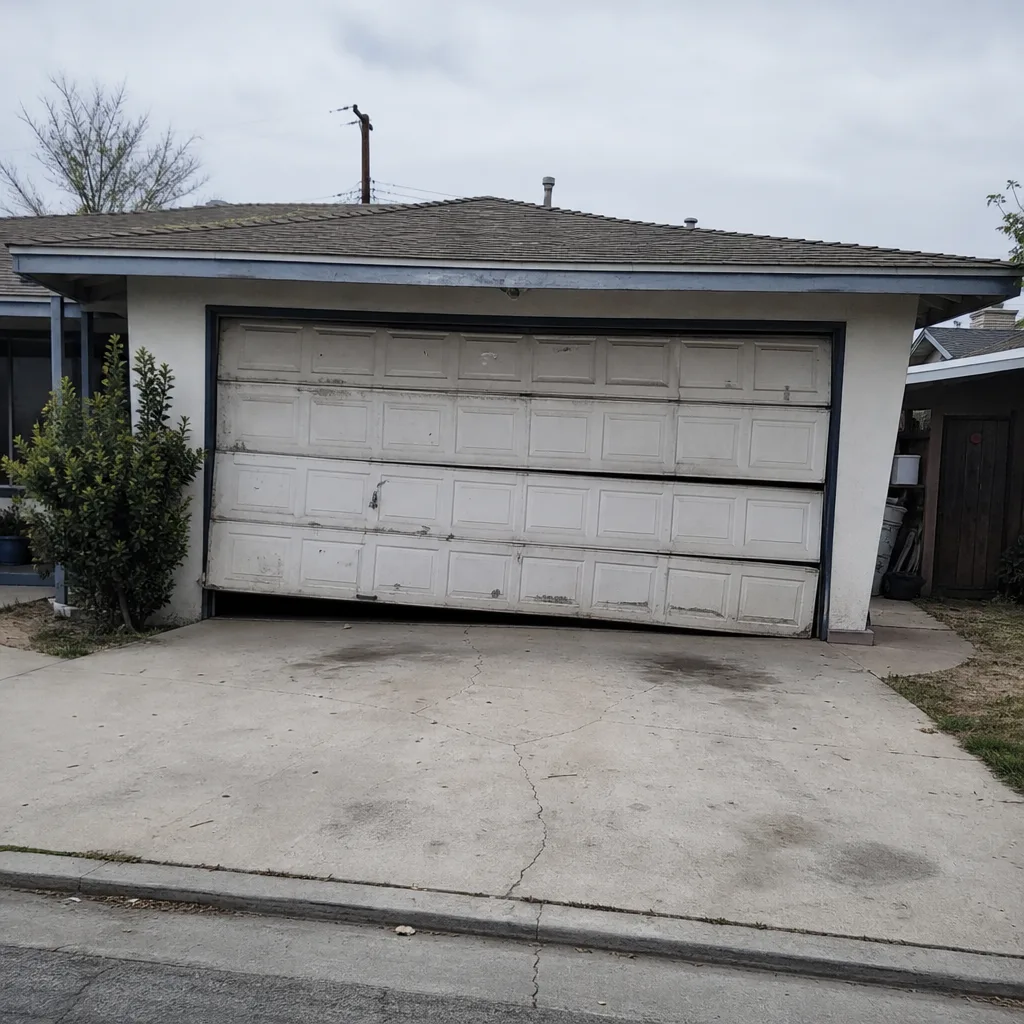 Before
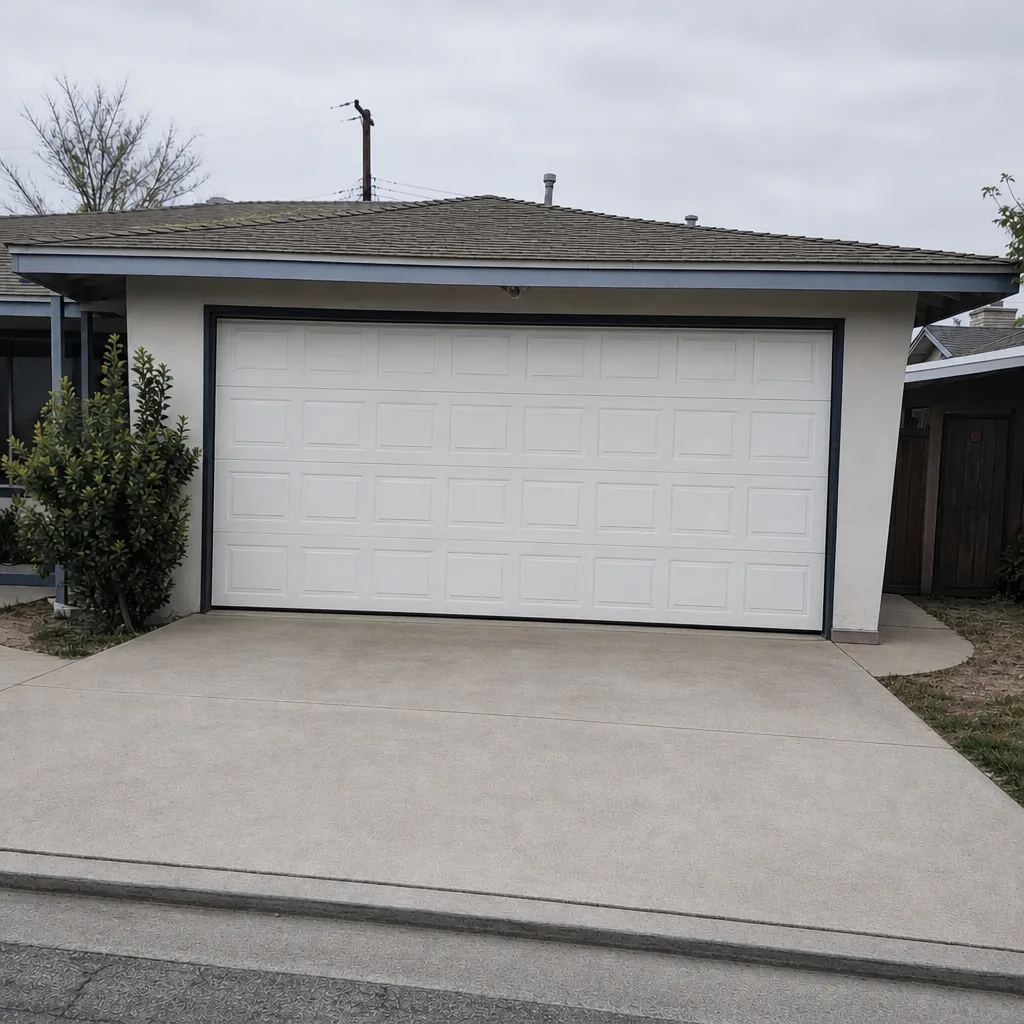 After
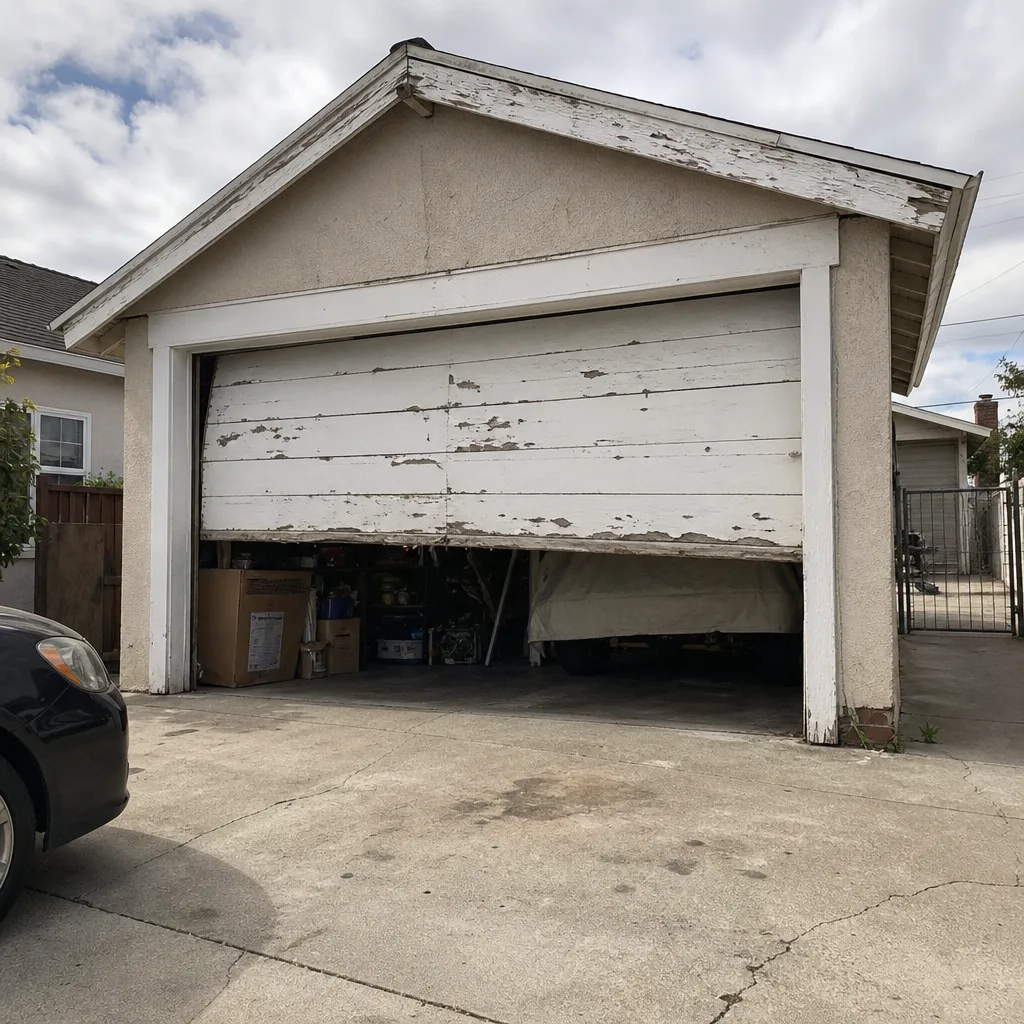 Before
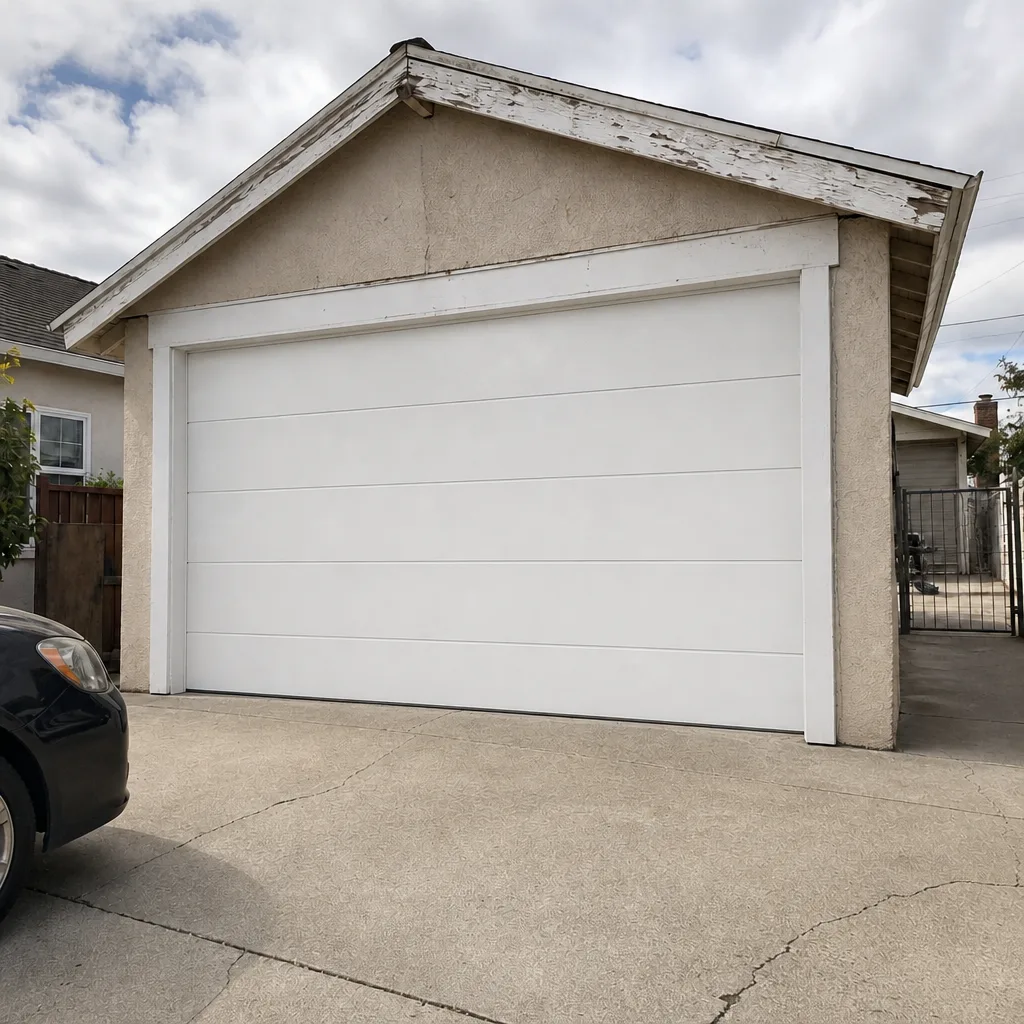 After
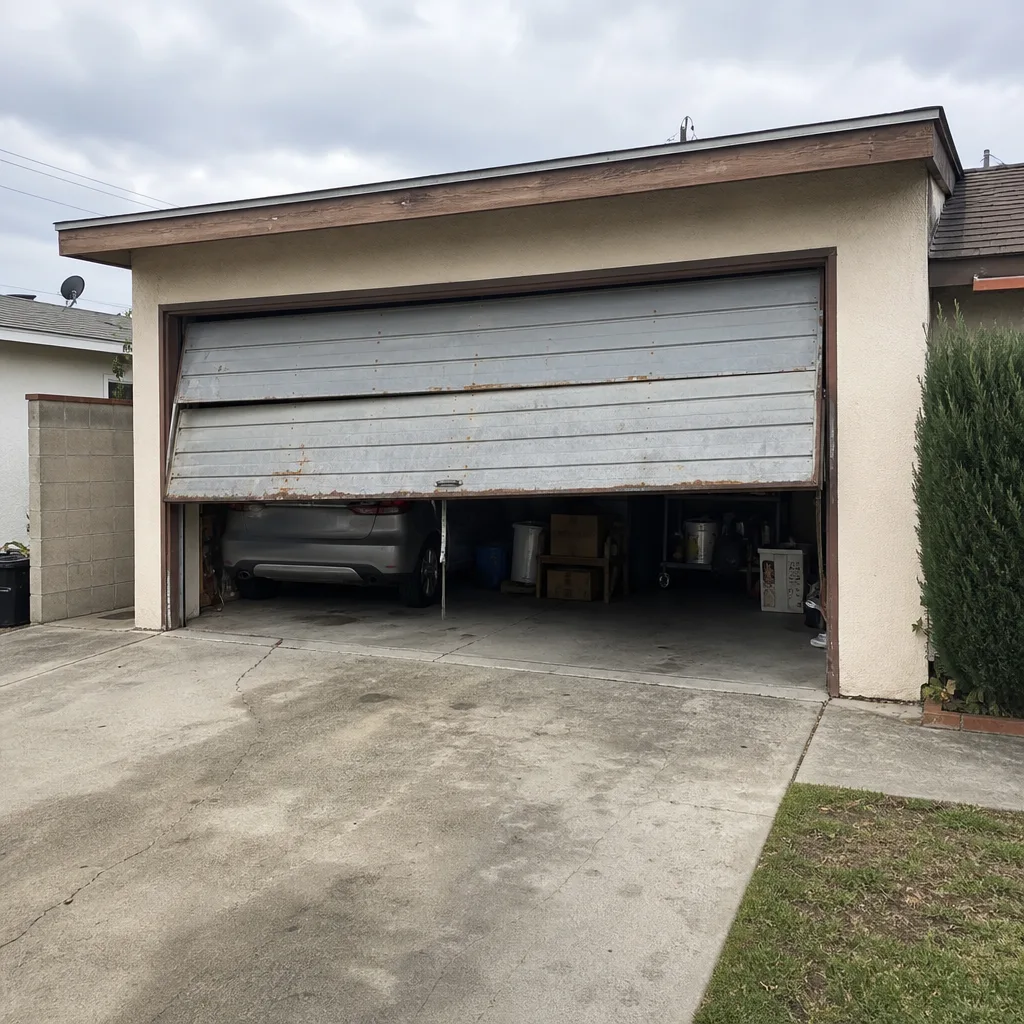 Before
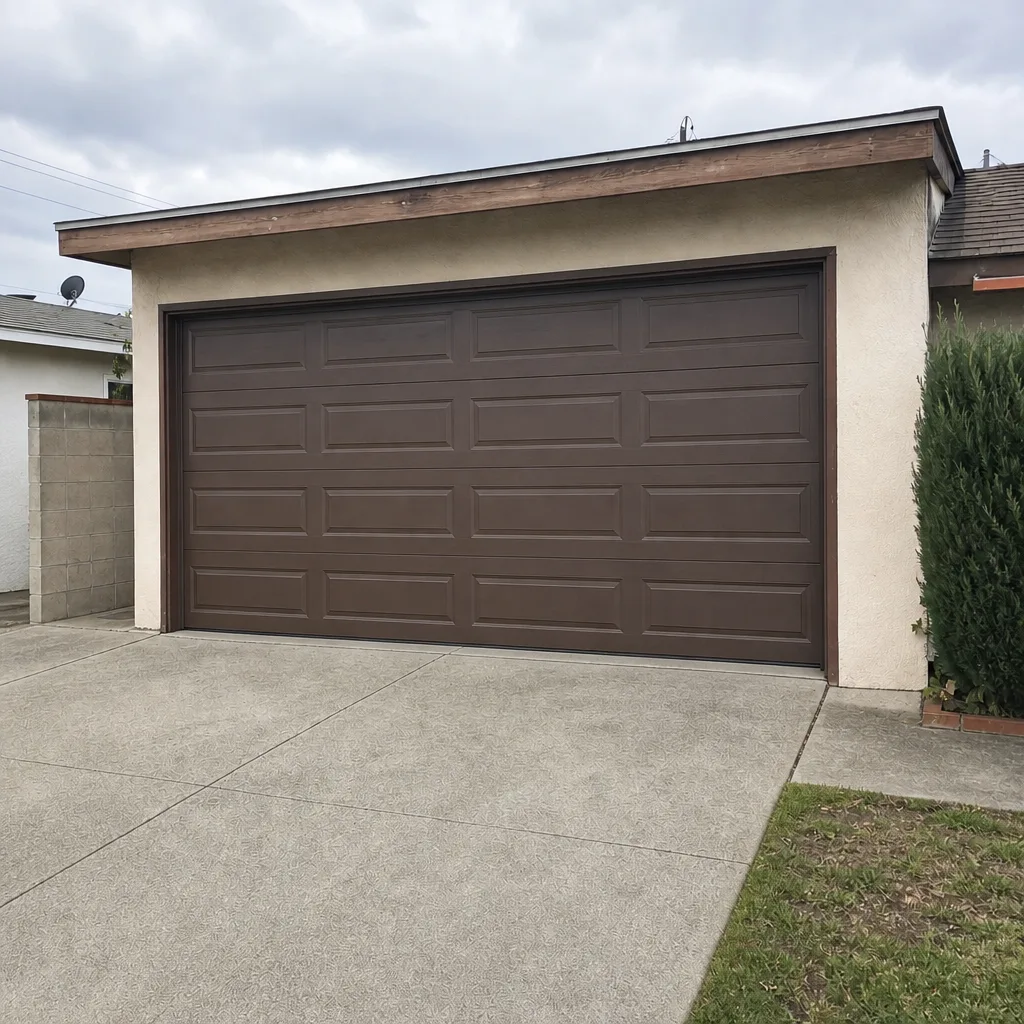 After
When to Call a Professional
Some situations should not be touched with household tools. A broken torsion spring is under extreme tension and always requires a trained professional with winding bars and specific spring-brand knowledge. Frayed lift cables, visible track damage, a door that jumps off its tracks, or an opener that sparks or smells burnt are all professional calls. If your door has been shaking, grinding, or getting heavier over weeks, that is a mechanical condition forming, not a maintenance item to lubricate. If you have had the door for seven or more years and have never had the spring cycle counted or the opener force recalibrated, a tune-up visit is the lowest-cost insurance against a sudden failure. Colonial Garage Door Repair offers free estimates in Bellflower; call (833) 598-2561 and we will tell you exactly what you have and what it needs, for your brand and your usage pattern, before any work begins.
Frequently Asked Questions
Lubricate the rollers, hinges, and springs every three to four months, focusing on the moving bearing points only. The tracks should stay dry at all times. A silicone spray on nylon rollers and a white lithium grease on torsion springs is the right combination for Bellflower’s dry heat and morning moisture.
A realistic schedule is monthly visual checks, quarterly lubrication of the moving parts, an annual safety and balance test, and a professional tune-up every one to two years depending on usage. The five-year lifecycle for springs, cables, and seals is the longer horizon that prevents most emergency calls. Call (833) 598-2561 if you want a specific recommendation based on your door’s brand and daily cycles.
Count your daily open-close cycles and multiply by 365, then compare against the spring’s rated cycle count, usually 10,000 cycles for standard torsion springs. Visual rust, gaps between coils, or a door that feels heavier are late-stage signs. In Bellflower’s climate, a professional spring check at the five-year mark catches most approaching failures before they break.
You can do the monthly visual checks, seasonal lubrication, and annual safety tests yourself with basic tools. Spring tension adjustment, cable inspection under tension, opener force calibration, and bearing inspection all require training and specialized tools. A reputable technician will do those safely and check the components you cannot access without releasing spring tension.
Colonial Garage Door Repair works on doors and openers from Genie, Clopay, Amarr, and Wayne Dalton, along with LiftMaster, Chamberlain, and Craftsman systems. That multi-brand coverage matters because the right maintenance approach differs between a torquemaster-style Wayne Dalton spring and a conventional torsion spring on a Clopay door, and using the wrong procedure on the wrong brand causes damage.
Yes. The opener is the most failure-prone component of the whole system, and annual force calibration plus chain or belt inspection extends its life significantly. Opener problems often masquerade as door problems, so a tune-up that does not include the opener is only doing half the job. Colonial handles the door and the opener in a single visit.
The Bottom Line
A garage door does not need weekly or even monthly work; it needs the right work at the right intervals. Monthly checks catch wear while parts are still repairable. Seasonal lubrication keeps the moving points quiet and smooth, and it never touches the tracks. Annual safety tests keep the reversal systems reliable. The five-year lifecycle is where springs, cables, and seals meet their physical limits, and attention there prevents sudden failure. A professional tune-up every year or two covers what a homeowner physically cannot: spring tension, cable inspection under load, and opener force calibration. In Bellflower, where heat and morning marine moisture age seals and hardware faster than in the desert or inland valleys, that rhythm keeps a door running safely and predictably for its full service life. Written by the team at Colonial Garage Door Repair, serving Bellflower since 2013.