
Last updated November 4, 2026
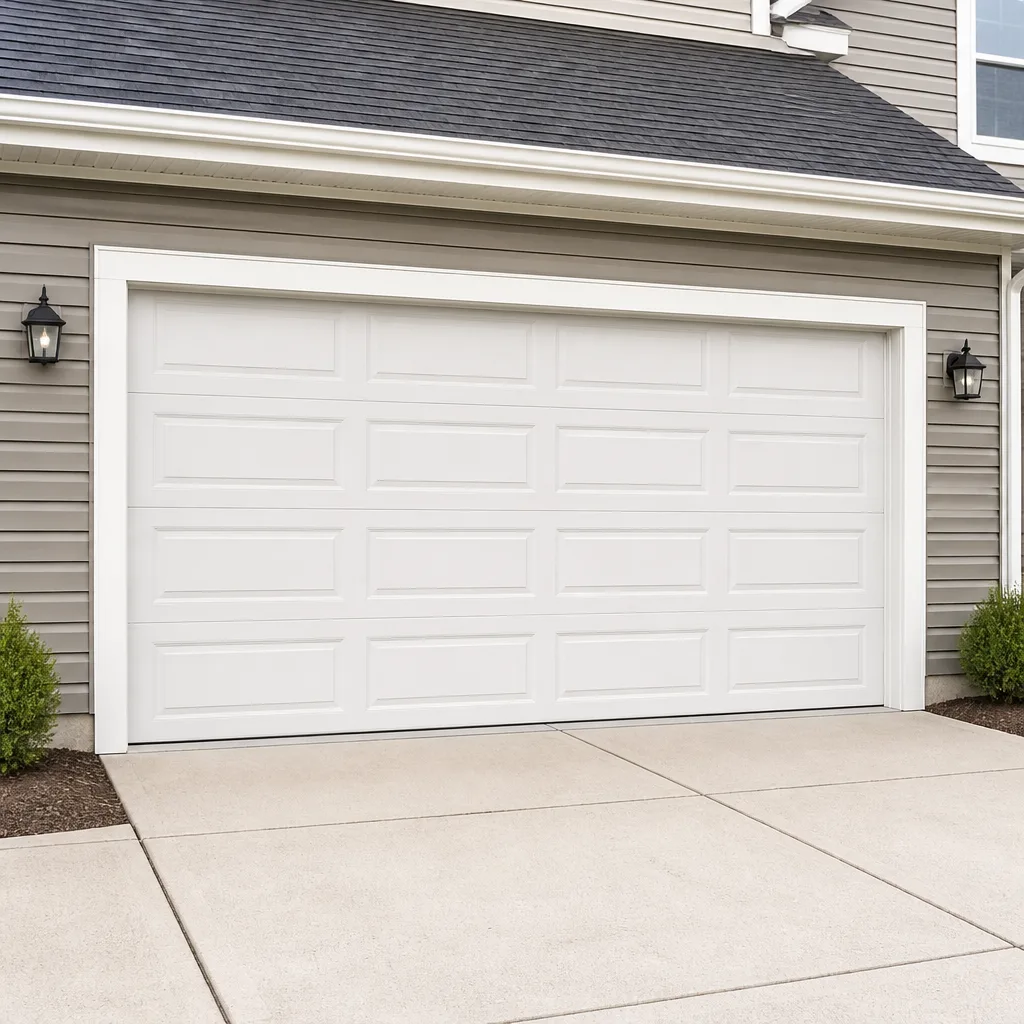 Raised-panel steel
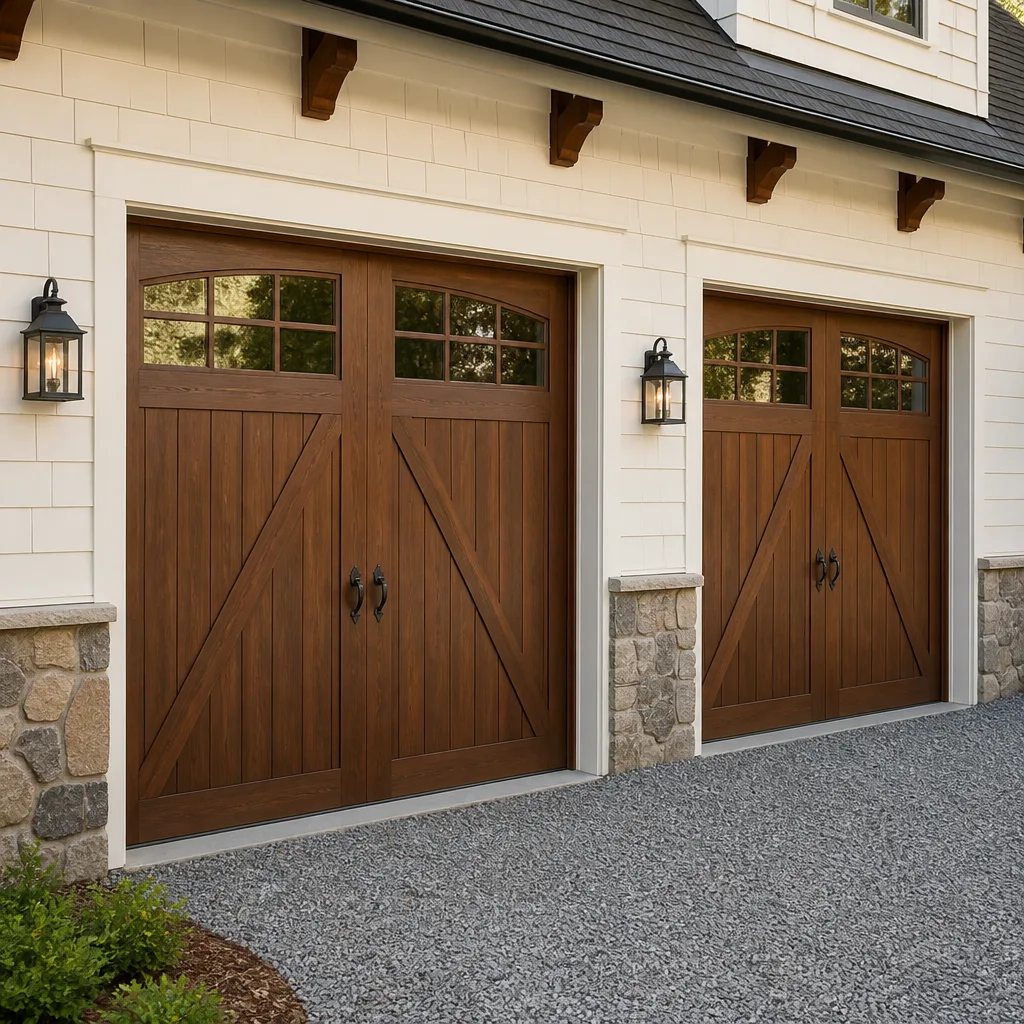 Carriage house
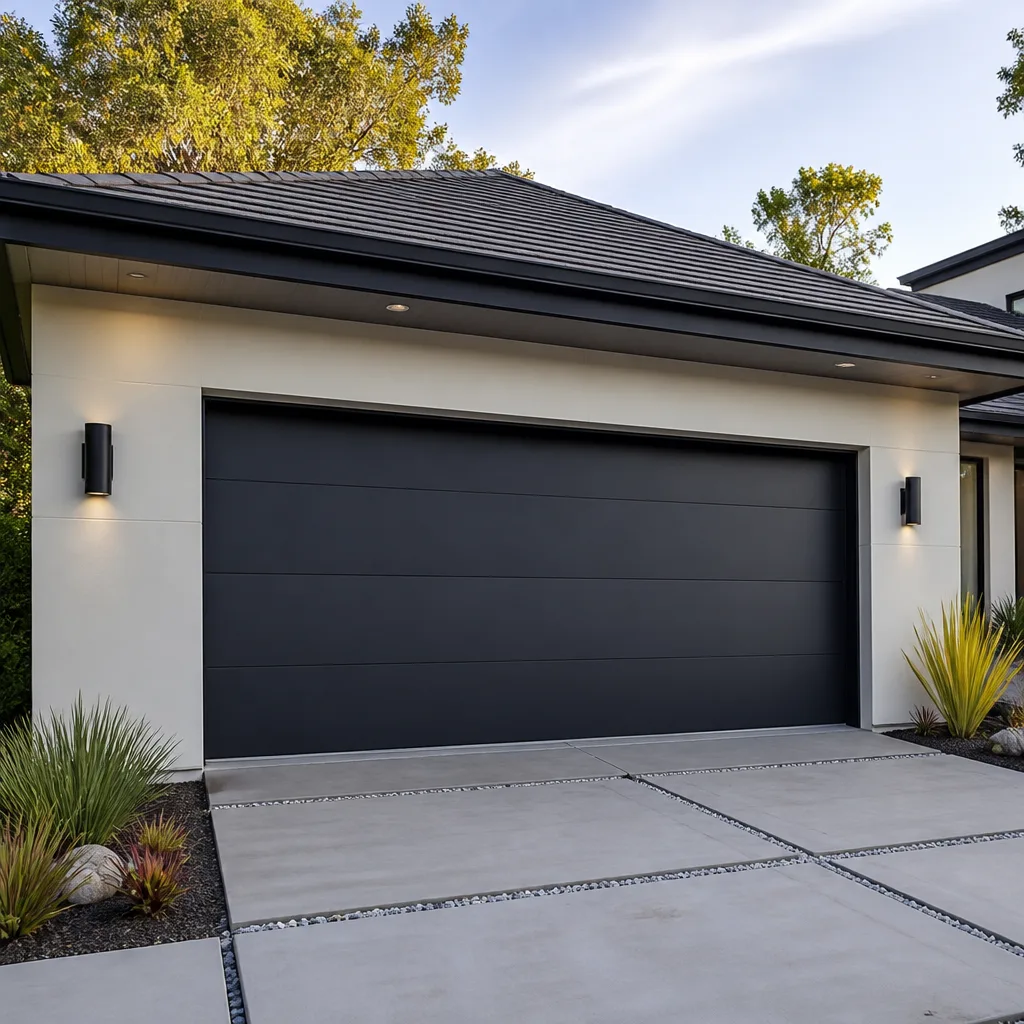 Modern flush
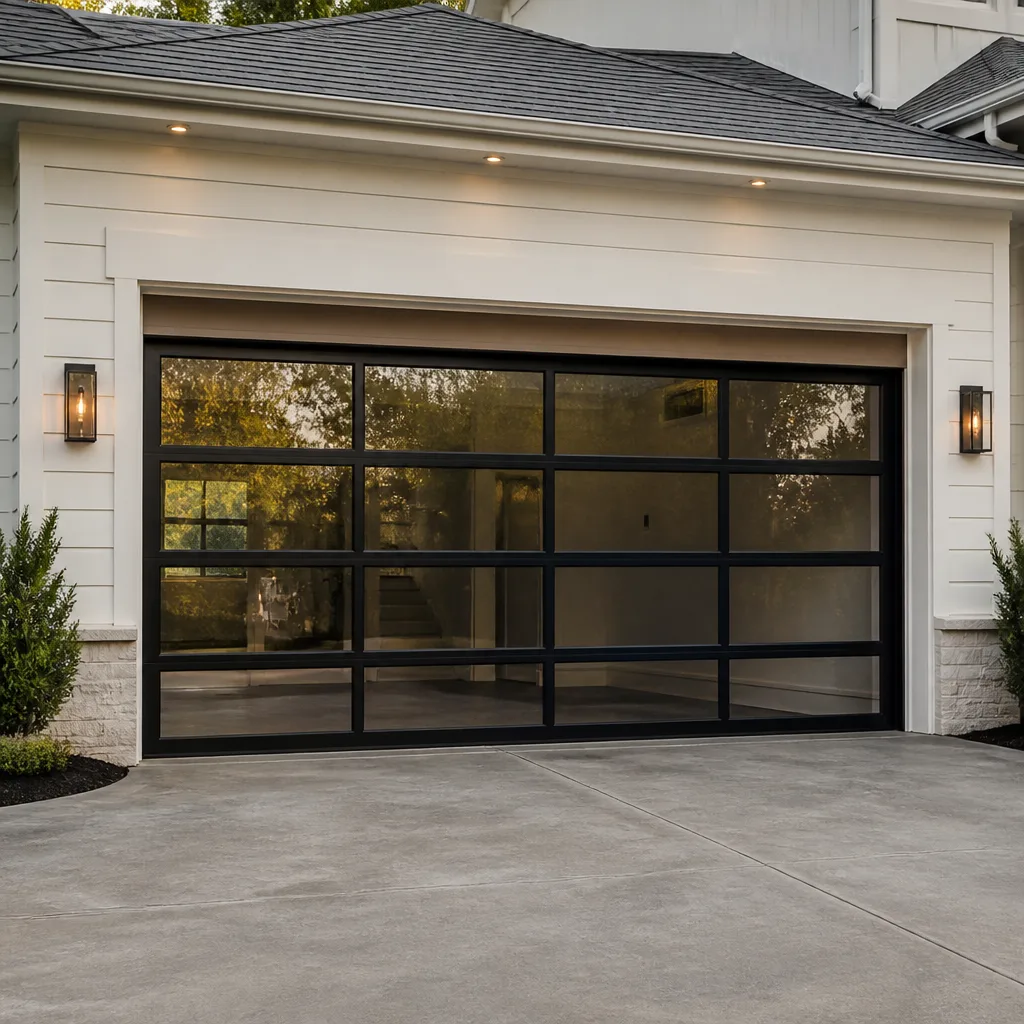 Full-view glass
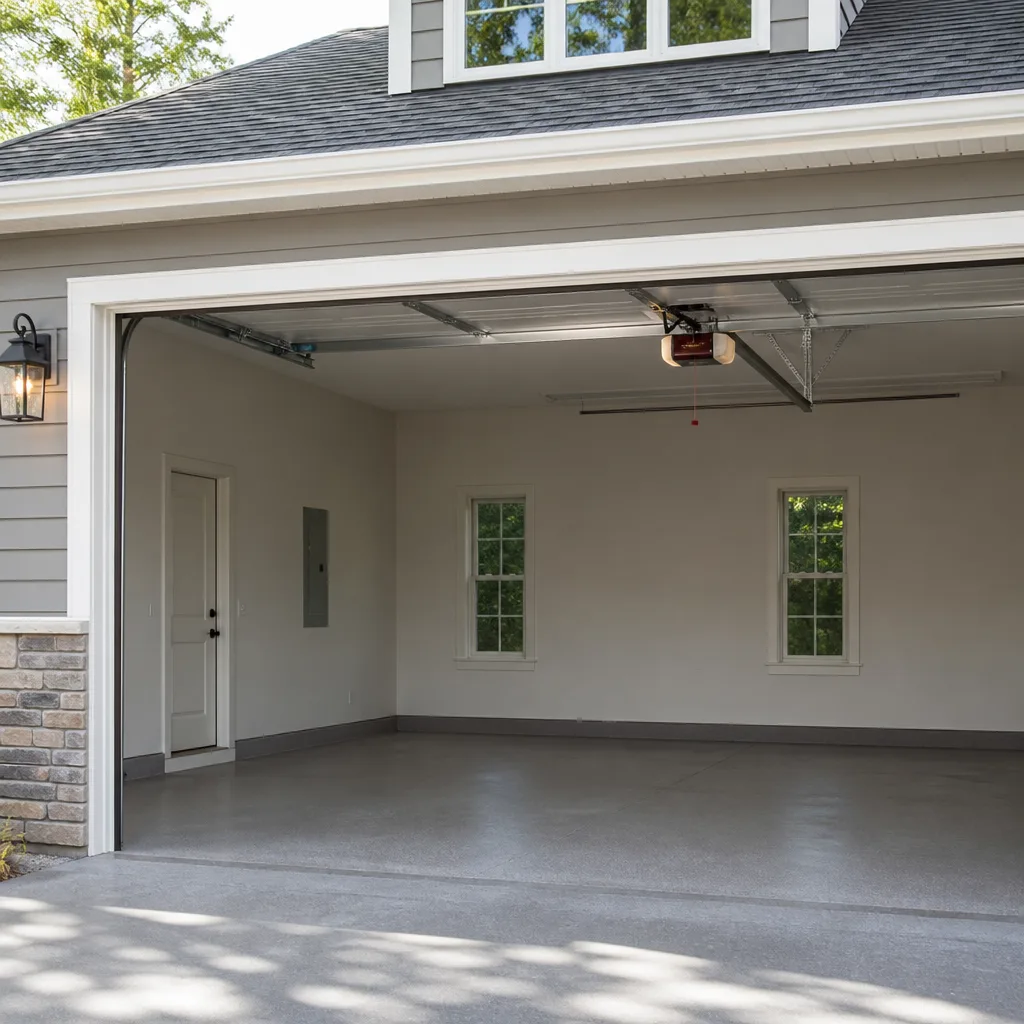 LiftMaster openers
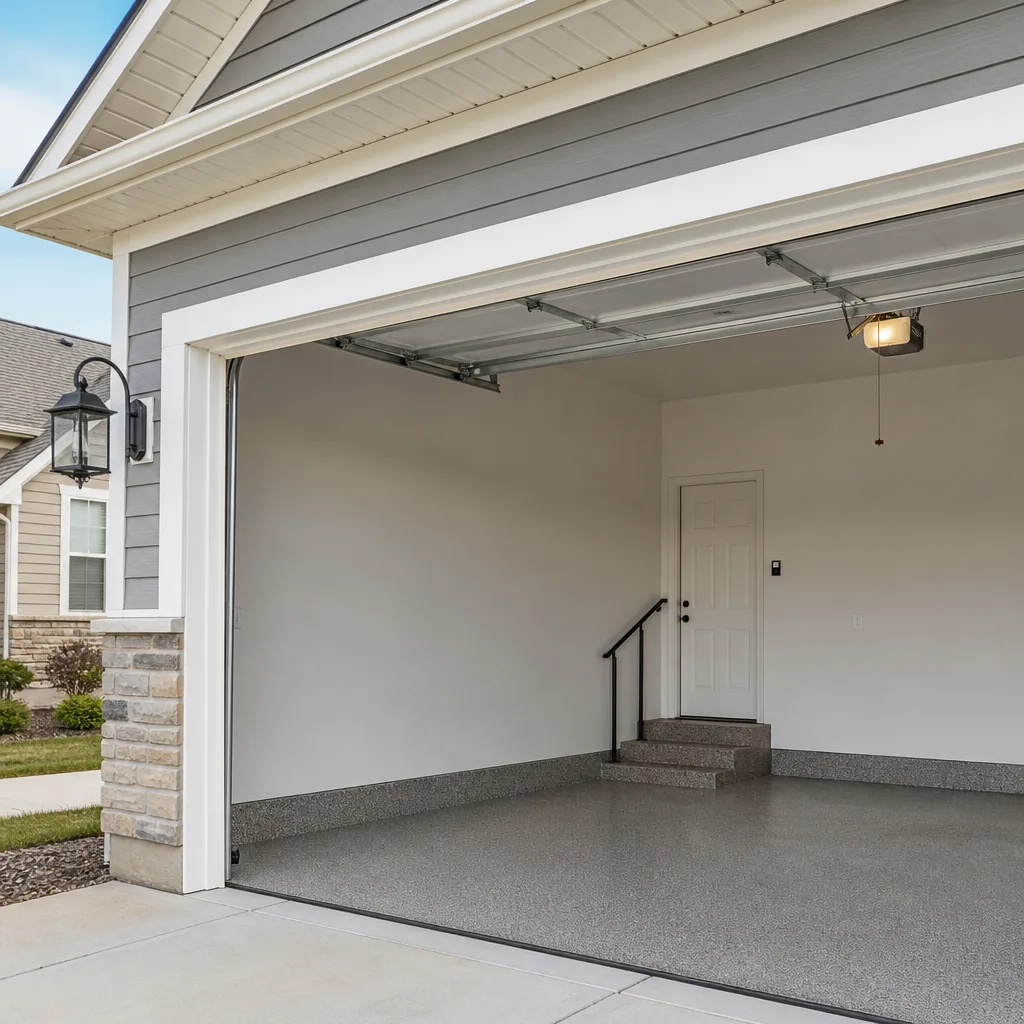 Chamberlain openers
Full 25-point door and opener safety check with every visit - springs, cables, rollers, tracks, and your LiftMaster or Chamberlain opener included
You get a price before we start. It does not change when the truck arrives.
Get your free estimateGarage Door Warning Signs: A Bellflower Homeowner’s Reference Guide
A garage door doesn’t snap a spring without warning. It telegraphs the failure for weeks, sometimes months, through a specific vocabulary of sounds, hesitations, and visual cues that most homeowners notice and then dismiss. That grinding noise on Tuesday becomes background by Friday. The door that shudders slightly on the way up gets normalized. By the time the spring actually breaks, the warning window has already closed, and what could have been a modest repair in Bellflower becomes an emergency replacement, often with a car trapped inside the garage.
This guide walks you through the early warning signs that appear 30 to 90 days before a garage door fails. You’ll learn what specific noises mean mechanically, which visual cues signal component fatigue, how to run a basic balance test safely, and which warning signs allow you to schedule service at your convenience versus which ones mean the door should not be operated until a technician arrives. Most important, you’ll learn how to translate what you’re seeing and hearing into a clear picture of what’s wearing out, so you can make an informed decision before the door makes it for you.
Quick Answer
The most common garage door warning signs in Bellflower are a door that’s heavier than it used to be, a grinding or squealing noise during operation, visible cable fraying near the bottom brackets, and an opener that hesitates or reverses without an obstruction. Any of these means a component is wearing out and should be inspected. A door that falls when released from the open position, or cables with visible broken strands, means the door should not be used until a professional has looked at it.
Styles & brands we work with
- Raised-panel steel
- Carriage house
- Modern flush
- Full-view glass
- LiftMaster openers
- Chamberlain openers
Table of Contents
- Audio Diagnostics: What Your Garage Door Is Telling You
- Visual Inspection Points Most Homeowners Never Check
- Opener Behavioral Warning Signs and What They Predict
- The Balance Test: Reading Spring Health Without Touching a Spring
- Urgency Tiers: Schedule, Don’t Use, or Stop Immediately
- What Bellflower’s Climate and Housing Stock Mean for Your Door
- Brand-Specific Notes: Genie, Clopay, Amarr, and Wayne Dalton
- Common Mistakes to Avoid
- When to Call a Professional
- Frequently Asked Questions
Audio Diagnostics: What Your Garage Door Is Telling You
Every garage door makes some noise. The question is whether the noise is the normal mechanical rhythm of a door doing its job, or a specific signature that points to a specific component. In our experience, most homeowners in Bellflower hear the sound correctly but misattribute it, which delays the fix and expands the damage. Here’s a working translation of the four noises that matter most.
Grinding, especially during the last few feet of travel: A grinding noise that gets worse as the door closes or opens usually points to worn rollers or a track that’s out of alignment. Rollers have bearings inside them, and when those bearings wear down, the roller stops rolling and starts sliding, which grinds metal against metal. On a door that’s never been serviced, we often find the rollers are original equipment, running dry for years. The fix is typically roller replacement and a track alignment, which is far less expensive than the damage done if a seized roller chews through a track.
Popping or banging from the torsion area, especially in the morning: A sharp pop right above the door when it first starts moving is almost always the torsion spring binding against itself. Torsion springs are under high tension, and as they age, the coils can shift slightly on the shaft, then snap back into place, producing that pop. It’s a warning sign that the spring is nearing the end of its service life. We never recommend a homeowner investigate this themselves; torsion springs store enough energy to cause serious injury if mishandled.
Squealing, high-pitched and sustained: Squeal is friction. It usually comes from the cable as it winds onto the drum, the hinge points that have lost lubrication, or the spring itself if the coils are rubbing. A dry squeal is often fixable with lubrication and minor adjustment. But a squeal that’s become metallic or raspy often means a component is already worn past the point of lubrication helping, and it’s time for a professional to look at the door system.
Rhythmic clicking during travel: A click that repeats at regular intervals as the door moves is typically a roller hitting a flat spot in a track, a loose hinge, or a cable that’s briefly snagging on a worn drum edge. The rhythm matches the point in the door’s travel where the problem lives. Clicking is usually early-stage, which means it’s the cheapest moment to address it, before the wear becomes structural.
These sounds are the door’s version of a check-engine light. Each one maps to a component, and each component has a repair cost that rises the longer you wait.
Visual Inspection Points Most Homeowners Never Check
You don’t need to be a technician to spot early wear on a garage door. You do need to know where to look. Most homeowners glance at the door panels and call it done. The components that actually fail, springs, cables, brackets, and rollers, live at the edges and above the door, where nobody looks until something breaks.
Cable fraying at the drum: The lift cables wrap around drums at each end of the torsion shaft. When the door is closed and the spring is under tension, the cable is tight against the drum. Look for loose strands, a cable that’s beginning to look fuzzy rather than smooth, or a cable that’s not sitting neatly in the drum groove. If you see individual wire strands poking out anywhere on the cable, the cable is already compromised. A cable with visible fraying is a safety stop; do not operate the door, because a snapped cable on one side turns the door into an uncontrolled load that can crash down or bind violently. This is one of the few warning signs that means immediate service, not scheduled service.
Bottom bracket cracks: The bottom brackets hold the cable ends and carry the door’s entire weight during operation. They’re bolted to the bottom panel, and over time, the stress of thousands of open-close cycles can start hairline cracks at the bolt holes or the cable attachment point. Cracks in a bottom bracket are hard to see from a distance, but if you get close with a flashlight, you can spot a dark line radiating from a bolt head. A cracked bracket can fail suddenly, releasing the cable and dropping one side of the door. This is a “don’t use the door” condition.
Roller wear flat spots: Steel rollers with worn bearings stop rolling freely and start to develop flat spots on the wheel surface. You can check the bottom rollers most easily. Run your eye along the wheel’s surface; a healthy roller is round and smooth. A worn roller has a visible flat area or a glazed, polished look where the wheel has been sliding in the track. Nylon rollers can show similar wear if the internal bearing has failed. Worn rollers put extra strain on the opener motor, which accelerates opener failure, one of the most common garage door opener repair calls we handle.
Early corrosion on torsion hardware: Bellflower’s climate is mild, but the garage environment itself can hold moisture, especially in homes where laundry or water heater venting adds humidity to the space. Look at the torsion spring, the bearing plates, and the bolt heads above the door. A light surface bloom of rust is cosmetic. Pitted rust, or rust that’s starting to flake, means the spring’s protective coating is failing and the spring steel itself is exposed. A rusted torsion spring weakens over time and will eventually break, and it always breaks when the door is fully closed, because that’s when spring tension is highest.
Checking these four points takes five minutes and requires no tools beyond a flashlight. If anything looks off, call a garage door repair professional for an inspection. An estimate is free, and catching cable or bracket wear before it fails is the difference between a modest repair and a full replacement.
Opener Behavioral Warning Signs and What They Predict
The opener is the command center of your garage door system, and its behavior under load tells you a lot about what’s happening mechanically with the door itself. Three behaviors in particular show up 30 to 90 days before a larger failure, and each one points in a different direction.
Hesitation on lift: When you press the button and the opener engages, the door should start moving within a second. If there’s a pause, a stutter, or the opener strains before the door begins to rise, that’s the motor working against more weight than it was designed for. The usual cause is a torsion spring that’s losing tension. As a spring ages, it doesn’t always break suddenly; sometimes it just stretches and loses force. The opener compensates, briefly, until the spring degrades further and the opener either trips its overload protection or burns out its motor. Hesitation on lift is an early spring warning. It’s also one of the most common reasons we’re called for garage door opener repair, and often the door spring is the root cause, not the opener itself.
Reversal without obstruction: Modern openers have safety reversing systems that send the door back up if the beam is interrupted or the door meets resistance. If your opener reverses mid-travel with nothing in the photo-eye path, that’s the system reading abnormal force. It typically means the door is binding, a roller is seizing, or the track has shifted, and the opener is doing exactly what it was designed to do: stop before something breaks. The problem isn’t the safety system, it’s the mechanical drag. If you keep overriding it, you’ll eventually strip the opener gear or tear a hinge out of the door.
Remote range drop: If you find yourself standing closer to the garage to get the remote to work, and you’ve already replaced the batteries, the issue is usually not the remote. A failing opener logic board can lose receiver sensitivity over time, but just as often, the range drop happens because the opener motor is working harder, generating more electrical noise, which interferes with the signal. The motor works harder when the door is heavier, which loops back to spring tension. A range drop accompanied by a door that’s slow or hesitant is a strong sign that the spring, not the remote, is the culprit.
Opener behavior is diagnostic data. Hesitation, reversal, and range drop each point to a different probable cause, and a technician who understands the whole door-and-opener system, not just the electronic box on the ceiling, can distinguish between them in one visit. That’s the difference between replacing a spring, replacing a logic board, or replacing a motor, three very different invoices.
The Balance Test: Reading Spring Health Without Touching a Spring
The single most informative diagnostic for a garage door is the balance test, and it’s safe to do as long as you follow one rule: you’re observing, not fixing. You never touch the spring, the cable, or any hardware under tension. You simply release the door from the opener and see what it does on its own.
Here’s the proper sequence:
- Close the door completely.
- Pull the red emergency release cord hanging from the opener rail. This disconnects the door from the opener carriage.
- Lift the door manually to about waist height, around three to four feet off the ground.
- Let go, slowly, and keep your hands near but not gripping the door, ready to catch it if it moves suddenly.
- Observe what the door does.
The results and what they mean:
- Door holds perfectly at waist height: The springs are doing their job. This is what a properly balanced door does. The spring system is carrying the door’s weight, and the door should also open and close smoothly with minimal effort.
- Door drifts up when released: The springs are over-tensioned or the door has lost something that counterweights it. In practical terms, the springs are working harder than they should, which shortens their life. This is a “schedule within two weeks” condition.
- Door drifts down slowly: The springs are beginning to lose tension. The opener is currently compensating, but it’s running hotter and working harder on every cycle. This is the classic 60-to-90-day warning window. Schedule service.
- Door falls quickly or drops: The springs have failed, or the cables have released. Do not operate the door. Do not try to lift it. A falling garage door can weigh 150 pounds or more, and it comes down fast. This is a safety stop, and the opener is not going to help you; call a professional.
A balanced door is the cornerstone of a long-lasting system. If you run this test and the door doesn’t hold, you’ve found the earliest possible warning that the spring, which does the real lifting, is nearing the end of its service life.
Urgency Tiers: Schedule, Don’t Use, or Stop Immediately
Not all warning signs are equal. Knowing the difference between a condition you can schedule around and a condition that makes the door unsafe to operate is the difference between a $200 fix and a $2,000 one, or worse, an injury. Here’s how we group the warning signs covered in this guide.
Tier 1: Schedule within two weeks
- Grinding noise that’s new but the door still opens and closes
- Squealing from dry hinges or rollers
- Rhythmic clicking during travel
- Door drifts up or down slightly in the balance test
- Opener hesitates briefly on lift
- Remote range is slightly reduced
These are early-stage issues. The door is functional. The component is wearing, but it hasn’t failed. Addressing them now means a short service call and a modest invoice, often just a roller replacement, a lubrication, or a spring adjustment.
Tier 2: Don’t use the door until serviced
- Visible fraying on any lift cable
- Cracks in a bottom bracket
- Opener reverses repeatedly without obstruction
- Door falls noticeably in the balance test
- A loud pop followed by the door becoming very heavy
These conditions mean a component has failed or is on the verge of failing while under load. The door may still operate, but every cycle is a gamble. A frayed cable that snaps mid-cycle can drop the door and damage the panels, the track, or a car. A cracked bracket can fail catastrophically. If you see any of these, leave the door closed if possible, use the pedestrian door to enter and exit, and call for service.
Tier 3: Safety stop, immediate attention
- A snapped cable with the door hanging unevenly
- A broken torsion spring, often announced by a loud bang like a firecracker
- The door falling freely or impossible to open manually
- Sparks, smoke, or a burning smell from the opener
These are emergency conditions. Do not try to operate the door. Do not try to re-engage the opener. Call a professional and tell them exactly what you observed. We answer 24/7, and fast dispatch from 7am to 7pm means a technician can usually reach a Bellflower home the same day.
What Bellflower’s Climate and Housing Stock Mean for Your Door
Bellflower’s garage doors live a specific life, shaped by the local climate and the housing stock that defines the city. Understanding that context helps you know what to watch for and when.
Bellflower’s mild, dry climate means the dramatic weather damage you hear about elsewhere, freeze-thaw cycles, ice, snow load, isn’t a factor here. What is a factor is the everyday thermal cycling of a mild climate: warm days, cool nights, and garages that heat up in direct sun. Door panels expand and contract. Hardware works loose. Cycle after cycle, year after year, a door that’s never been adjusted slowly drifts out of alignment. The wear is incremental, not dramatic, which is exactly why those subtle sounds and small hesitations matter so much. There’s no storm to blame it on; there’s just the slow accumulation of use.
The housing stock also matters. Bellflower has a large inventory of homes built in the mid-20th century, many with original or early-generation garage door hardware, including older Clopay and Amarr door lines and Genie and Wayne Dalton equipment from that era. Those doors were built well, but nothing lasts forever, and a torsion spring from the 1980s is living on borrowed time. If you own a home in one of Bellflower’s older neighborhoods, the balance test and a hardware inspection cost you nothing and can tell you a lot about what’s original and what’s already been replaced.
Another local factor is parking stress, which is less about the door than about the driver. Bellflower’s tighter lots and alley-loaded garages mean doors get opened and closed more often than in cities with expansive driveways. Every open-close encounter is a full mechanical cycle, and the spring has a finite number of those before it fails. A spring rated for 10,000 cycles lasts 10 years for the homeowner who uses the door twice a day, and 5 years for the household that’s in and out four times a day. If your garage is the primary entry point for the family, your door is aging faster than the one across the street that only moves on weekends.
Brand-Specific Notes: Genie, Clopay, Amarr, and Wayne Dalton
One of the frustrations we hear constantly is the homeowner who says, “I don’t know what brand my door is.” That’s a problem when the company you call only really knows one brand. We work on your brand, whatever it is, but a few of the names we see most often in Bellflower have their own typical failure patterns worth knowing.
Genie openers have a long service history and a lot of them are still running in Bellflower homes. The failure pattern we see most often on older Genie units is drive gear wear, especially the worm gear that translates motor rotation into chain or screw drive movement. It strips gradually, producing a grinding sound and a door that starts to hesitate. The logic boards on Genie units are generally reliable, which means a hesitation on a Genie opener is more often mechanical than electronic.
Clopay doors are extremely common, both original installations and replacements. Clopay’s steel door lines hold up well in Bellflower’s climate, but the hardware, springs, rollers, hinges, is often the original equipment and ages out before the panels do. A Clopay panel will go decades; the spring on the same door is a wear item with a service life. We see Clopay doors with beautiful, intact panels and completely spent hardware, and the fix is hardware replacement, not a new door.
Amarr doors have a similar profile: solid panel construction, hardware that wears in predictable ways. On Amarr residential doors, the roller and hinge system is the usual first failure point, and because Amarr uses some model-specific hinge geometries, working on them without the right parts means forcing something that doesn’t fit. A technician who knows the brand arrives with the right hardware the first time.
Wayne Dalton doors have one of the most distinctive residential systems on the market: the TorqueMaster spring, which houses the torsion spring inside a tube rather than on an exposed shaft. It’s a safe, clean design, but it fails differently than a standard torsion spring, and diagnosing it requires knowing what you’re looking for. A TorqueMaster failure often presents as a door that suddenly feels very heavy with no visible broken spring, because the spring is hidden inside the tube. If a Wayne Dalton door fails a balance test and you don’t see an external spring, that’s the reason.
The point here isn’t to make you an expert on four brands. It’s to show that the warning signs in this guide express themselves slightly differently depending on what’s mounted to your ceiling and installed in your tracks. Diagnosed and fixed in one visit is the standard, not the exception, when the person on site actually knows the brand.
Common Mistakes to Avoid
- Lubricating a failing spring to quiet it down. If a torsion spring is making noise because the coils are binding or the spring is nearing failure, lubrication masks the symptom without fixing the cause. You’ve silenced the warning bell, not the problem the warning bell was announcing.
- Keeping the opener engaged when the door is off balance. The opener is not designed to lift an unbalanced door. Running it that way overheats the motor and strips the gear, which converts a spring job into a spring job plus an opener job.
- Replacing the opener when the spring is the actual problem. We see this at least once a month in Bellflower. A homeowner pays for a new opener, the door still struggles, and it turns out the spring was losing tension all along. The balance test costs nothing and tells you which part to suspect first.
- Ignoring a frayed cable because the door still works. Cables fail suddenly and completely. There’s no gradual decline from a cable with broken strands to a broken cable; it’s a threshold. Once you can see the fraying, you’re past the point of scheduling at your leisure.
- Trying to reset or reprogram an opener that’s reversing due to mechanical binding. The safety reverse is doing its job. Reprogramming the force settings to push through the resistance defeats a safety system and stresses every component in the chain. Find the binding, fix the binding, and the reversal stops on its own.
- Assuming an old door needs full replacement when the hardware is what’s worn. Many Bellflower homeowners have been sold a new door when the panels were fine and the springs, rollers, and cables were simply past their service life. A hardware replacement is a fraction of the cost of a new door, and a competent technician can tell you which one you actually need.
When to Call a Professional
If the balance test shows the door drifting or falling, if any cable shows broken strands, if you hear a loud bang from above the door, or if the opener is reversing without cause, call a professional. These are specific conditions where continued use is either destructive to the system or dangerous to you. The garage door is the largest moving object in your home, and the springs and cables that move it are under enough tension to cause serious injury if they fail while you’re nearby.
Colonial Garage Door Repair offers free estimates in Bellflower. We work on your brand, and our technicians arrive with the parts and knowledge to diagnose and fix the issue in one visit, whether it’s the door panel itself, the opener, or the full system. Call (833) 598-2561. We answer 24/7. Fast dispatch from 7am to 7pm, Sunday through Friday.
Frequently Asked Questions
Most torsion spring replacements in Bellflower run from roughly $180 to $340 per spring, and a matched pair is usually replaced together, so expect about double that range for a typical two-spring system. The final price is set by the written estimate before any work begins, and it depends on the spring size, door weight, and whether other hardware is worn. Call (833) 598-2561 for a free estimate.
Yes, same-day service is available for most repairs. We answer 24/7, and fast dispatch from 7am to 7pm, Sunday through Friday, means a technician can usually be at your Bellflower home within hours of your call.
No. The price is quoted and agreed before any work starts. That is the price you pay. If the technician finds additional issues while working, you’ll be told before anything else is authorized, and you’ll have a new agreed price or you decline the extra work.
A hesitation on lift usually means the door is heavier than the opener expects, which points to a torsion spring that’s losing tension. The opener motor is working against that extra weight on every cycle. It can also indicate a stripped drive gear, especially on older Genie or Chamberlain units. A technician can tell you which one in about ten minutes.
Yes. We arrive with springs, cables, rollers, hinges, and opener parts for the major brands, including Clopay, Amarr, Wayne Dalton, Genie, LiftMaster, and Chamberlain. No guesswork, no wrong parts, no wasted visits. Diagnosed and fixed in one visit is the standard.
A noisy door isn’t automatically dangerous, but it is almost always a warning. Grinding points to worn rollers, popping to spring coil issues, and squealing to friction. None of these noises go away on their own, and most become more expensive the longer they’re ignored. A quick inspection can tell you whether you’re dealing with a maintenance item or a safety item.
The Bottom Line
A garage door doesn’t fail without warning. The signs are there, in the sounds it makes, the way it moves, and what you can see if you know where to look. The balance test tells you more about spring health than any other single check, and the urgency tiers tell you what to do with what you find. Bellflower’s mild climate and aging housing stock make hardware wear a slow, steady process that rewards early attention and punishes neglect. If you’ve heard a noise you can’t explain, or the door just doesn’t feel right anymore, call (833) 598-2561. We answer 24/7. Fast dispatch from 7am to 7pm, Sunday through Friday. Your door. Your opener. One call.
Written by the team at Colonial Garage Door Repair, serving Bellflower since 2013.
See the difference
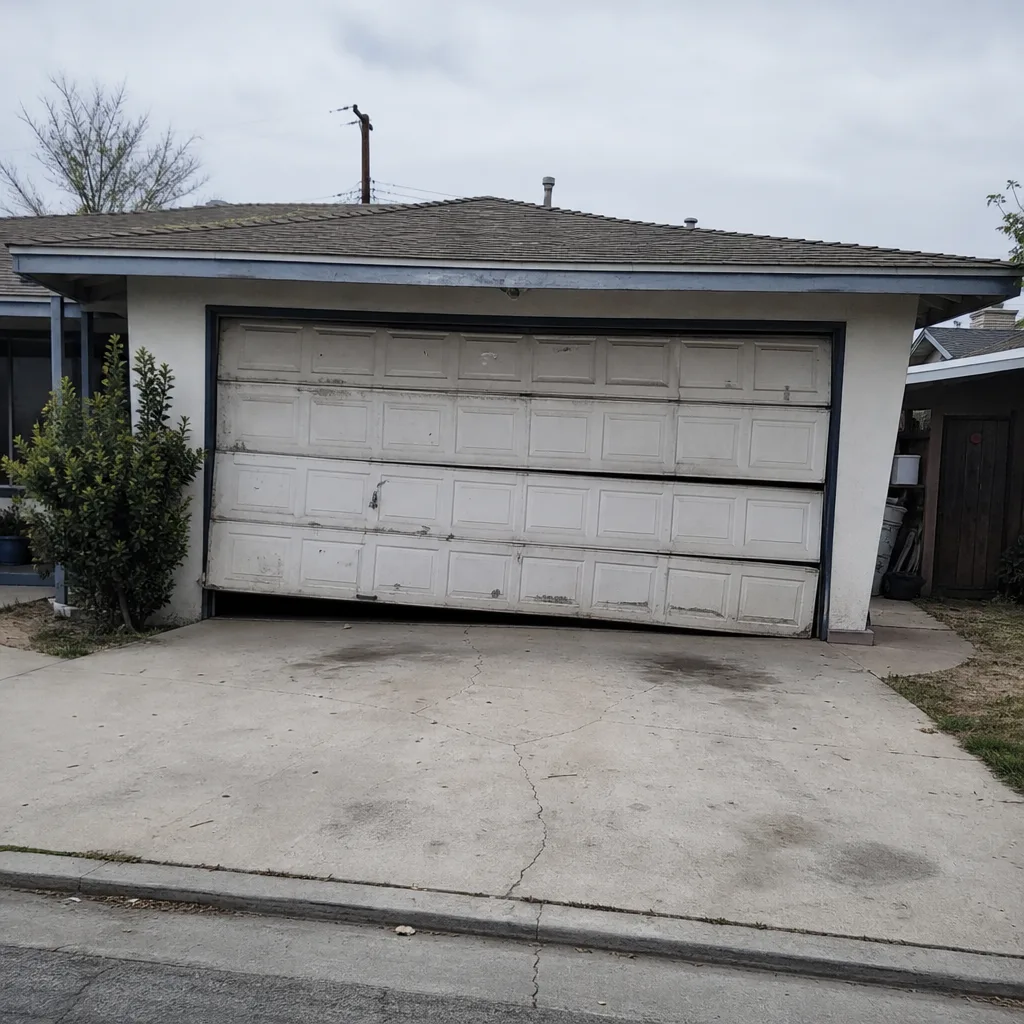 Before
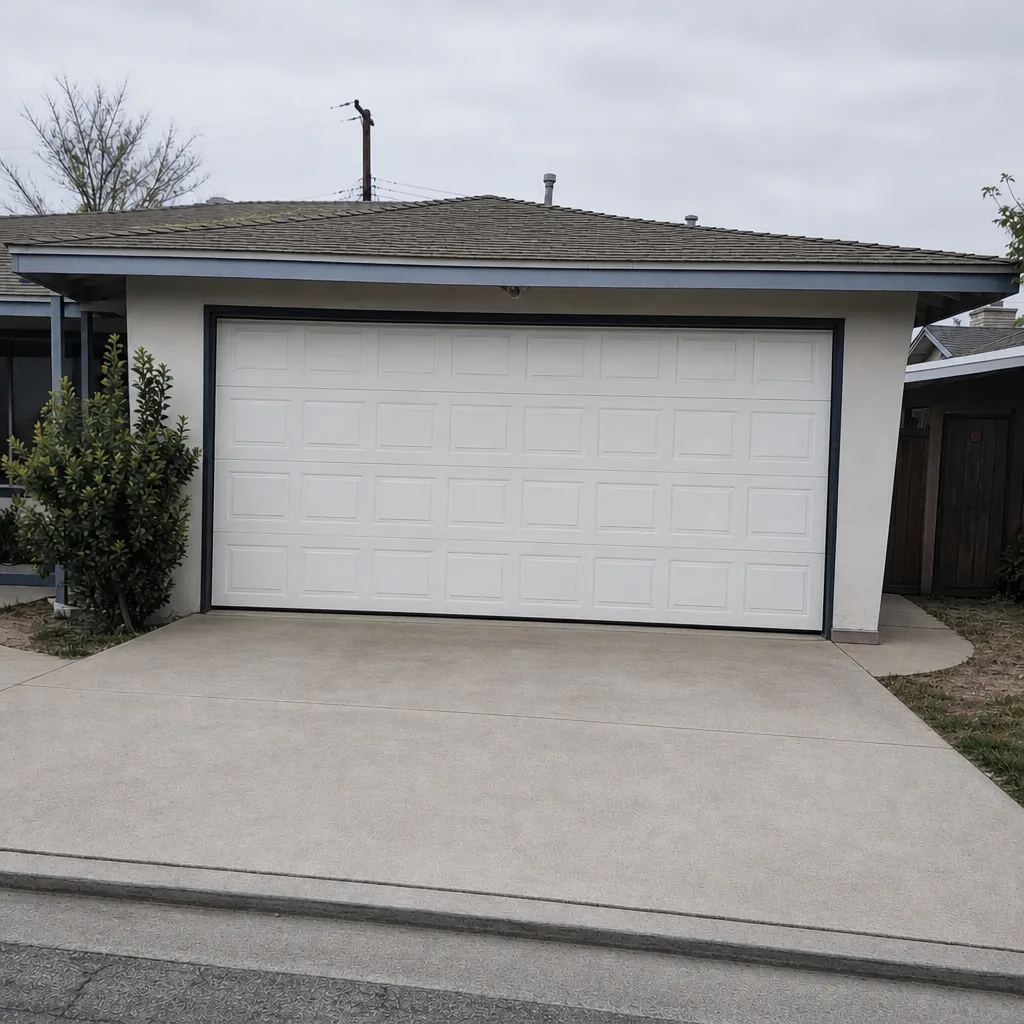 After
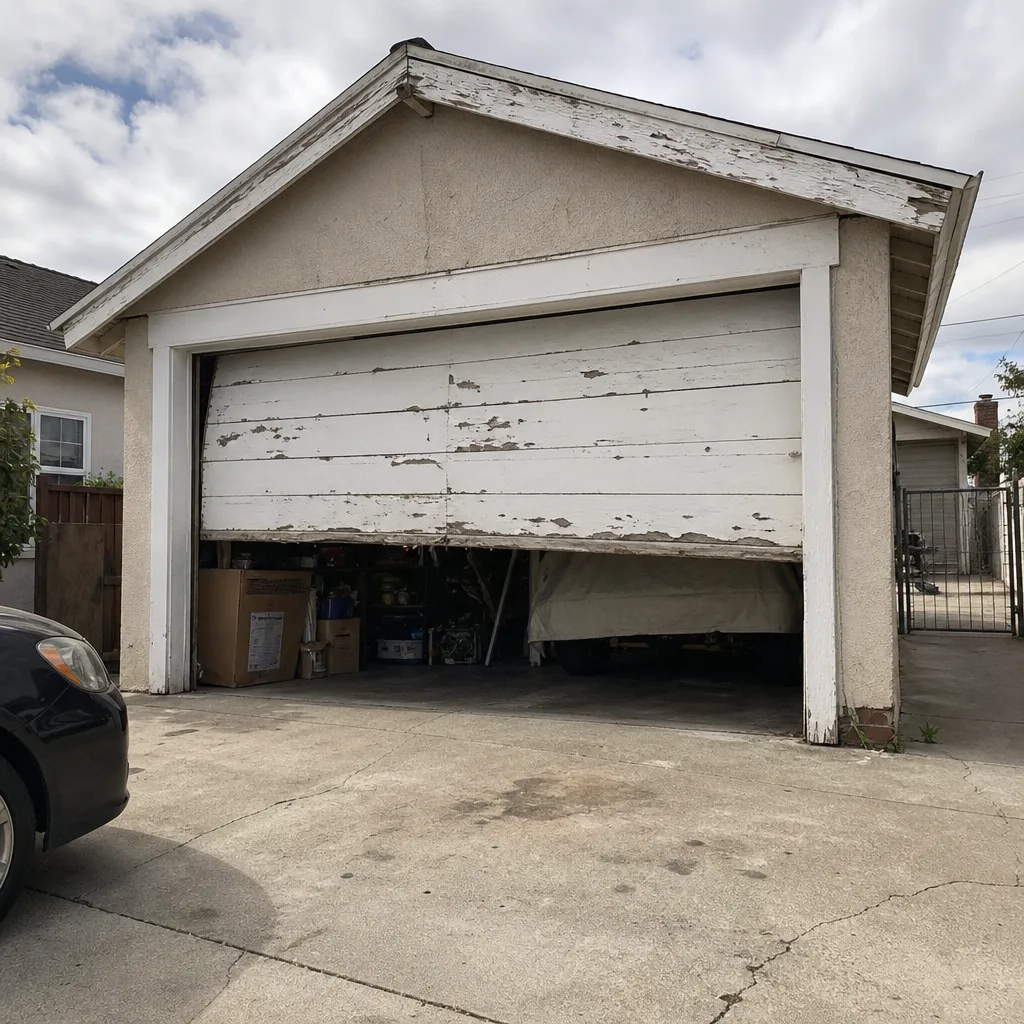 Before
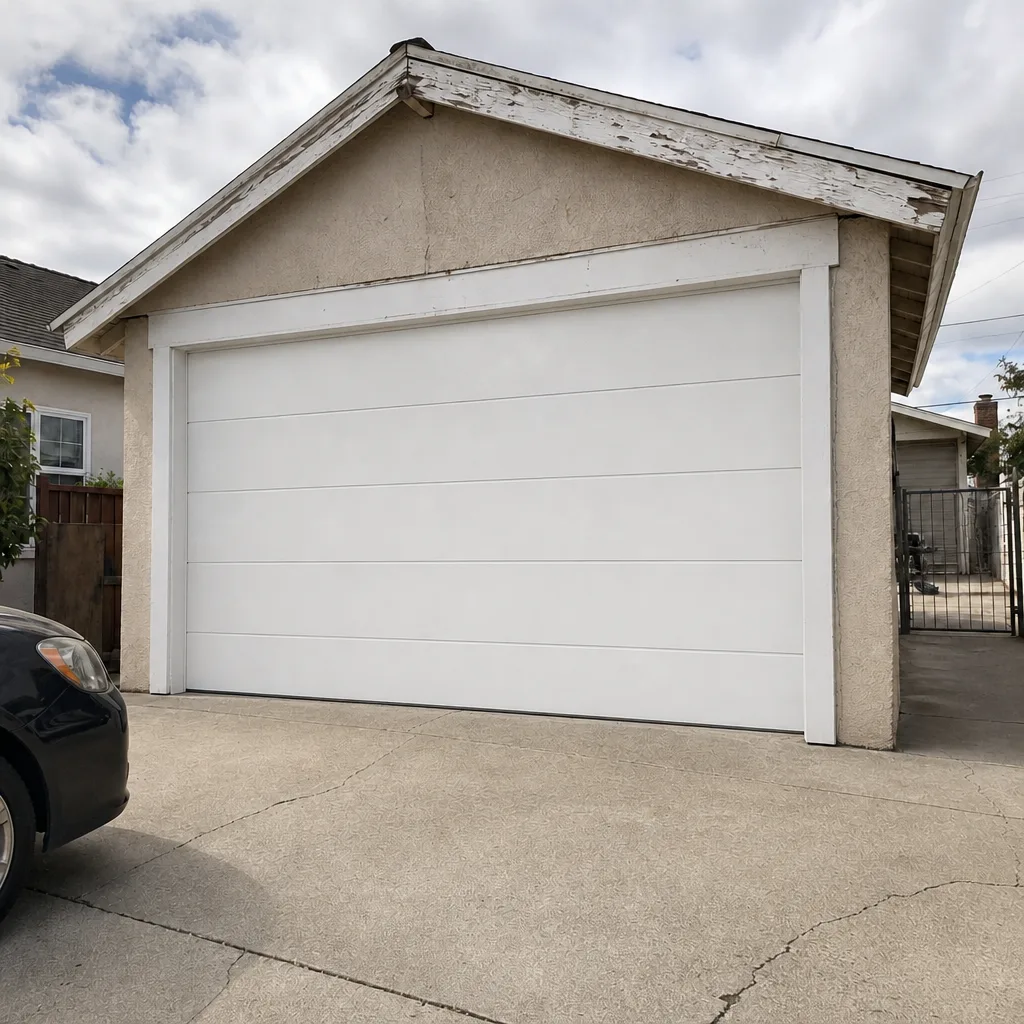 After
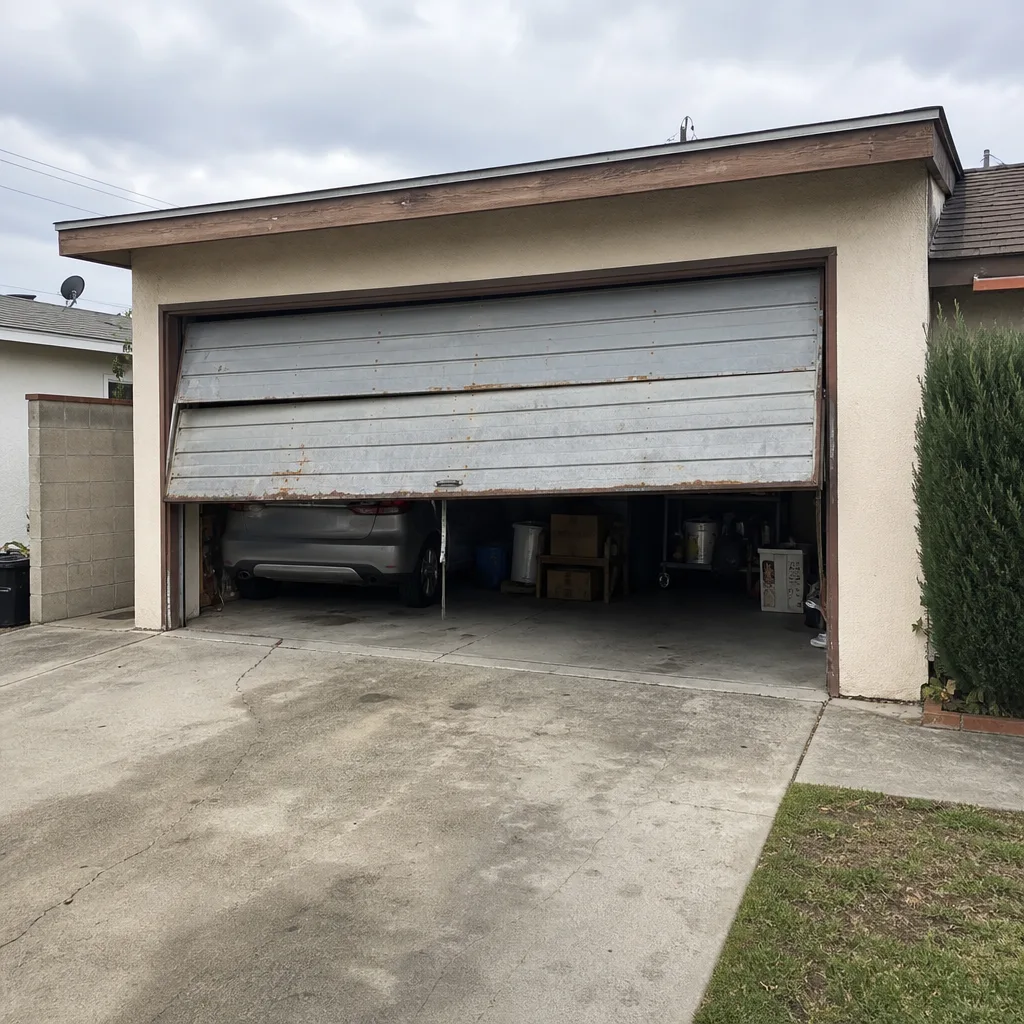 Before
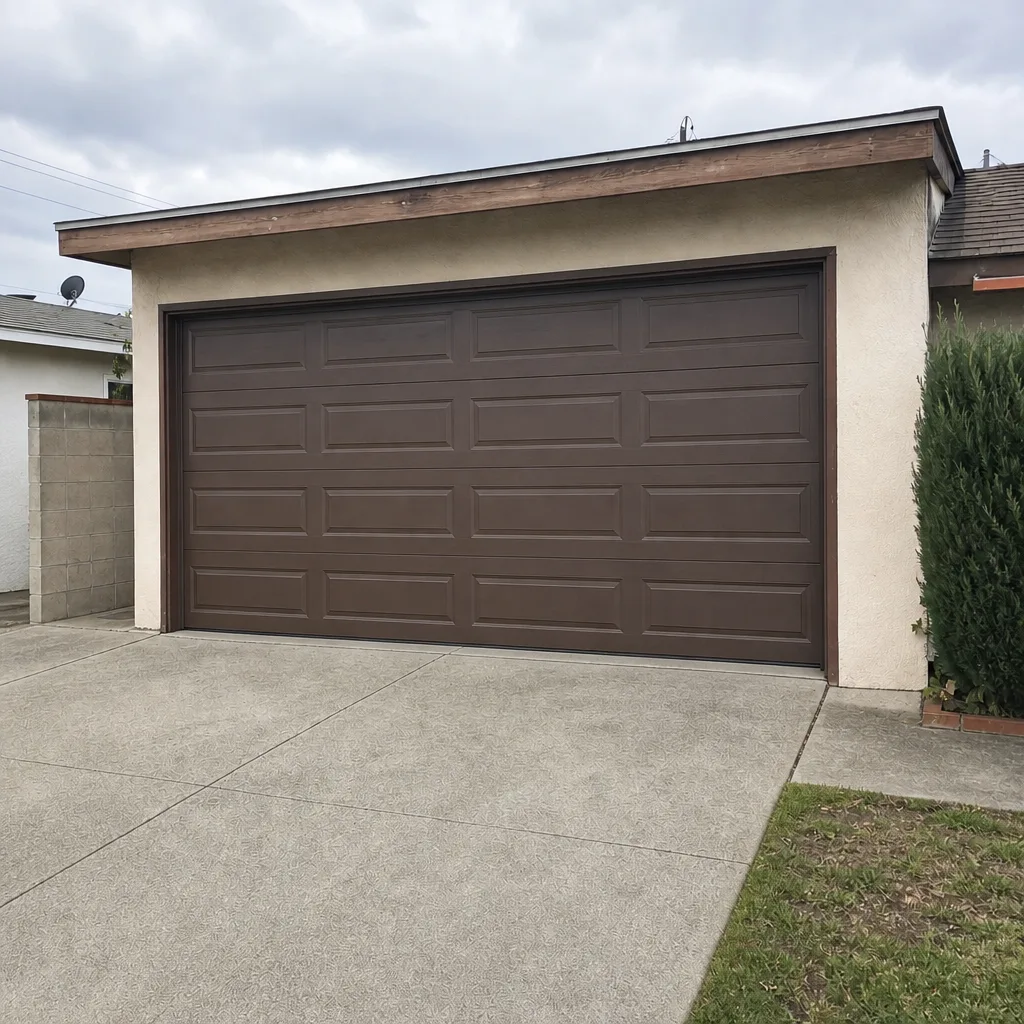 After