
Last updated November 4, 2026
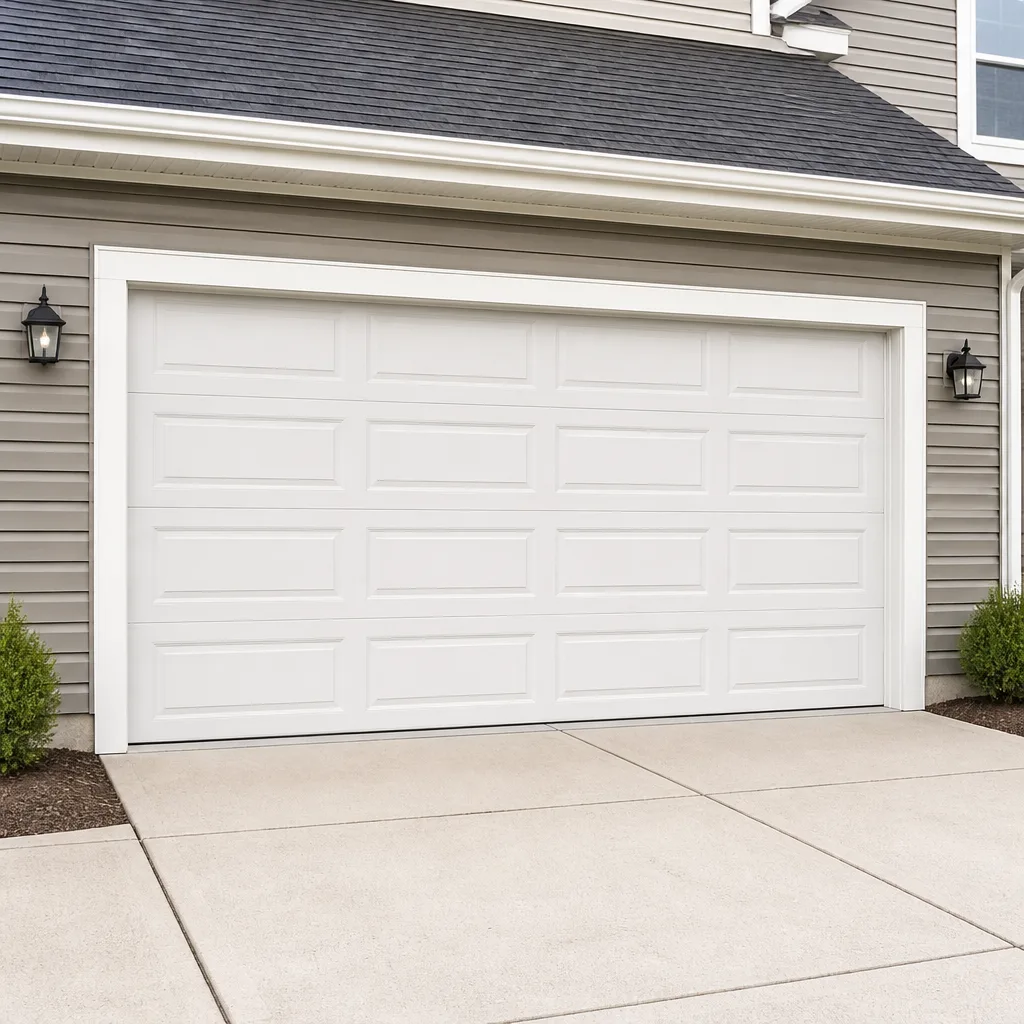 Raised-panel steel
 Carriage house
 Modern flush
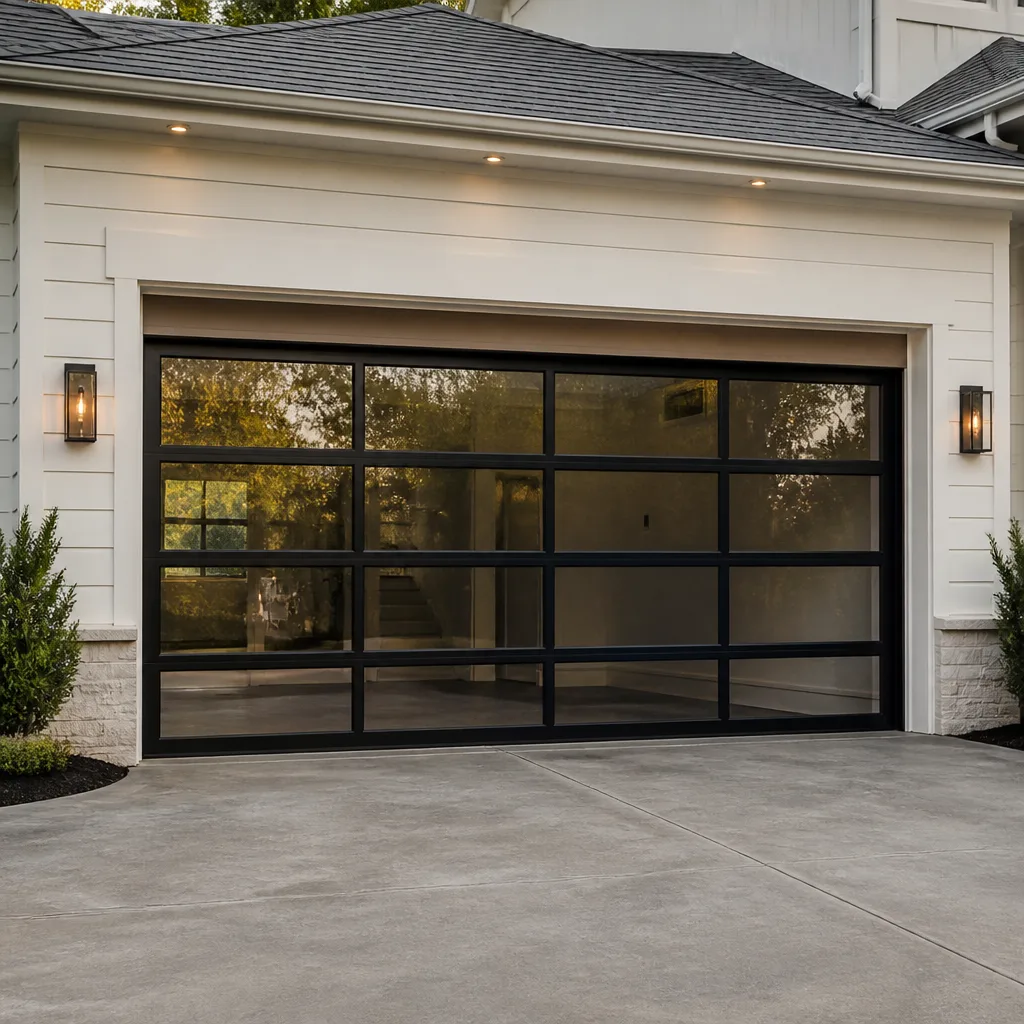 Full-view glass
 LiftMaster openers
 Chamberlain openers
Full 25-point door and opener safety check with every visit - springs, cables, rollers, tracks, and your LiftMaster or Chamberlain opener included
You get a price before we start. It does not change when the truck arrives.
Get your free estimateSeasonal Garage Door Care for Bellflower: Year-Round Homeowner’s Guide
Most Bellflower homeowners skip winter garage door prep because it doesn’t snow here. But December through February is when thermal contraction tightens springs beyond factory spec and opener motors work hardest, which is exactly when failures spike. This guide explains the four real mechanical stress periods Bellflower doors face, what each one does to specific components, and the monthly tasks that prevent the two or three breakdowns most homeowners experience as random but are entirely predictable. You’ll learn what to check, when to check it, and which jobs genuinely need a technician.
Styles & brands we work with
- Raised-panel steel
- Carriage house
- Modern flush
- Full-view glass
- LiftMaster openers
- Chamberlain openers
Quick Answer
Seasonal garage door care in Bellflower means addressing four mechanical stress periods: Santa Ana wind and dust months, peak UV summer, marine layer humidity, and cool winter contraction. The essential yearly tasks are lubricating rollers and hinges twice a year, checking and cleaning weatherseals every three months, testing auto-reverse monthly, and tightening hardware before winter. A consistent schedule prevents roughly 80% of the failures we see as “sudden” breakdowns.
Table of Contents
- Bellflower’s Four Mechanical Stress Periods
- Spring: Post-Winter Recovery and Marine Layer Prep
- Summer: UV Damage and Lubricant Evaporation
- Fall: Santa Ana Preparation and Debris Clearing
- Winter: Thermal Contraction and Opener Strain
- The Bellflower Seasonal Garage Door Calendar
- Brand-Specific Seasonal Notes
- Common Mistakes to Avoid
- When to Call a Professional
- Frequently Asked Questions
- The Bottom Line
Bellflower’s Four Mechanical Stress Periods
Bellflower doesn’t get four classic seasons. Gardeners know this. But your garage door does experience four distinct stress periods that have nothing to do with snow or leaves changing color. Understanding these is the difference between a door that runs quietly for 15 years and one that breaks on a Tuesday morning when you’re already late.
First comes the Santa Ana wind period, typically October through February. Dry, gusty air pushes dust and fine grit into every gap in your track system. This grit mixes with existing lubricant to form an abrasive paste that accelerates roller wear. Second is peak UV summer, June through September, when direct afternoon sun bakes weatherseals and dark-painted door panels. Third is the marine layer humidity period, most pronounced May through July, when morning moisture sits on metal hardware and promotes surface corrosion on unsealed components. Fourth is cool-contraction winter, December through February, when overnight lows in the 40s tighten torsion springs and make opener motors work measurably harder.
Each stress period has a signature failure mode. Santa Ana grit seizes rollers. Summer UV cracks bottom seals and fades panels unevenly. Marine layer humidity rusts hinges and bearing plates. Winter contraction over-tightens springs and trips opener force settings. When a garage door repair call comes in during these windows, we can usually trace the root cause to the season that preceded it.
None of this is exotic. It’s mechanical physics applied to a metal assembly that cycles thousands of times per year. The good news: most of it is preventable with about 20 minutes of attention per season.
Spring: Post-Winter Recovery and Marine Layer Prep
Spring in Bellflower is really two things: the tail end of the cool contraction period and the ramp-up of the marine layer. March and April are when you recover from whatever winter did to your springs and prepare your hardware for months of morning humidity.
What to Do in March and April
Start with the springs themselves. If your door was sluggish or noisy through January and February, spring is the right time to have spring tension measured. That’s a technician job, not a DIY one. Torsion springs store enough energy to cause serious injury if mishandled. We check spring tension on nearly every call this time of year, and it’s often the difference between a door that works and a door that works well for the next nine months.
Next, address any surface corrosion that appeared during the marine layer’s early weeks. Look for rust dust around hinges, bearing plates, and the bottom of vertical tracks. A dry rag followed by a light application of white lithium grease on the hinge pins prevents that corrosion from becoming binding friction. Do not grease the track itself. The rollers ride on bearings, not on a lubricated rail, and grease in a track just attracts Bellflower’s spring dust.
Finally, run the auto-reverse test. Place a 2×4 flat on the ground under the door’s path and close the door. It should reverse within 2 seconds of contact. If it doesn’t, the opener senses too much resistance before reversing, which means it could fail to protect a child or pet. This test matters year-round, but after the cool season’s travel-limit drift, spring is when most openers need a sensitivity adjustment.
Summer: UV Damage and Lubricant Evaporation
Bellflower summers are not the hottest in Southern California, but the sun angle and duration do real work on exposed door components. The bottom seal, the paint, and the lubricant are all consumables. Summer is when they get consumed.
UV Degradation of Weatherseals
The rubber bottom seal on a garage door has a service life of 2 to 5 years in Bellflower’s sun, but only if you check it. Ultraviolet light hardens the rubber until it loses flexibility, then it cracks. Once cracked, it stops sealing. You get dust entry, water intrusion during the occasional heavy rain, and a persistent gap that insects and rodents exploit. Check the seal every June by running your hand along its length with the door closed. Look for flat spots, cracks, or a top edge that has pulled away from its retainer. A replacement bottom seal is one of the least expensive preventive repairs on a garage door, and one of the most commonly skipped.
Dark-Painted Doors Need a Panel Gap Check in August
If your door is black, dark brown, deep blue, or any other dark color, August is your critical month. Dark panels absorb solar heat and expand measurably during the day, then contract at night. Over many cycles, this thermal movement loosens the panel-to-panel hardware and shifts the panel seams. By late summer, some dark doors in Bellflower show a visible gap change between top and bottom panels. Walk the interior of your door in August and sight down each hinge stile. If you see daylight through a panel seam that was tight in May, the panel geometry has shifted. This is a fastener and strut issue, and it’s worth addressing before the fall wind season puts additional lateral load on the shifted panels.
Lubricant Evaporation in Heat
Garage door lubricants are formulated for specific temperature ranges. In Bellflower’s summer heat, lighter spray lubricants evaporate faster than in coastal communities to the west. The result is a door that starts the summer quiet and ends it with a dry, rattling sound on every cycle. The fix is simple: use a dedicated garage door lubricant (not WD-40) on roller bearings, hinge pins, and the torsion spring coil every June and again in September. Two minutes with a can prevents the metal-on-metal wear that eventually demands new rollers.
Fall: Santa Ana Preparation and Debris Clearing
Fall is the most important season for Bellflower garage door maintenance, and it’s the most neglected. October marks the start of Santa Ana season. The dry winds that define autumn in the LA Basin do two things to your door: they push fine dust into the track system, and they coat the horizontal surfaces with enough grit to accelerate every moving part’s wear.
The first fall task is clearing debris from the bottom seal and the track channels. Use a broom or vacuum to remove leaves, dust, and anything else that collects in the bottom track corners. Pay special attention to the area behind the vertical track where the door’s bottom rollers sit when closed. This is a dirt trap on most Bellflower homes, and it’s where grit accumulates until the roller physically can’t rotate freely.
The second fall task is checking auto-reverse sensitivity before the doors get sluggish in cooler temperatures. This is a repeat of the spring test, but it’s more important in fall. When a torsion spring loses a fraction of its tension during the cool contraction period, the opener compensates by applying more force. More force means more resistance before the opener reverses. If you check the reversal threshold in October, before the coldest mornings, you have a baseline for winter performance.
The third task is tightening hardware. Santa Ana winds don’t blow directly on a closed garage door, but they create pressure differentials that can make a slightly loose door rattle and flex. A socket wrench on the hinge bolts, track brackets, and roller carriers takes 15 minutes and prevents the kind of gradual loosening that ends with a roller jumping the track during a gusty afternoon.
- Clear the bottom seal and both lower track corners of all debris.
- Run the auto-reverse test twice and confirm reversal within 2 seconds.
- Hand-tighten every hinge bolt and track bracket bolt you can reach.
- Lubricate rollers, hinges, and springs with a dedicated garage door lubricant.
Winter: Thermal Contraction and Opener Strain
Here’s the counterintuitive part about winter in Bellflower. It doesn’t freeze. It doesn’t snow. The overnight lows usually sit in the mid-40s. But that’s exactly the temperature range where the steel in a torsion spring contracts enough to measurably increase its tension. A single-digit temperature drop doesn’t matter much. A 30-degree drop from a 75-degree afternoon to a 45-degree morning does.
That additional spring tension means the opener motor draws more current on every cycle until the door warms. If your opener worked fine all summer, then starts tripping its force limiter or reversing mid-cycle on winter mornings, this is why. The opening force required in cold conditions exceeds what the opener’s travel and force settings allow.
The homeowner-level fix is adjusting the opener’s travel limits and force settings to the season. Most modern LiftMaster, Chamberlain, Genie, and Craftsman openers have a small adjustment screw or digital menu for this. We tell our Bellflower customers to make small adjustments on a cold morning, when the door is at its tightest. Find the travel-limit setting that allows full open and close travel without stalling, then run the auto-reverse test again. If the door still reverses before touching the ground, increase the closing force setting incrementally until it closes firmly but reverses on the 2×4 test.
If this sounds like more than you want to handle, it’s a two-minute job for a technician. We do seasonal opener adjustments for Bellflower homeowners every winter. It’s one of the most common calls we field from Thanksgiving through February. For those with Wayne Dalton, Raynor, or other door brands paired with an aftermarket opener, the adjustment is the same principle: set force to the minimum required for cold-weather operation and verify the safety reversal.
The Bellflower Seasonal Garage Door Calendar
Here is the one-page calendar we recommend Bellflower homeowners post on the garage wall. Each task is matched to the month where it provides the most value for our actual climate, not a generic four-season template.
January
- Run auto-reverse test during a cold morning operation.
- Listen for opener strain or unusual slowing on the first cycle of the day.
- Check that the door fully engages the floor seal when closed.
February
- Inspect springs for visible gaps, rust, or separation while the door is closed.
- Test manual operation by pulling the release handle and lifting the door halfway. It should stay put.
- Tighten any hinge bolts that have worked loose during the cold snap.
March
- Full hardware inspection: hinges, brackets, track bolts, roller carriers.
- Lubricate all moving metal points with dedicated garage door lubricant.
- Check weatherstripping around the door perimeter for gaps or flattening.
April
- Clean track channels top to bottom with a dry cloth.
- Address any rust dust that appeared during marine layer mornings.
- Verify the bottom seal is pliable by flexing it with a finger.
May
- First UV check of the year on all rubber components.
- Inspect top and side seals for shrinkage or separation from the frame.
- Run a full open-and-close cycle with the door in manual mode.
June
- Lubricate rollers, hinges, and springs for summer.
- Check opener force settings against summer temps.
- Inspect the bottom seal for the first signs of cracking.
July
- Test auto-reverse sensitivity.
- Check for cabinet or panel fading, especially on dark doors.
- Inspect opener drive components for heat-related slack or noise.
August
- Full panel gap inspection, especially dark-painted doors.
- Inspect the torsion spring for coil separation after peak heat.
- Verify door alignment by checking the gap on both sides of the closed door.
September
- Second lubrication of the year.
- Clean bottom track corners before Santa Ana season.
- Check and tighten all track mounting brackets.
October
- Full debris clearing: bottom seal, track channels, and top of the horizontal track.
- Auto-reverse test before the cool season arrives.
- Hand-tighten every accessible bolt and nut.
November
- Lubricate rollers and springs ahead of cold contraction.
- Check opener force settings on a cool morning.
- Inspect weatherseal seating around the entire door perimeter.
December
- Test auto-reverse again (this is the third time this year, and it’s deliberate).
- Listen for changes in door sound from the spring and summer baseline.
- Inspect springs for visible wear or uneven coil spacing.
Print this, tape it to the wall next to the opener button, and set a phone reminder for the first Sunday of each month. Twenty minutes a month replaces a $300 emergency call.
Brand-Specific Seasonal Notes
Your garage door’s brand affects which seasonal checks are most likely to catch problems. We work on all the major brands, but some have known quirks worth watching.
Wayne Dalton doors often use a torque master spring system that doesn’t look like traditional torsion springs. The spring sits inside a tube above the door. If you have a Wayne Dalton door, your seasonal check is visual: look for any change in how the door sits when half-open. Wayne Dalton doors are typically lighter than steel-panel doors from competing brands, so they’re less sensitive to spring tension drift, but their internal spring tube needs professional inspection if you hear unusual noise during the cold months.
Raynor doors are known for their heavy-duty hardware and commercial-grade construction. They tolerate Bellflower’s heat cycles well, but their weight makes the opener work harder in winter. If you own a Raynor with an older opener, watch for slow opening on cold mornings. The door itself rarely has problems; the opener does. We perform more garage door opener repair work on Raynor doors than any other brand, simply because the doors are heavy and the openers age faster.
Craftsman and LiftMaster openers are the most common drive systems we see in Bellflower. Both brands use similar force-sensing logic, so the seasonal adjustment procedure is nearly identical. If your Craftsman opener is more than 8 years old, its force sensor is likely drifting with age and temperature. The symptom is a door that stops and reverses two feet off the ground during cool weather. Before replacing the opener, adjust the force setting upward one increment and re-test.
If you don’t know which brand you have, look at the metal plate on the opener head or the label on the bottom panel of the door. The model number is there. Snap a photo with your phone before calling a technician. It saves a trip.
Common Mistakes to Avoid
- Skipping winter maintenance because it doesn’t snow in Bellflower. The cool contraction period is the most common trigger for spring failure in our area. The absence of snow doesn’t mean the absence of thermal stress.
- Greasing the track. This is the single most common DIY mistake we correct. Grease in a track attracts grit and creates an abrasive slurry that destroys rollers. Lubricate the roller bearings and hinges, never the rail.
- Ignoring a slow opener in winter. A door that opens slower than it did in July isn’t lazy. It’s an opener motor working against increased spring tension. The motor draws more current, runs hotter, and shortens its own service life.
- Adjusting the opener force to fix a binding door. If you increase closing force because the door gets stuck halfway, you’re masking a mechanical problem. The correct fix is finding why the door binds. Adding force to a door with a cracked roller or misaligned track will eventually break something expensive.
- Treating the auto-reverse test as optional. It’s the one test that verifies a safety-critical function. Run it monthly, or at minimum quarterly. A door that won’t reverse on contact is a child safety hazard.
- Replacing a torsion spring yourself. Torsion springs are under extreme tension. A failure during removal can be fatal. This is one of the few garage door services that should always be handled by a trained professional with the right tools.
- Ignoring small weatherseal cracks until winter. A tiny crack in the bottom seal in August becomes a visible gap in January. The seal is cheap. Replacing a seal is simple preventive care.
When to Call a Professional
Some seasonal maintenance tasks are safely doable for a careful homeowner with basic tools. Others are not. Call a professional if you notice any of these: a torsion spring with visible coil separation or rust, a door that’s visibly crooked when closing, a roller that’s seized or no longer rolling on the shaft, an opener that sparks, pops, or smells like burning, or a door that reverses unpredictably even after force adjustments. Colonial Garage Door Repair offers free estimates in Bellflower. Call (833) 598-2561. We answer 24/7. Fast dispatch from 7am to 7pm, Sunday through Friday.
Frequently Asked Questions
Twice a year: once in June and once in September. Use a dedicated garage door lubricant, not WD-40 or any general household spray. Apply it to roller bearings, hinge pins, and the torsion spring coil. Skip the track. Bellflower’s dust means more frequent lubrication just attracts more grit, so twice a year is the right balance.
Overnight temperatures in the 40s are low enough to contract the steel in your torsion spring, increasing its tension by a measurable amount. The opener motor has to work harder against that tension on cold mornings. A door that opens fine at 2pm but bogs down at 7am is exhibiting classic thermal contraction behavior, not a failing opener.
Lubrication, debris clearing, visual inspection, bolt tightening, and the auto-reverse test are all safe for homeowners with basic tools and reasonable caution. Anything involving torsion spring adjustment or replacement should be left to a professional. Torsion springs store enough energy to cause serious or fatal injury if mishandled.
Bellflower’s marine layer months, typically May through July, bring enough morning moisture to cause surface rust on unsealed metal hardware. It’s rarely structural corrosion, but it can seize hinges and reduce roller life. A light wipe-down and lubrication of exposed metal points every spring addresses it.
Most of the tasks in this guide cost nothing but time. They require a lubricant can, a socket wrench, and a 2×4 for the auto-reverse test. If you’d prefer a professional inspection, most Bellflower garage door companies offer tune-up services that typically run $79 to $150. Labor-intensive items like weatherseal replacement or spring adjustment are priced separately by estimate. Call (833) 598-2561 for a free quote.
Yes. Seasonal maintenance primarily extends the service life of your rollers, hinges, weatherseals, and opener motor. A typical residential garage door in Bellflower lasts 15 to 20 years with proper care. Without it, certain components fail in 5 to 8 years. The maintenance doesn’t change the door’s fundamental lifespan as much as it prevents the premature failures that make people replace doors early.
The Bottom Line
Bellflower garage doors don’t fail because of snow or ice. They fail because of four predictable stress periods: Santa Ana grit, summer UV, marine layer humidity, and winter thermal contraction. The seasonal calendar in this guide matches maintenance tasks to those stress periods. Run the auto-reverse test monthly. Lubricate twice a year. Check seals in June and October. Clear track debris before Santa Ana season. If any of this reveals a problem you’re not comfortable addressing, call a professional.
The team at Colonial Garage Door Repair works on LiftMaster, Chamberlain, Genie, Clopay, Amarr, Wayne Dalton, Craftsman, and Raynor equipment throughout Bellflower and the surrounding area. Your door. Your opener. One call. Call (833) 598-2561. We answer 24/7. Fast dispatch from 7am to 7pm, Sunday through Friday.
Written by the team at Colonial Garage Door Repair, serving Bellflower since 2013.
See the difference
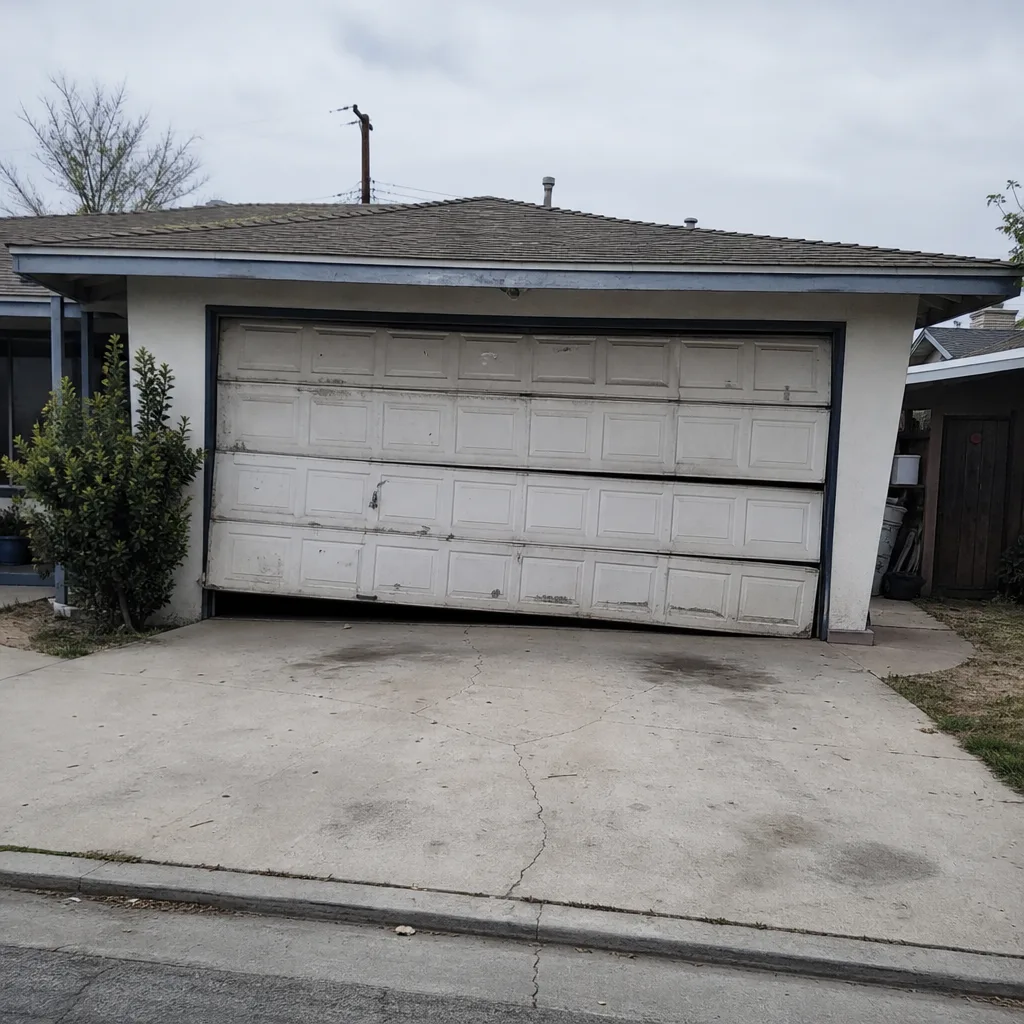 Before
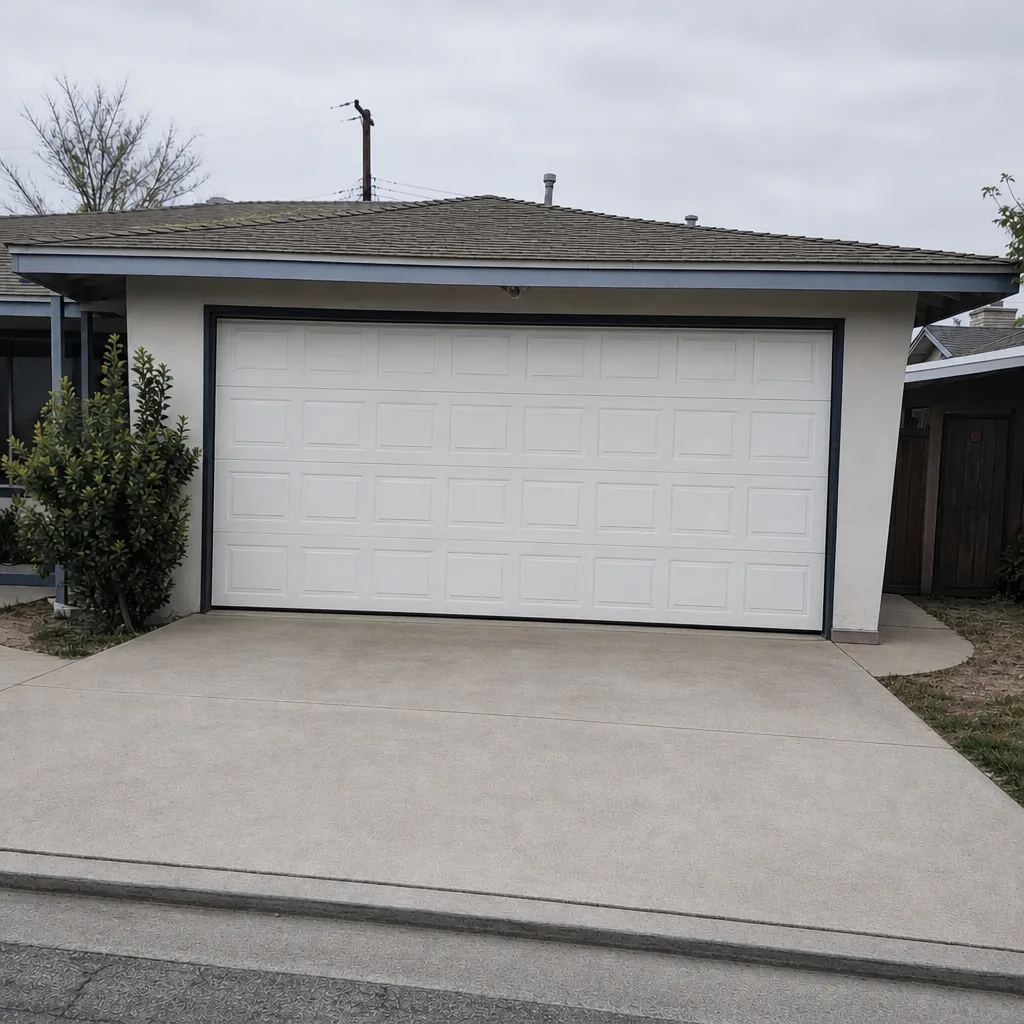 After
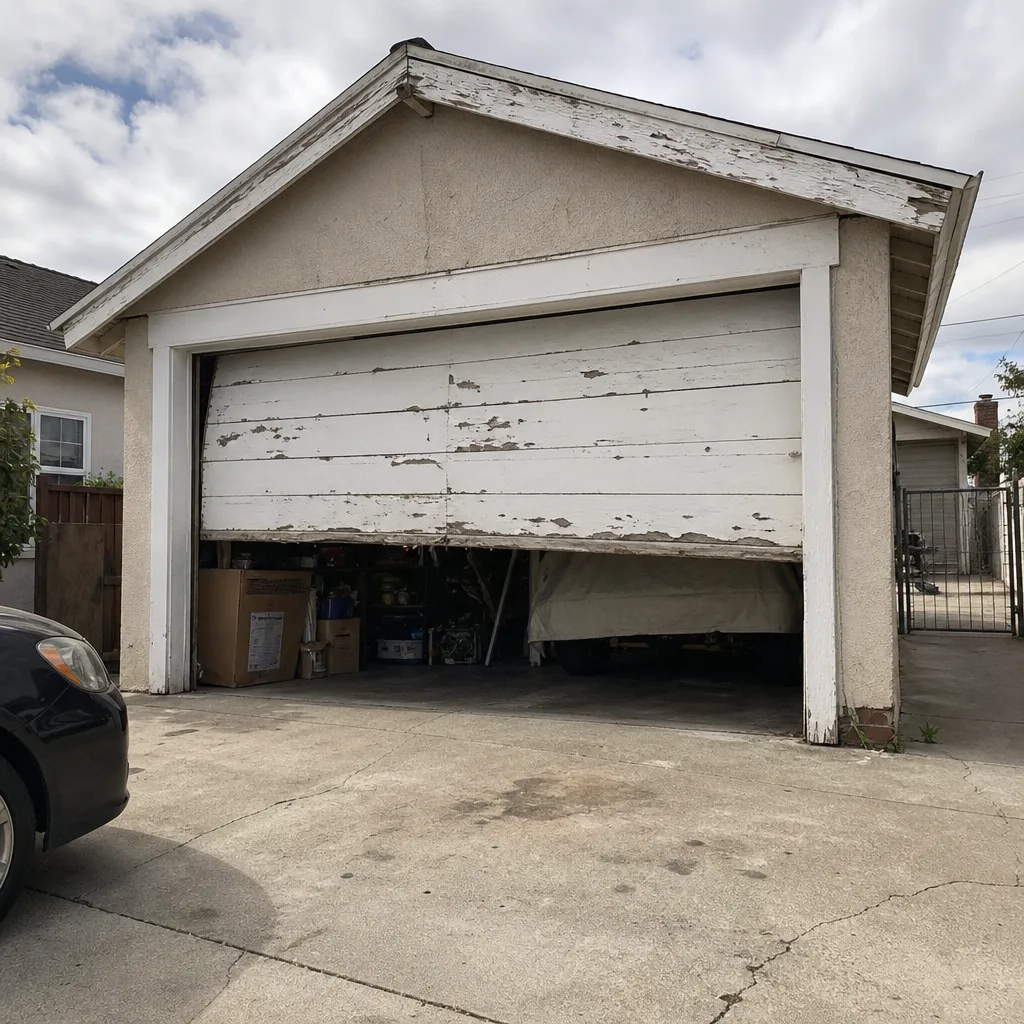 Before
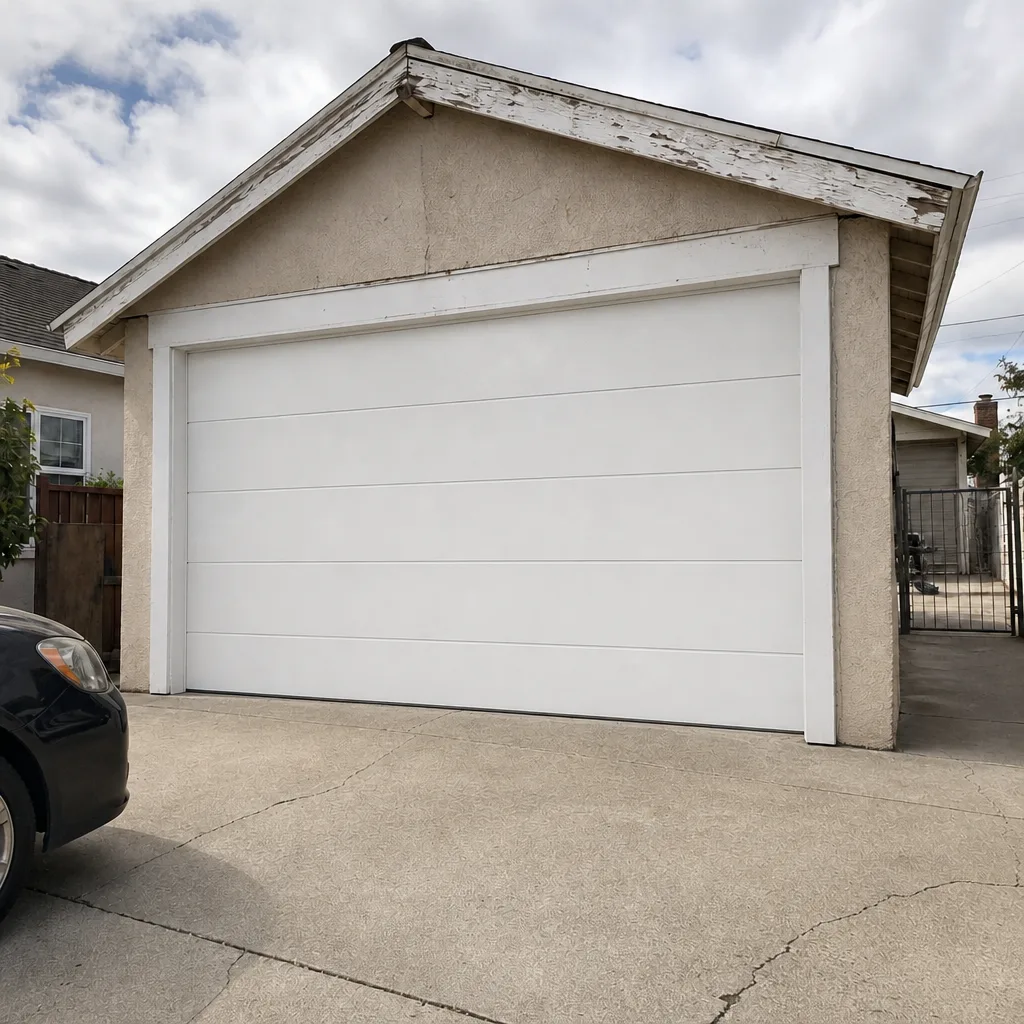 After
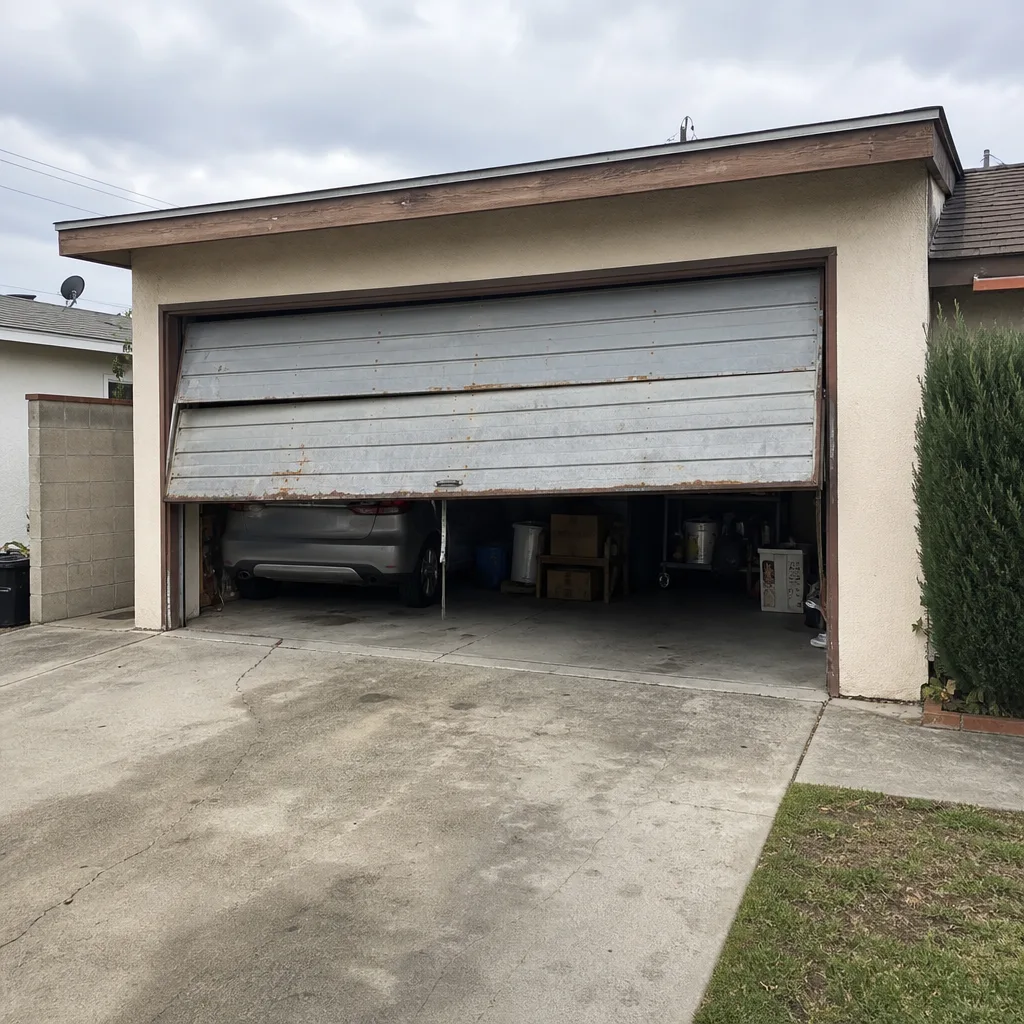 Before
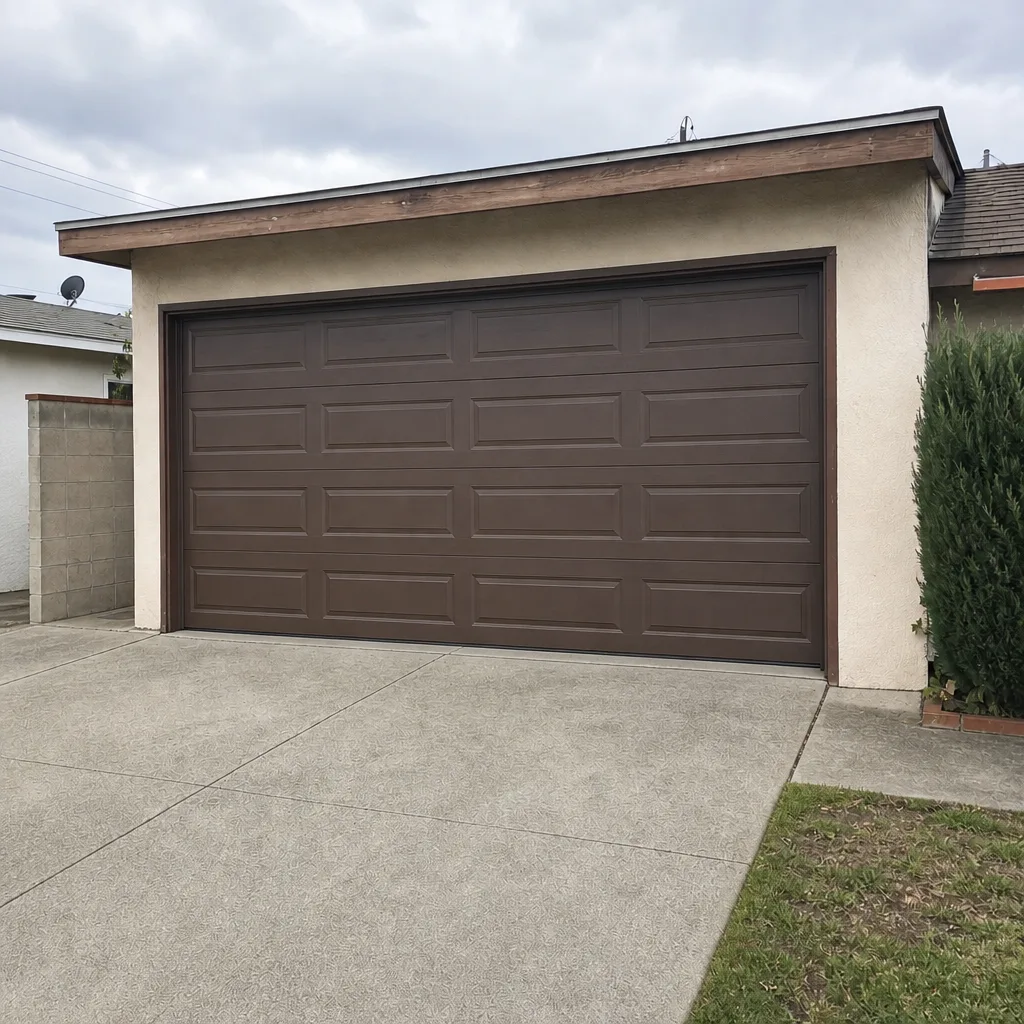 After