
Last updated November 4, 2026
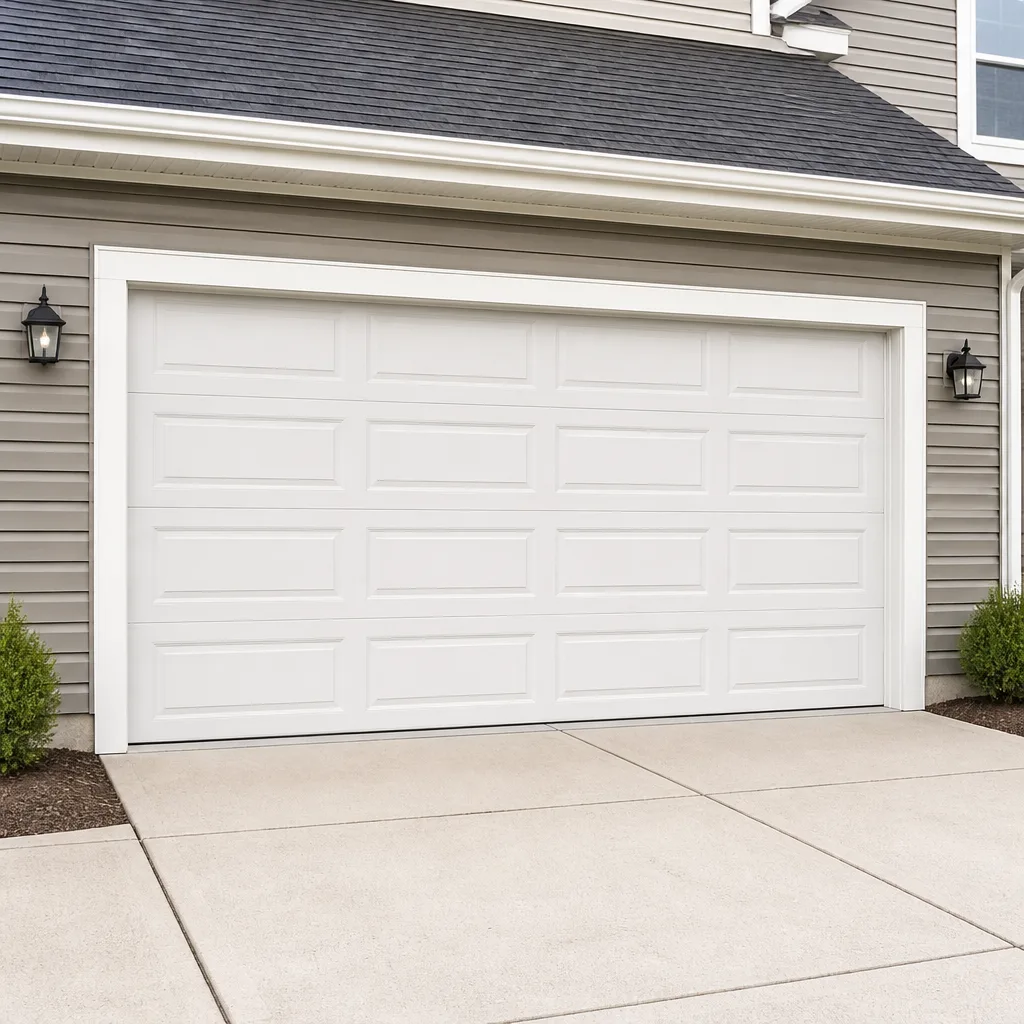 Raised-panel steel
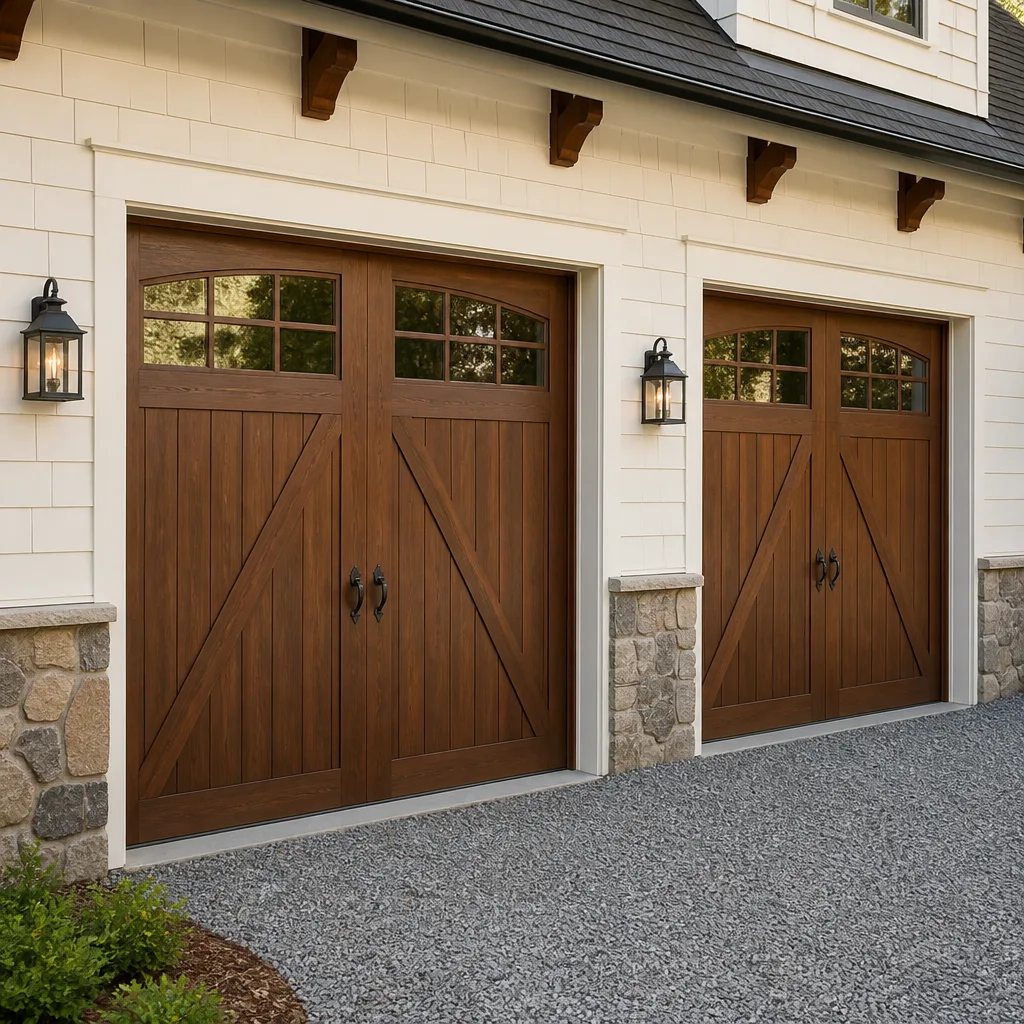 Carriage house
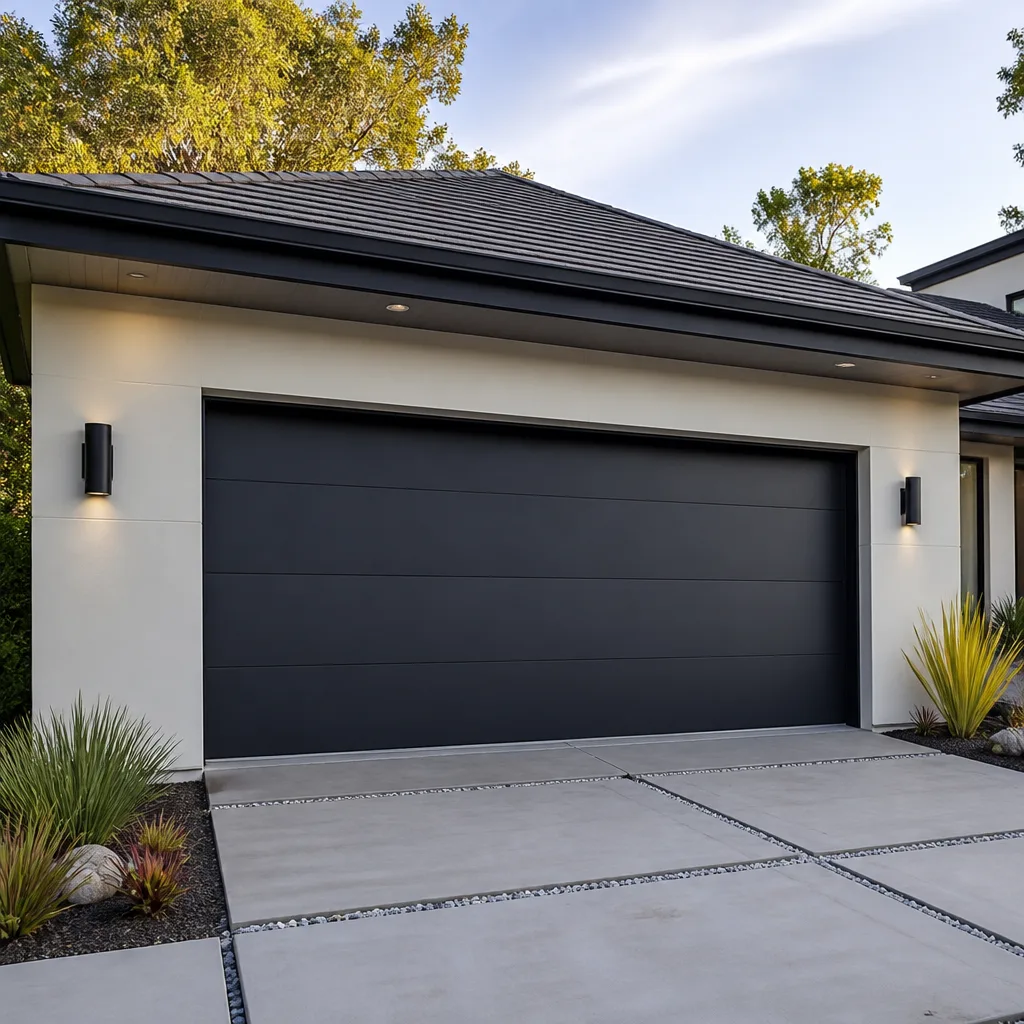 Modern flush
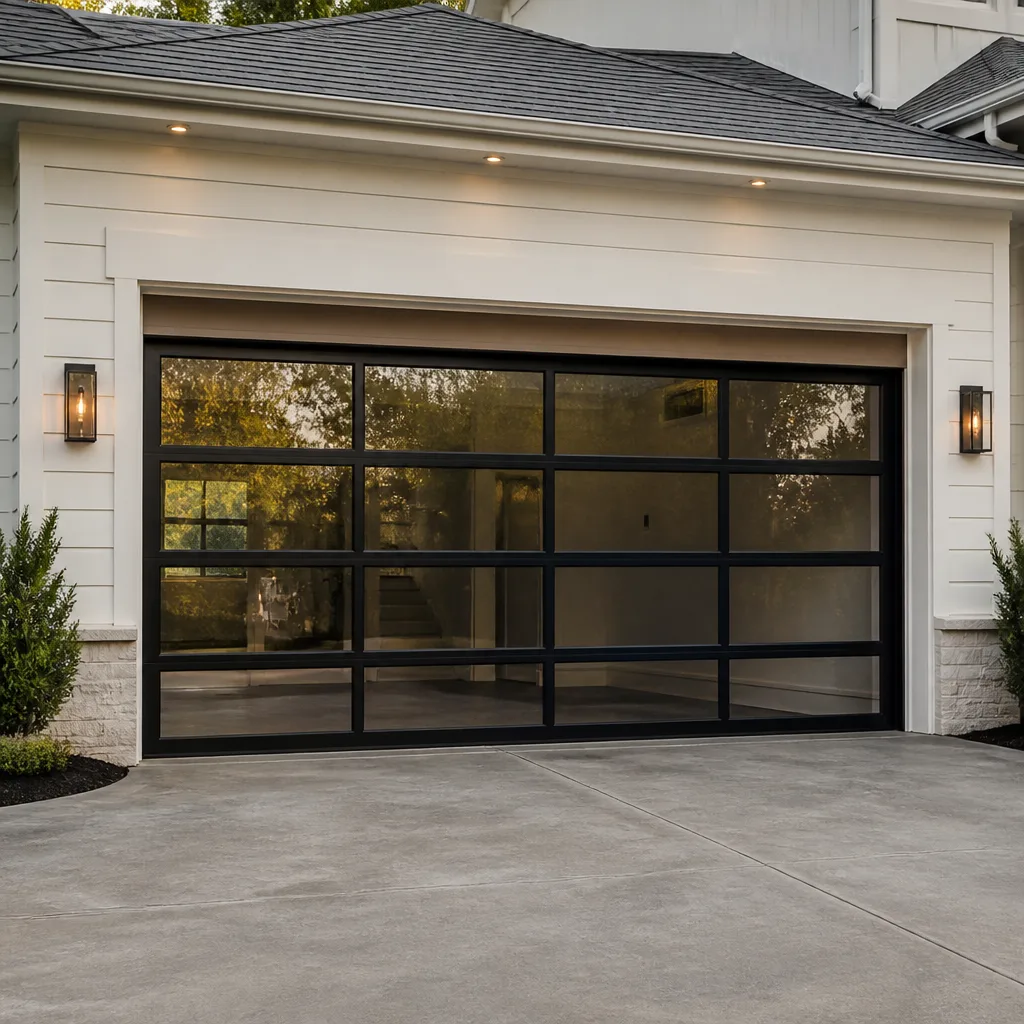 Full-view glass
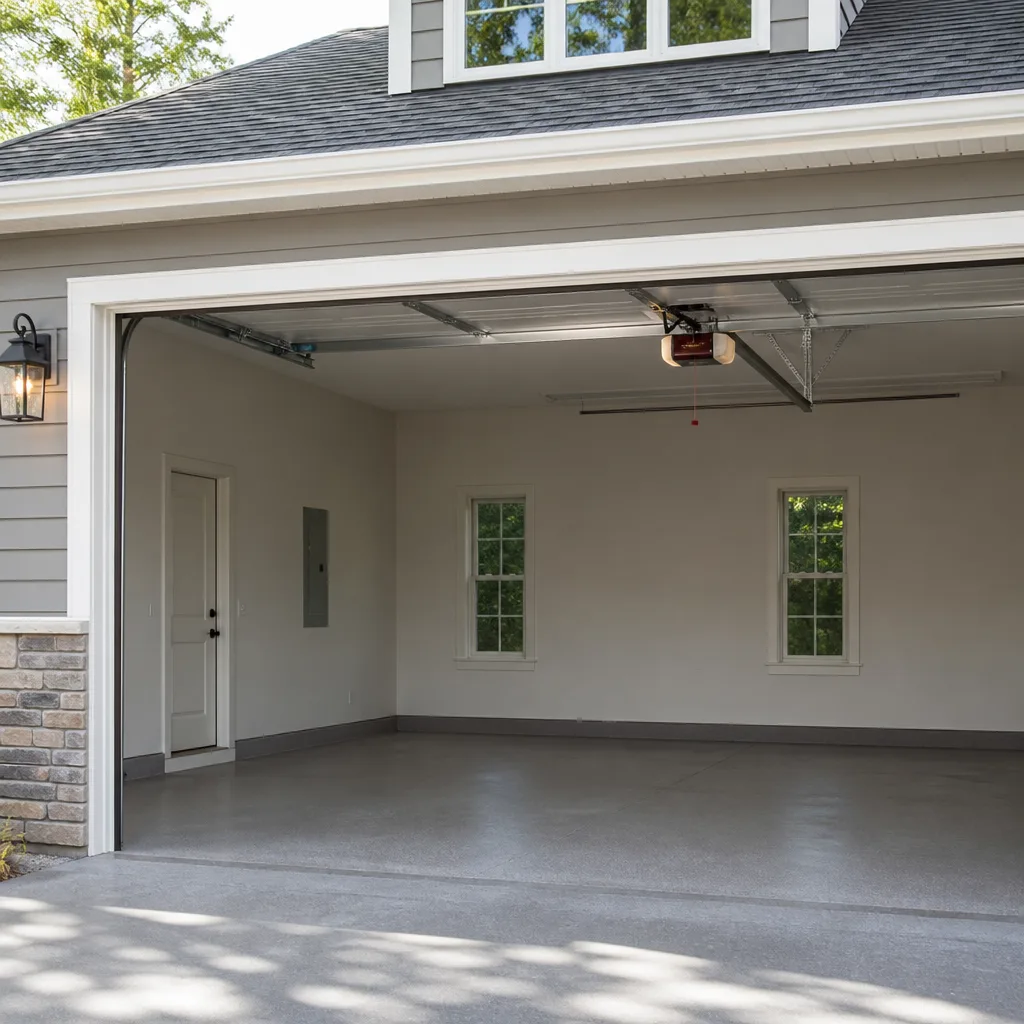 LiftMaster openers
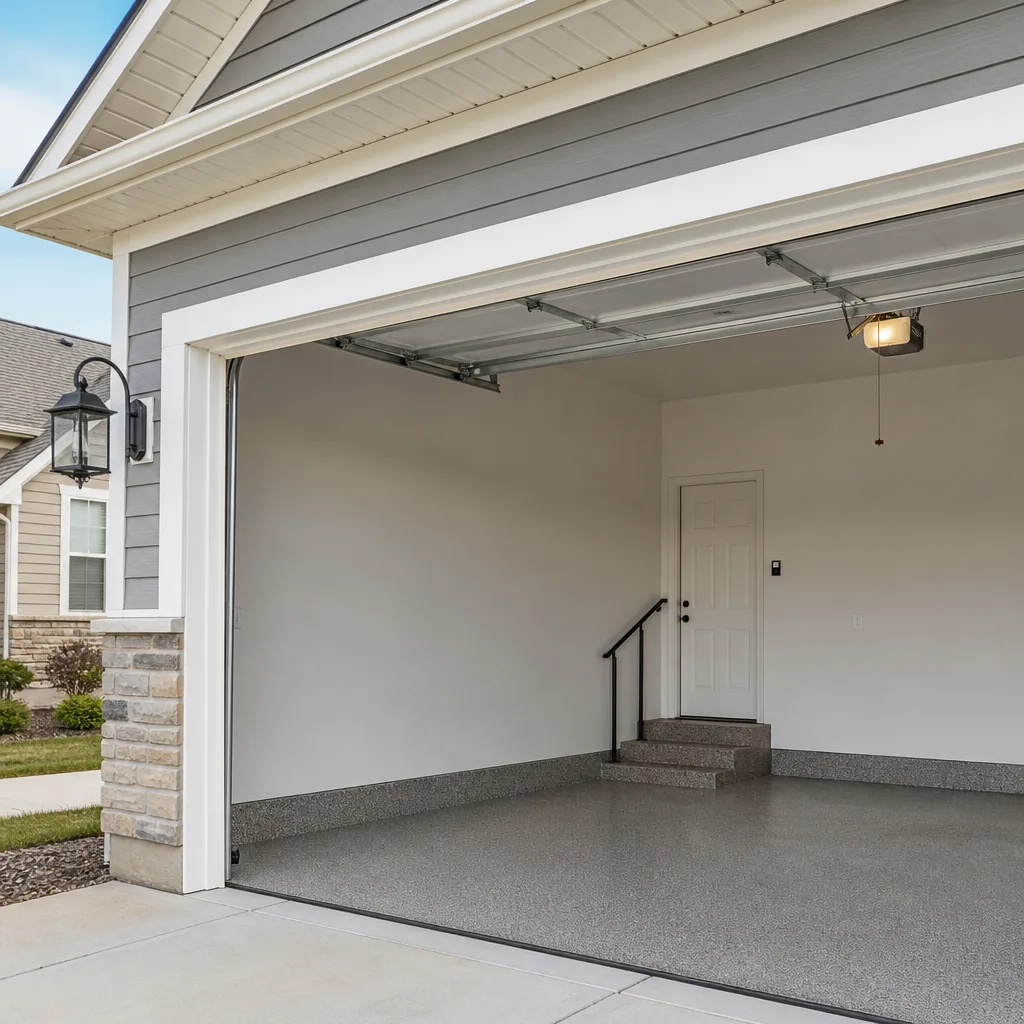 Chamberlain openers
Full 25-point door and opener safety check with every visit - springs, cables, rollers, tracks, and your LiftMaster or Chamberlain opener included
You get a price before we start. It does not change when the truck arrives.
Get your free estimateGarage Door Repair Troubleshooting in Bellflower: Common Problems and How to Fix Them
A garage door that reverses before closing all the way is almost never a sensor problem, yet that is the first thing most Bellflower homeowners replace. Chasing the wrong part costs time and money, and it leaves the actual fault in place to get worse. This guide teaches you to read the whole door system rather than reacting to the most obvious symptom. You will learn how to separate opener faults from spring faults and track problems, which sounds point to which failures, and which checks are safe to do yourself before you pick up the phone.
Quick Answer
Garage door troubleshooting starts with one simple test: pull the emergency release and run the door by hand. If it is heavy, hard to lift, or drops, the problem is the springs or tracks, not the opener. If it moves smoothly by hand, the problem is in the opener, sensors, or limit settings. Most garage door repair calls in Bellflower are solved faster when the homeowner can describe what the door does by hand versus what it does on the motor.
Styles & brands we work with
- Raised-panel steel
- Carriage house
- Modern flush
- Full-view glass
- LiftMaster openers
- Chamberlain openers
Table of Contents
- Read the Whole Door, Not Just the Symptom
- The Manual Operation Test That Separates Opener Faults from Spring Faults
- What Each Sound Means: Grinding, Popping, and Squealing
- Photo-Eye Sensors: How to Rule Them Out in 60 Seconds
- Safe DIY Fixes vs. Work That Needs a Technician
- Bellflower Conditions That Affect Door Hardware
- Symptom-to-Cause Reference for Bellflower Homes
- Common Mistakes to Avoid
- When to Call a Professional
- Frequently Asked Questions
Read the Whole Door, Not Just the Symptom
Most troubleshooting guides start with the part that is making noise or moving wrong. That approach fails because a garage door is a system, and the part you notice is often reacting to a problem somewhere else. A door that shudders on the way up might have a failing roller, or it might have an opener rail that has pulled out of alignment after years of vibration. A door that stops halfway could have a worn spring, but it could also have a limit setting that drifted after a power flicker.
In Bellflower, where many homes were built in the 1950s and 1960s, we see doors that have outlasted two or three openers. The original hardware is often still in place, and it behaves differently than newer equipment. The way to diagnose accurately is to observe the whole door for a full cycle: watch both sides, listen to the start and stop, and check whether the door stays square in the opening. A door that is out of level puts uneven load on every component, from the rollers to the opener gears.
Our team at Colonial Garage Door Repair works on virtually every major brand, including LiftMaster, Chamberlain, and Genie, which matters because each system fails in predictable ways. When we know the brand and model, we know where to look first. But the fastest diagnostic is still the one you can do yourself before anyone arrives.
The Manual Operation Test That Separates Opener Faults from Spring Faults
This is the single most useful diagnostic you can perform, and it takes less than two minutes. The goal is to find out whether the door itself is balanced, or whether the opener is fighting a door it should be able to lift easily.
- Close the door fully. Disconnect the opener by pulling the red emergency release cord. This cord hangs from the opener rail, usually near the front of the garage.
- Lift the door by the handle or bottom edge. A properly balanced door should lift smoothly with one hand and stay in place about waist height when you let go.
- Observe what happens. If the door is heavy, slams down, or will not stay up, the extension or torsion springs are no longer counterbalancing the weight. That is a spring problem, not an opener problem.
- Move the door halfway and listen. If you hear grinding or feel resistance that is not from the springs, the rollers or track may be the issue.
- Reconnect the opener. Pull the release cord again and run the opener until it re-engages. Make sure you do this from the ground, never from a ladder under the door.
If the door moves smoothly by hand but struggles on the opener, the problem is in the motor, the drive system, or the travel limits. That points to garage door opener repair rather than door hardware. This one test prevents the most common misdiagnosis in Bellflower garages: replacing a sensor or a remote control battery when the real problem is a spring that has lost tension.
What Each Sound Means: Grinding, Popping, and Squealing
Garage doors talk. The sound they make tells you more than any visual inspection, and each failure type has a signature.
Grinding or rasping
A grinding sound during operation usually points to the opener’s drive gear, especially on older Chamberlain and LiftMaster units with plastic gears. Over years of heat cycling in Bellflower garages, which routinely exceed 100 degrees in summer, plastic gears become brittle and start to shed teeth. The sound is a mechanical rasp that gets worse over weeks. If the grinding is coming from the track rather than the opener head, check the rollers: a roller with a worn bearing grinds instead of spinning.
Popping or snapping
A single loud pop is typically a spring breaking. Torsion springs are under enormous tension, and when they fail they release that energy suddenly. You may hear what sounds like a gunshot from the garage, followed by the door refusing to open more than a few inches. A series of small pops during travel often means a spring is cracked but not yet separated, or that a cable is slipping on the drum. Do not operate a door after a loud snap. We answer phones 24/7, and a broken spring is a job for a trained technician, not a DIY repair.
Squealing or squeaking
A high-pitched squeal during movement is usually the rollers, hinges, or the opener rail. On Genie and LiftMaster belt or chain drives, a dry rail creates a squeal that sounds like it is coming from the motor because the sound travels down the rail. Lubrication often solves this, but only with the right product. Use a garage-door-specific lubricant on rollers, hinges, and the opener rail. Do not use WD-40, which displaces the heavier grease these parts need. In our experience, a door that squeals for a few seconds at start-up and then quiets down usually has a dry bearing in an end roller.
Photo-Eye Sensors: How to Rule Them Out in 60 Seconds
Photo-eye sensors are the most frequently misdiagnosed component on a garage door. They sit near the floor on each side of the door opening, and their job is to stop the door if something crosses the beam while the door is closing. If the beam is interrupted or misaligned, the opener thinks something is in the way and refuses to close, or reverses mid-close.
Here is the 60-second test:
- Check the indicator lights. Each sensor has a small LED. On most LiftMaster, Chamberlain, and Genie openers, both lights should be solid. One solid and one blinking means the sensors are not aligned or the beam is blocked.
- Clear the path. Move anything within a foot of the sensors, including brooms, bikes, and boxes. In Bellflower garages, which double as storage for many households, this is a common cause.
- Eyeball the alignment. Crouch down and sight along the sensor bodies. The two lenses should face each other directly. A bump from a car bumper or a child’s bike can knock one out of line by half an inch, which is enough to break the beam.
- Wipe the lenses. Dust and spider webs can block the beam. A dry cloth takes care of it in seconds.
- Test the door. Hold the wall button, not the remote. If the door closes and stays closed, the sensors were the issue. If it still reverses, the problem is elsewhere, usually the limit settings or the force adjustment.
A door that reverses only at the bottom of its travel, every time, is often a limit-setting problem, not a sensor problem. The door thinks the floor is higher than it is, and it reverses because it thinks it hit an obstruction. That is an opener adjustment, and it is one of the safe DIY fixes in the right circumstances, though we recommend calling a technician if you are not comfortable with the settings. Call (833) 598-2561 and we can walk through it or schedule a visit.
Safe DIY Fixes vs. Work That Needs a Technician
There is a clear line between what a homeowner can safely handle and what requires a trained professional. Crossing that line is how people get hurt and how warranties get voided.
Safe to do yourself
- Lubrication. Applying a garage-door lubricant to rollers, hinges, springs, and the opener rail. This is a maintenance task, not a repair, but it resolves many squealing complaints in Bellflower where heat dries out moving parts.
- Sensor alignment. The 60-second test above is perfectly safe. Adjusting the sensor brackets with a screwdriver is also fine.
- Limit adjustments. On most LiftMaster, Chamberlain, and Genie openers, the travel limits are adjusted with a simple dial or button sequence on the opener head. If you have the manual, this is a manageable job. If you do not have the manual, look up the model number before you touch anything.
- Remote control batteries and reprogramming. Dead batteries are the second most common reason a remote stops working, after a locked wall button. Reprogramming is straightforward with the owner’s manual.
Do not do this yourself
- Torsion spring replacement. Torsion springs are wound under extreme tension. A slip can cause serious injury or death. This is the single most dangerous repair in residential garage door work, and no homeowner should attempt it.
- Cable replacement. The lift cables run alongside the springs and carry the same tension. A frayed cable can snap without warning.
- Track realignment with the door under load. If the door is out of square or the track is visibly bent, the weight of the door is what you are fighting, and that is not a safe fight.
- Opener gear replacement. On Chamberlain and LiftMaster units with stripped gears, the repair requires disassembling the opener head. It is not dangerous in the same way springs are, but it is easy to damage the motor or the logic board.
In Bellflower, where many garage doors are original to mid-century homes, we see a lot of hardware that has been patched by previous owners. A cable that has been spliced or a spring that has been “adjusted” with improvised tools is a hazard waiting to fail. Our technicians replace the whole wear assembly when needed, not just the visible break, because the other side is usually not far behind.
Bellflower Conditions That Affect Door Hardware
Bellflower has a climate that is gentle by national standards, but it is not neutral on garage door hardware. Summers bring sustained heat, with garage interiors regularly climbing well above outside temperatures because of direct sun on the roof and the door panel. That heat has two effects: it accelerates the drying of lubricants, and it causes metal components to expand.
Heat expansion is a real factor on doors that already run close to their limits. A door that opens fine in the morning but groans or stalls in the late afternoon may be binding because the track has expanded and the gap between rail and roller has narrowed. We see this more in Bellflower’s older neighborhoods near the 91 Freeway, where homes sit on post-war slabs and garages get full afternoon sun. The fix is often a track adjustment that adds clearance, not a new opener.
Humidity also plays a role, especially in late summer and during the Santa Ana season when mornings are damp. Metal rollers with steel bearings rust, and hinges that have lost their coating begin to seize. A seized hinge forces the door to flex, and a flexing door wears out rollers and cables faster. Lubrication with a product designed for high-heat, high-dust conditions helps, but when a hinge is already rusted through, replacement is the only real fix.
One more Bellflower-specific note: many garages here are used as workshops or storage, which means the door operates more often than it would in a purely residential setting. More cycles per day means faster wear on everything, especially the opener drive and the spring coils. A spring rated for 10,000 cycles will last a decade in a typical garage but half that in a garage that opens six or eight times a day.
Symptom-to-Cause Reference for Bellflower Homes
This table matches the most common complaints we hear from Bellflower homeowners to the systems that usually cause them. Use it as a starting point, not a final diagnosis.
- Door reverses at the bottom of travel, every time. Usually a travel limit set too low, not a sensor fault. On old Chamberlain and LiftMaster units, the limit switch wears and drifts. Adjust or replace the limit.
- Door opens a few inches and stops. A broken spring, a broken cable, or a bent track. Pull the release and try to lift by hand. If it is heavy, it is springs or cables.
- Door makes a loud bang when opening. A broken torsion spring. Stop using the door. Call for repair.
- Door runs slowly. Worn rollers, dry tracks, or an opener drive that is nearing the end of its life. If manual operation is stiff, it is the door. If not, it is the opener.
- Door shudders or shakes on the way up. Worn rollers or a loose track. Check that the door stays square and the track bolts are tight.
- Opener runs but the door does not move. The emergency release has been pulled, or the drive gear has stripped. Reconnect the release first. If that fails, the gear is likely stripped.
- Remote works, wall button does not. A locked wall console or a loose wire. Check the lock button on the wall panel first. It is the most common cause we find.
- Door closes and immediately reopens. Photo-eye beam blocked, sensor misaligned, or a closing force setting that is too low. Run the 60-second sensor test, then check force settings.
Common Mistakes to Avoid
- Replacing the sensors before checking the limits. When a door reverses at the bottom, it is usually a limit issue. New sensors will not change that, and you will have spent money without solving the problem.
- Replacing the opener when the door itself is failing. A new motor cannot compensate for a broken spring or a seized hinge. Test the door by hand before you spend on a new opener.
- Using the wrong lubricant. WD-40 and similar sprays strip the heavier grease that garage door rollers and hinges need. The squeal may go away for a week and then return worse.
- Adjusting force settings to “fix” a heavy door. Crank up the force, and the opener will keep tugging on a door that is fighting itself. That is how gears strip and motors burn out.
- Ignoring a frayed cable. Cables fray slowly, then fail suddenly. If you see loose strands near the bottom bracket, that cable needs replacement before it lets go.
- Working on springs without training. We cannot say this strongly enough. Torsion springs store enough energy to kill. No amount of YouTube research makes this a safe DIY job.
- Expecting a 60-year-old door to perform like a new one. Bellflower has a lot of original mid-century doors. They can be repaired and kept in service, but their hardware needs more attention, not less. Shortcut fixes extend the problem, not the life.
When to Call a Professional
Call a technician when the door will not open or close safely, when you hear a snap or a bang, when a cable is frayed, or when the door is visibly out of level. These are not maintenance items. They are failures that will get worse, and in the case of springs and cables, they are dangerous to work around without training and proper tools.
You should also call when you have done the safe checks and the problem persists. A door that reverses despite aligned sensors and correct limits has an underlying fault that belongs in the hands of someone who sees these doors every day. Colonial Garage Door Repair offers free estimates in Bellflower. Call (833) 598-2561. We answer 24/7. Fast dispatch from 7am to 7pm, Sunday through Friday. The price is quoted and agreed before any work starts.
Frequently Asked Questions
Repair costs in Bellflower vary by the part and the brand. A simple sensor realignment or lubrication call is at the low end, while a torsion spring replacement is higher because it involves components under tension and should be done in matched pairs. We provide a written estimate before any work begins, so the price is set and agreed in advance. Call (833) 598-2561 for a free estimate.
Yes, same-day service is available for most repair calls in Bellflower. We answer 24/7 and dispatch technicians from 7am to 7pm, Sunday through Friday. Call (833) 598-2561 and we will book you into the next available opening.
Not usually. The travel limit setting is the more common cause, especially on older Chamberlain and LiftMaster openers. Run the 60-second sensor test first: check the indicator lights, alignment, and lens cleanliness. If the sensors are fine, the limit switch is the likely culprit, and that is a repair we handle regularly.
We service LiftMaster, Chamberlain, Genie, and Raynor openers, along with door hardware from Clopay, Amarr, Wayne Dalton, and Craftsman systems. If you do not know the brand, that is fine. We can identify it on site and work from there.
No. The written estimate is the price you agree to before work starts. If we find an additional issue during the repair, we stop and discuss it with you before doing anything else. There are no surprise charges at the end.
If the door is stuck open, it is usually safe to leave it that way for a short time, but it leaves your garage and any connected entry to your home exposed. If there is a connected door, lock it. If the door is stuck halfway up, that is more concerning because the springs are under partial load. Call (833) 598-2561 and we will get a technician to you as quickly as the schedule allows.
The Bottom Line
Garage door problems in Bellflower are usually diagnosed by reading the system, not just the symptom. The manual operation test separates opener faults from door hardware faults in under two minutes. The sounds a door makes point to specific failures, and the photo-eye sensors are the most over-blamed part in the garage. Safe DIY work includes lubrication, sensor alignment, and limit adjustments on newer units. Springs, cables, and track work under load belong in the hands of a trained technician. When in doubt, call (833) 598-2561. We answer 24/7. Fast dispatch from 7am to 7pm, Sunday through Friday.
Written by the team at Colonial Garage Door Repair, serving Bellflower since 2013.
See the difference
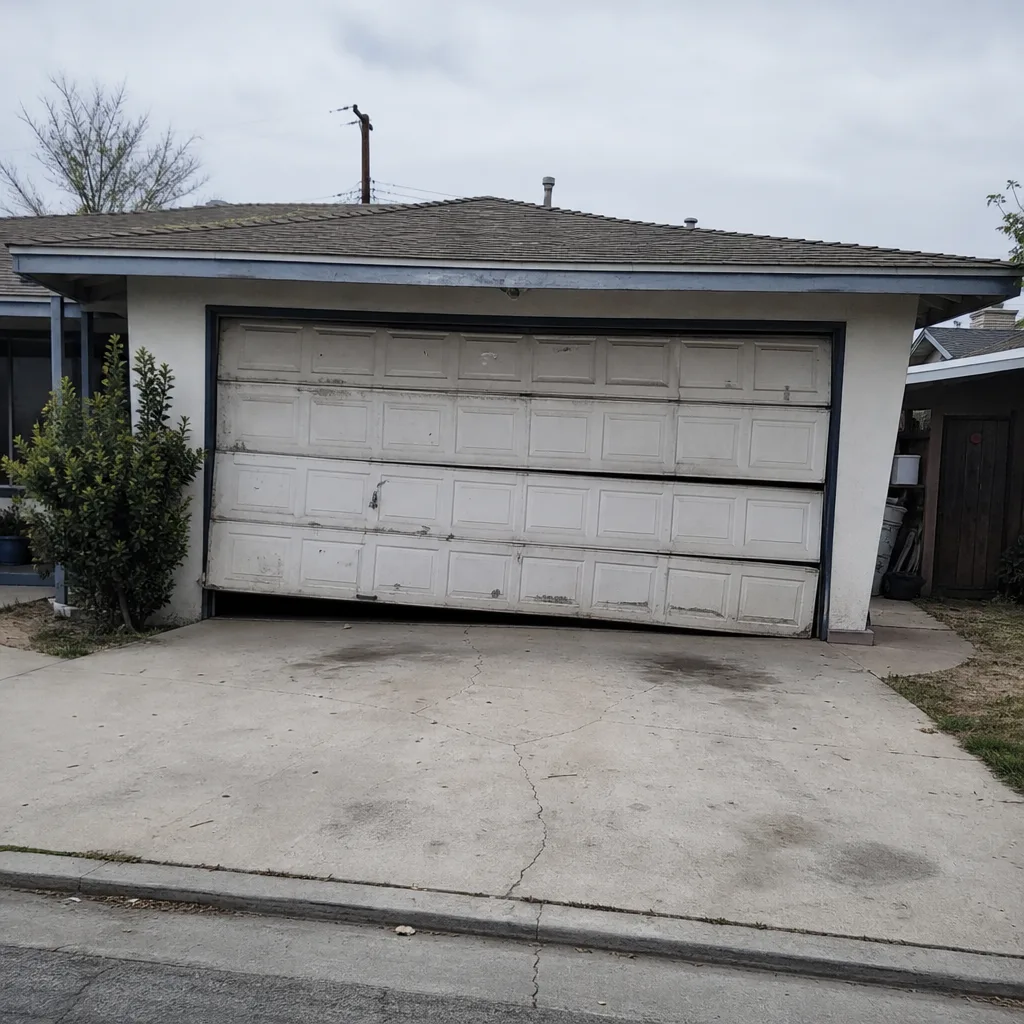 Before
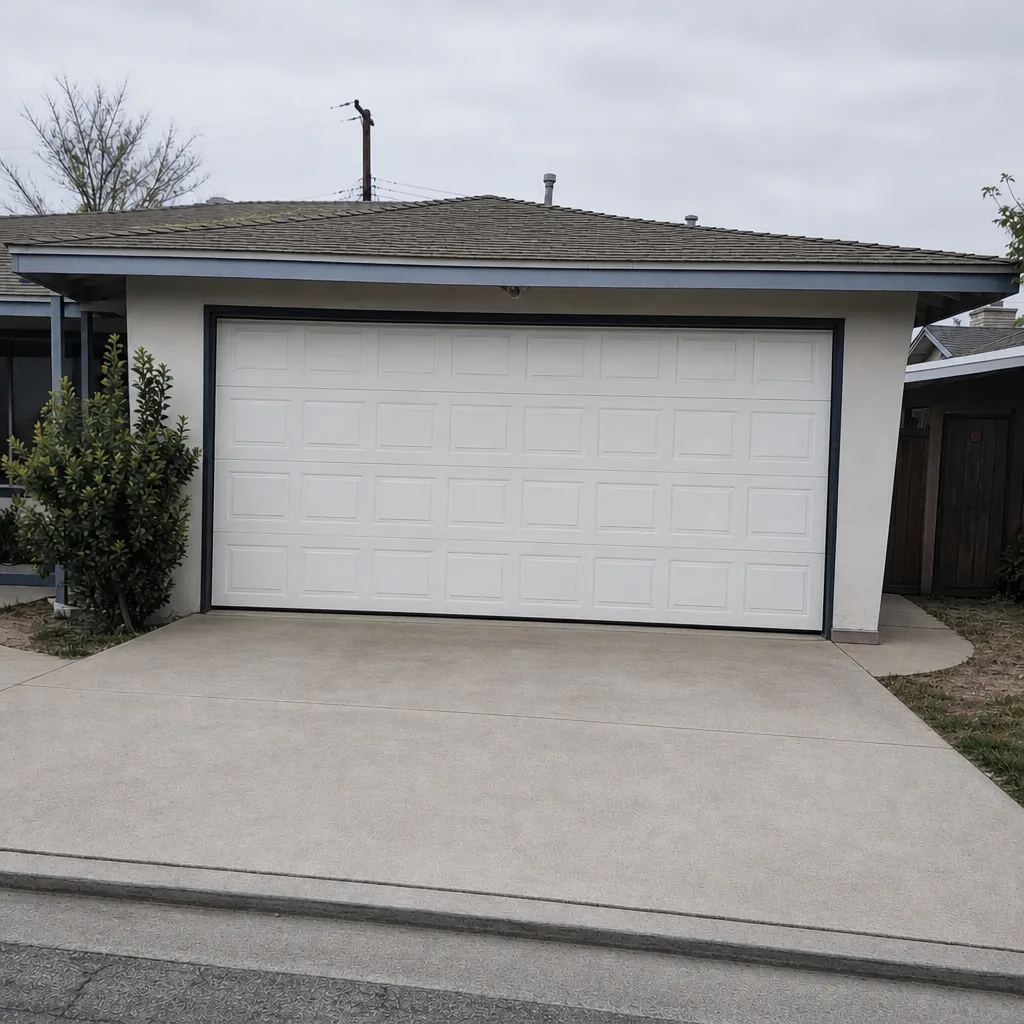 After
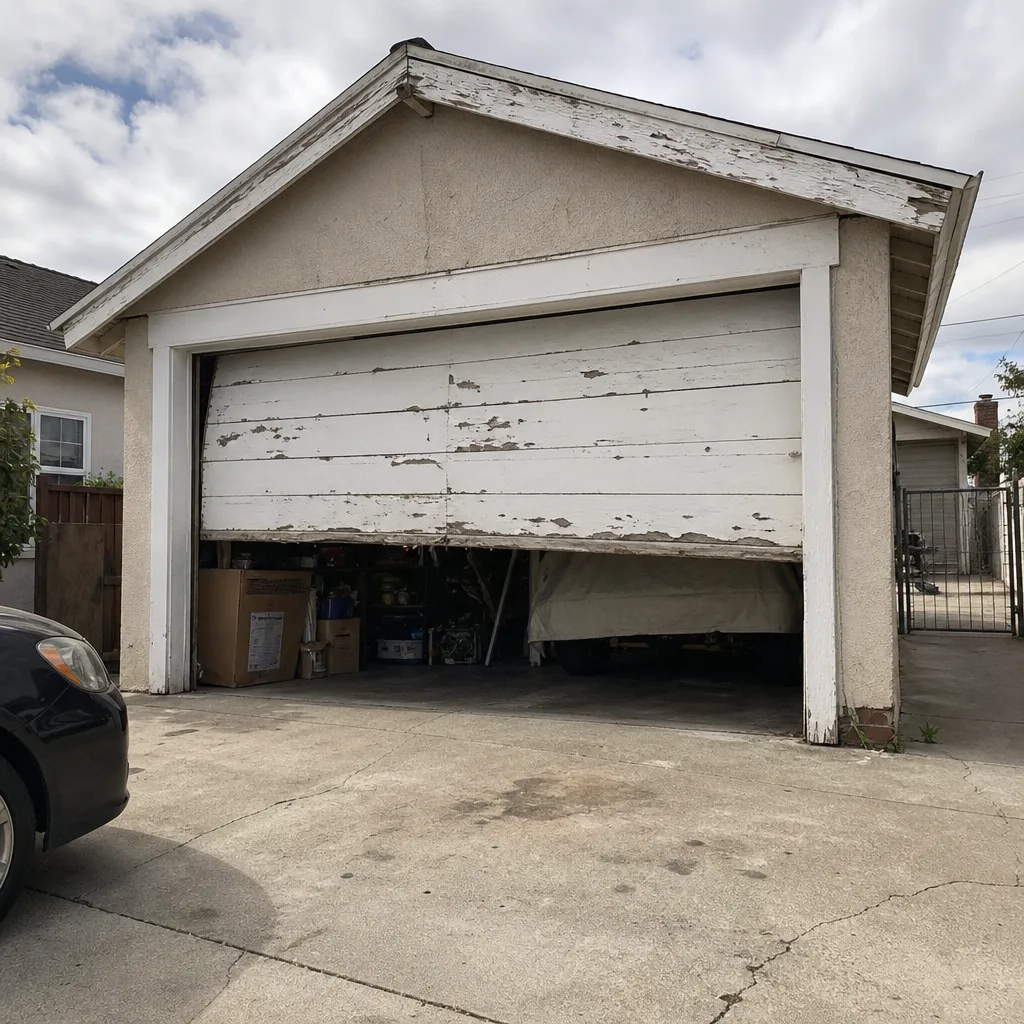 Before
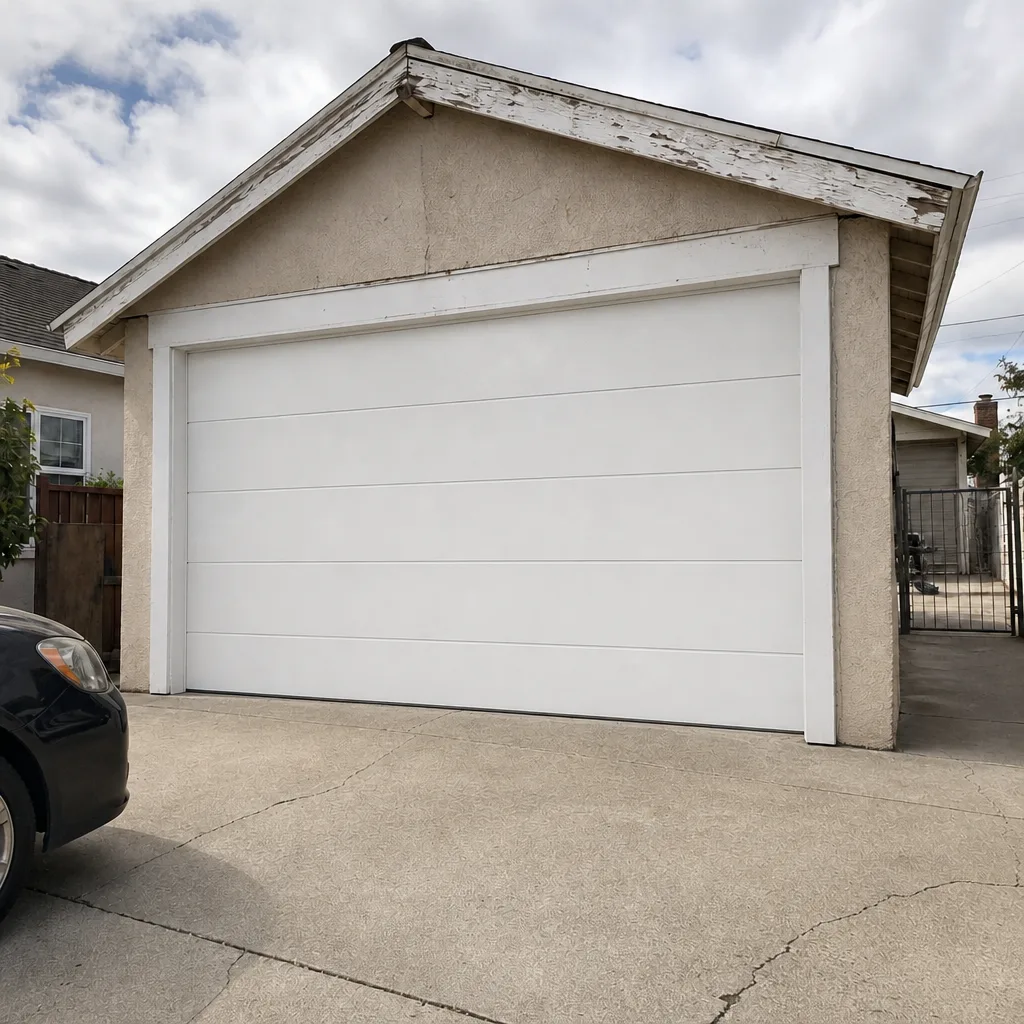 After
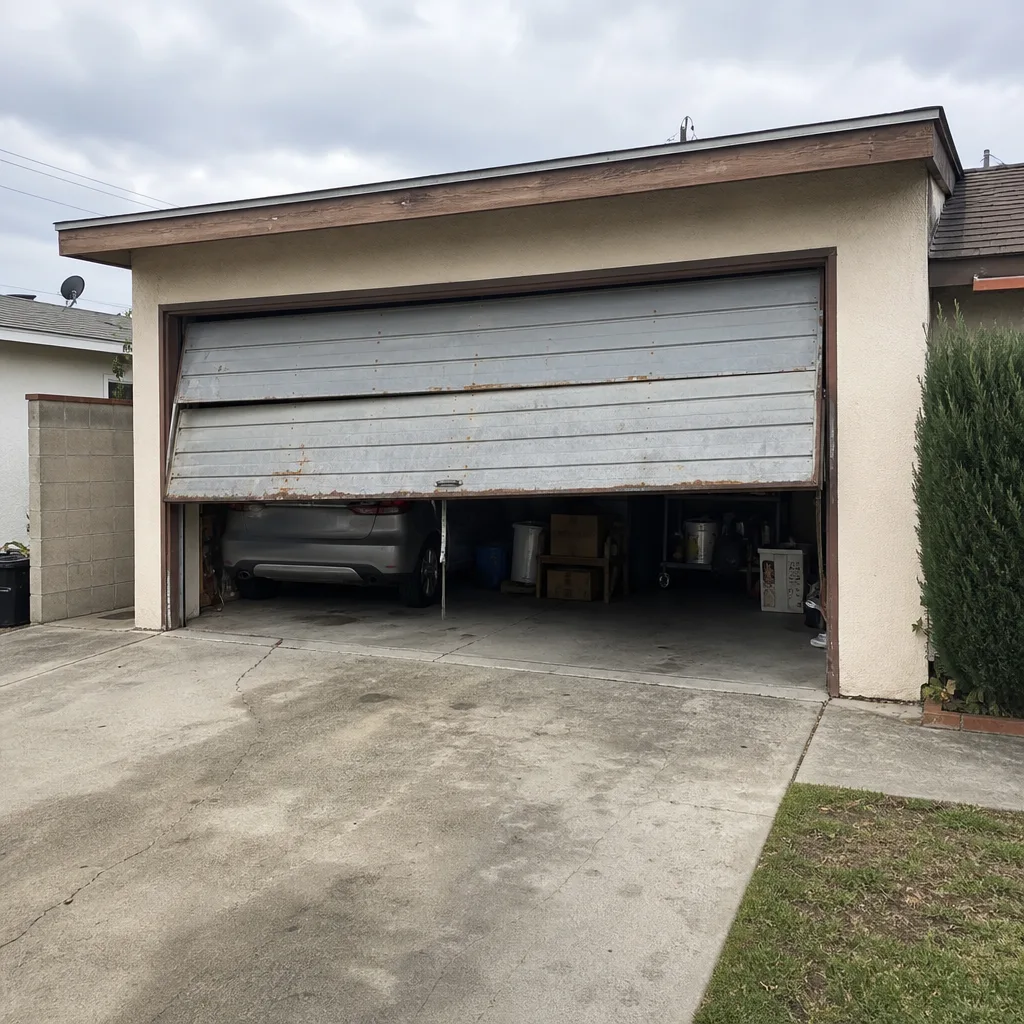 Before
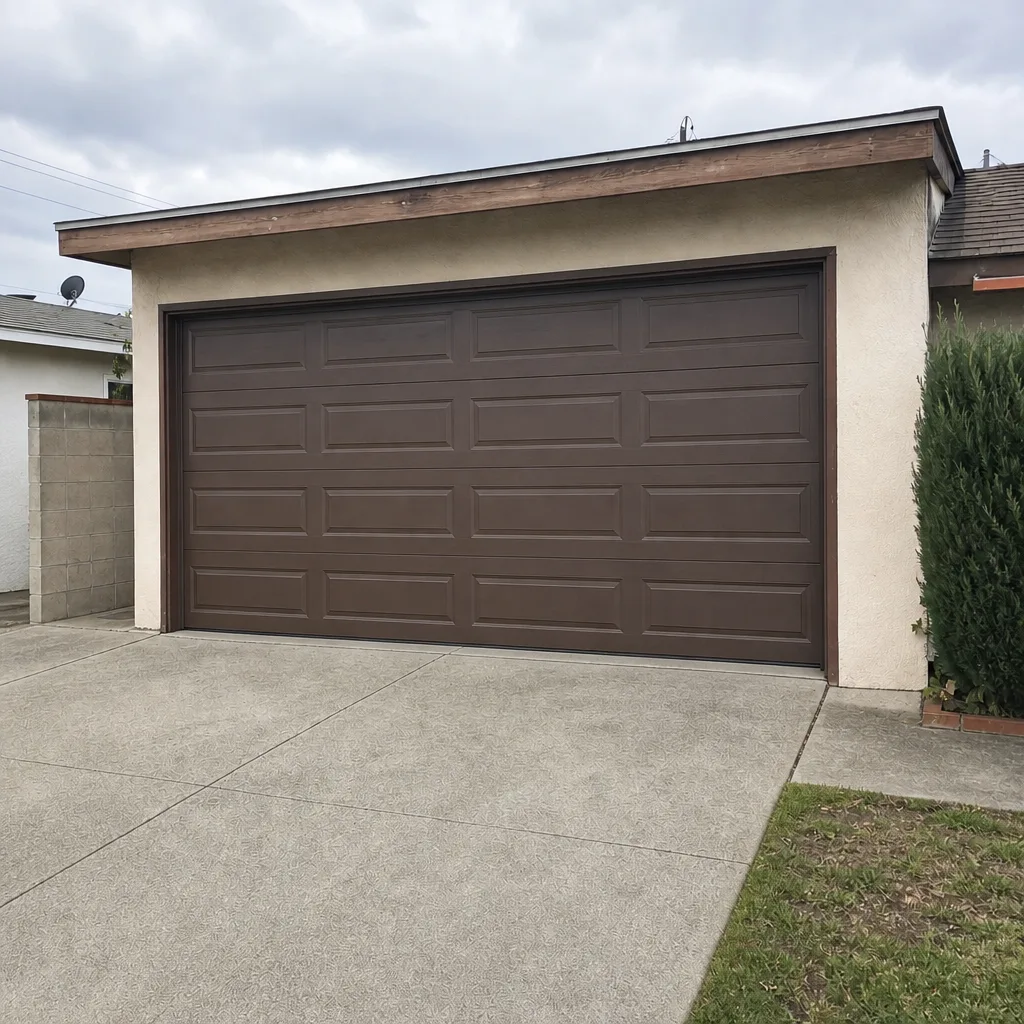 After